Strong jobs report sparks worst S&P 500 drop of 2026
Strong hiring helped sink stocks as traders bet the Federal Reserve may keep rates higher for longer. The S&P 500 fell more than 2.6 percent, its worst one-day drop of 2026.
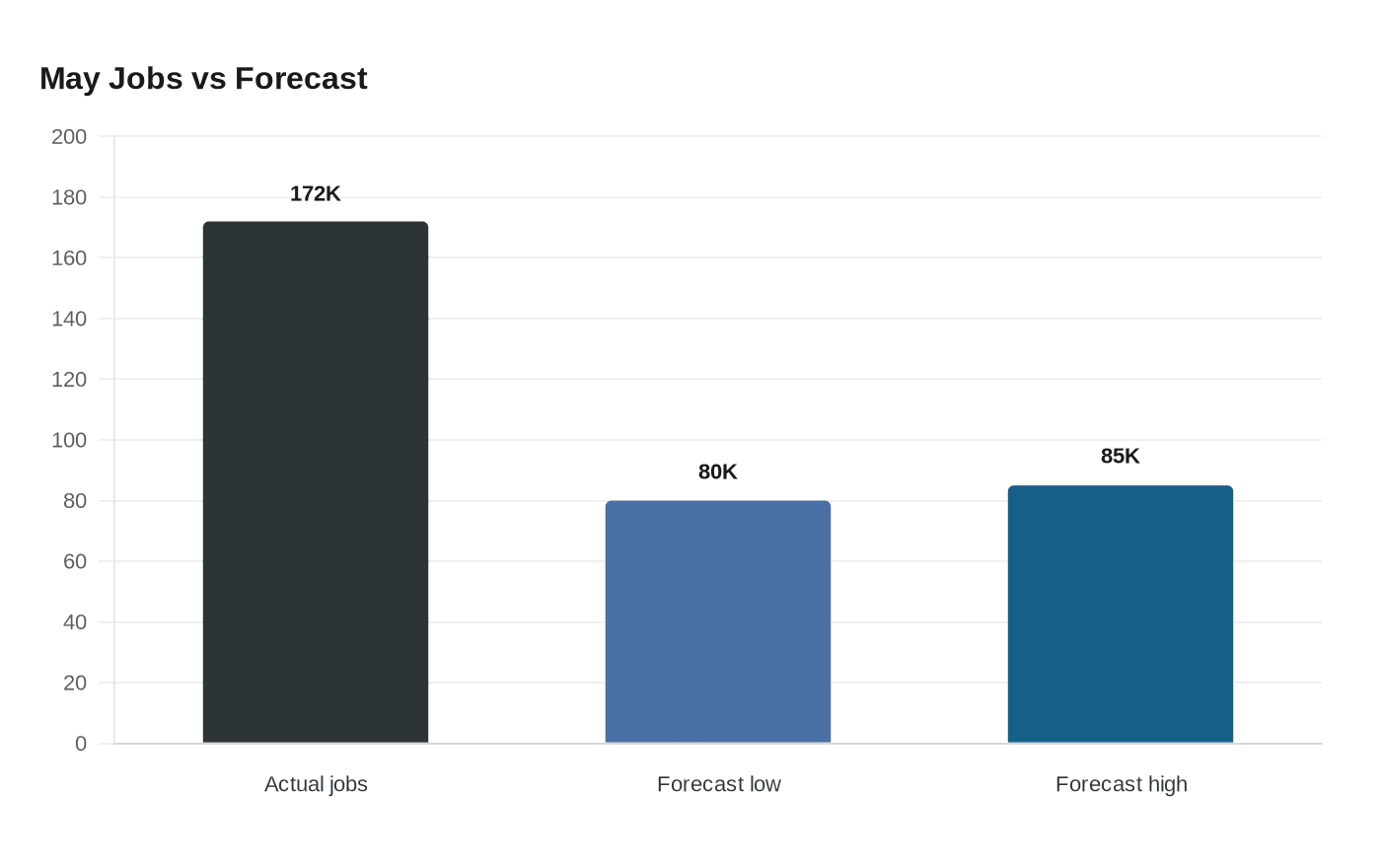
Strong hiring became bad news for Wall Street almost instantly. The S&P 500 fell more than 2.6 percent on Friday, its steepest one-day decline of 2026, after the U.S. Labor Department said employers added 172,000 jobs in May and the unemployment rate held at 4.3 percent. Investors had been looking for only about 80,000 to 85,000 jobs, so the labor-market surprise was enough to flip the market narrative from economic resilience to a longer stretch of tight policy.
The bond market reacted first. Two-year Treasury yields jumped as much as 13 basis points to 4.17 percent as traders rapidly scaled back expectations for Federal Reserve easing and fully priced in a rate hike by the end of 2026. Interest-rate swaps implied about a 60 percent chance of a move in October, a sharp reminder that strong growth data can revive fears that the central bank will need to keep borrowing costs elevated, or even raise them, later this year.
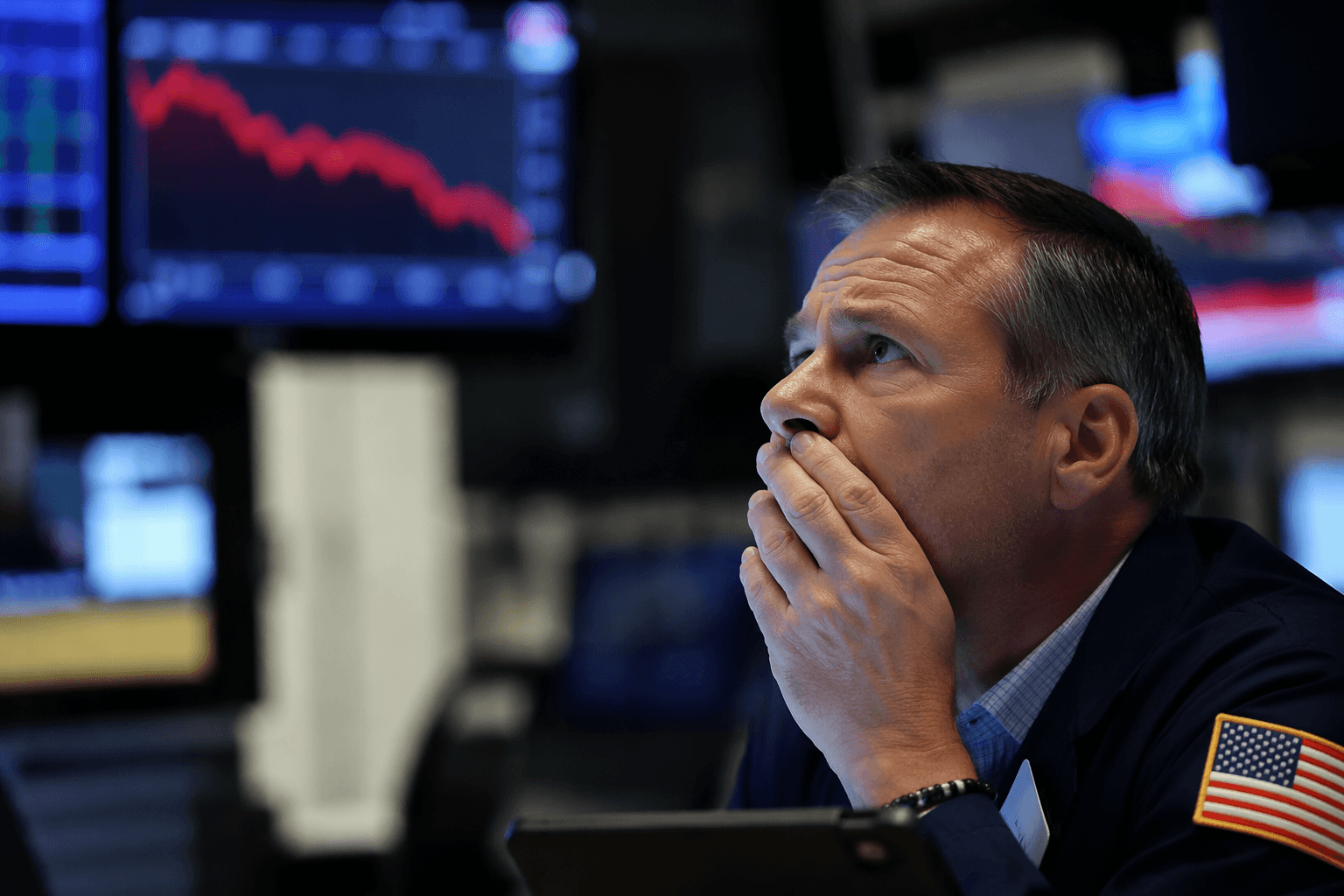
That shift hit equities across the board. The Dow fell nearly 700 points, while the Nasdaq and Russell 2000 also dropped sharply. Semiconductor shares led the retreat after Broadcom’s disappointing outlook on June 4 added to pressure on the AI trade, extending a broader selloff in chipmakers and other stocks tied to artificial intelligence. The market had been vulnerable: the S&P 500 had just posted its ninth straight weekly gain as of May 29, matching its longest winning streak from 2023, and it had spent much of the week near record highs before Friday’s reversal.
The selloff did not reflect economic weakness so much as evidence that the economy still has enough momentum to complicate the Fed’s next move. May payroll growth, steady unemployment and the jump in yields all pointed to a labor market that remains healthy, even as traders reassessed the odds of rate cuts. For now, the message from Friday’s trading was clear: good news on jobs can still be painful for stocks when it raises the prospect of higher rates for longer.
This article was produced by Prism’s automated news system from verified source data, official records, and press releases, then run through automated quality and moderation checks before publishing. The system is built and supervised by the people who set the standards it runs under. Read our full AI policy.
Know something we missed? Have a correction or additional information?
Submit a Tip