Study finds 1 in 4 adults use credit cards for groceries, fall behind
One in four working-age adults used credit cards for groceries and took on debt, as grocery prices stayed 24% above 2020 levels.

One in four working-age adults used credit cards to buy groceries and ended up carrying debt or missing minimum payments, a pattern that shows how basic food costs have pushed household budgets into the red. Urban Institute’s latest analysis places that strain in a market where grocery prices have climbed 24 percent since 2020 and were projected to rise another 3 percent in 2025.
The pressure is showing up in everyday spending. Urban’s December 2023 survey analysis found that 60.5 percent of adults used credit cards to buy groceries in 2023. Of those, 20 percent paid less than the full balance while always making the minimum required payment, and another 7.1 percent did not make the minimum payment at all. In Urban’s newer analysis, 1 in 4 adults paid for groceries with a credit card and took on debt by carrying a balance or missing minimum payments.
The burden is heavier for adults already struggling to eat enough. Among adults with very low food security, 21.5 percent paid less than the full credit card balance for groceries, and 24.7 percent did not make the minimum required payment. Urban’s earlier analysis found food insecurity rose from 20 percent in December 2021 to 24.6 percent in December 2022, with Hispanic/Latinx and Black adults facing higher rates than white adults.
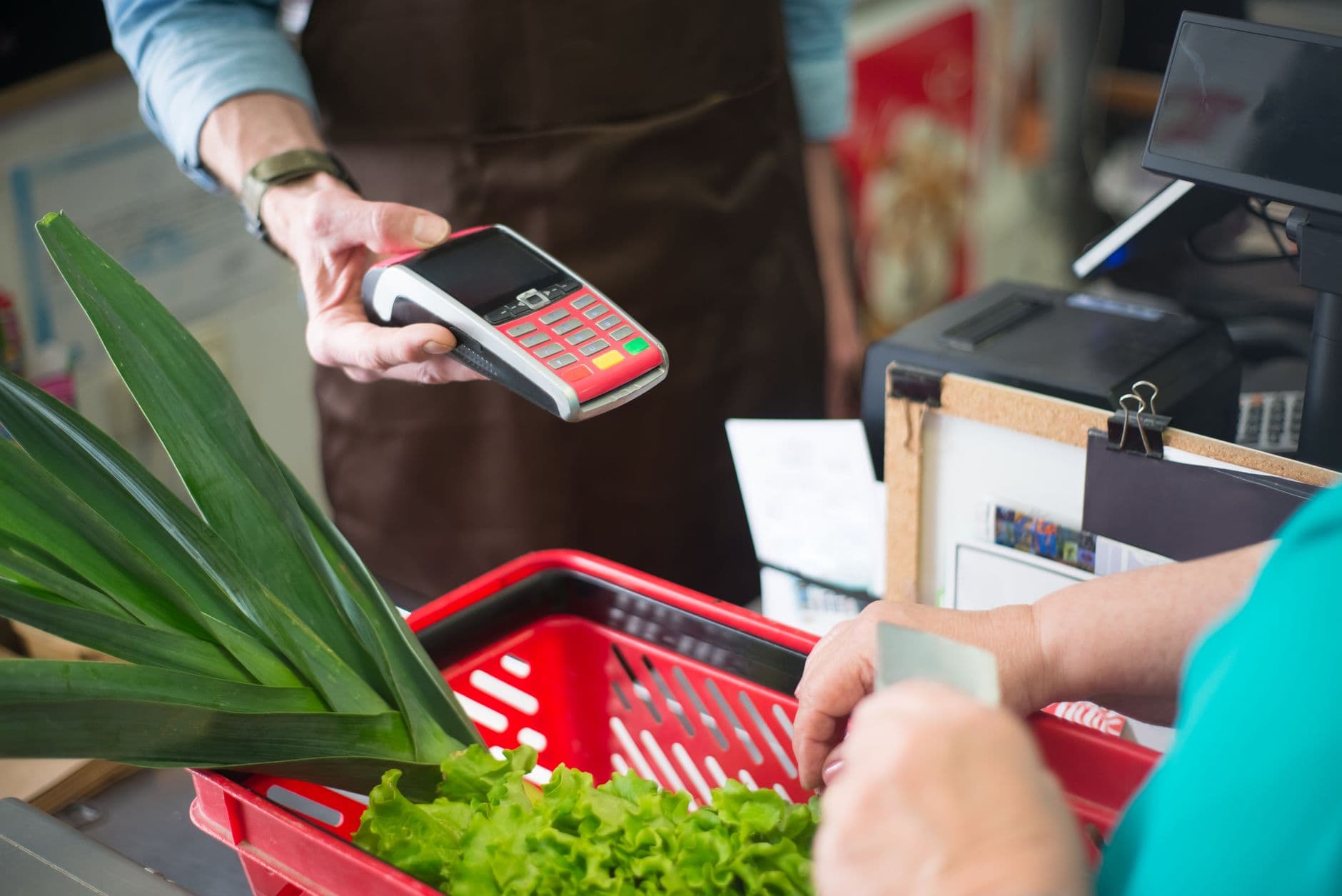
Federal Reserve data point to a broader squeeze on household finances. The Federal Reserve said in its 2024 report on the economic well-being of U.S. households that inflation and prices, especially food and groceries, remained a top financial concern. Newer figures from the Federal Reserve Bank of New York showed aggregate credit card balances reached $1.2 trillion in 2025:Q3, an all-time high and 14 percent higher than two years earlier. Urban also found credit card delinquencies rose 39.8 percent during the period of increased food prices.
The cash-flow problem extends beyond credit cards. A 2024 Urban report found many families were also using savings and other forms of debt to cover groceries, and Bankrate said 33 percent of U.S. adults had more credit card debt than emergency savings in 2025. Taken together, the numbers show how the cost of food has become a measure of financial fragility for millions of households, especially if prices stay elevated or safety-net programs are reduced.
This article was produced by Prism’s automated news system from verified source data, official records, and press releases, then run through automated quality and moderation checks before publishing. The system is built and supervised by the people who set the standards it runs under. Read our full AI policy.
Did this article answer your question?