Study finds cats share cancer mutations with humans
Cats carried cancer mutations that closely mirror human tumors, including TP53 in 33% of cases and FBXW7 in more than half of mammary cancers.
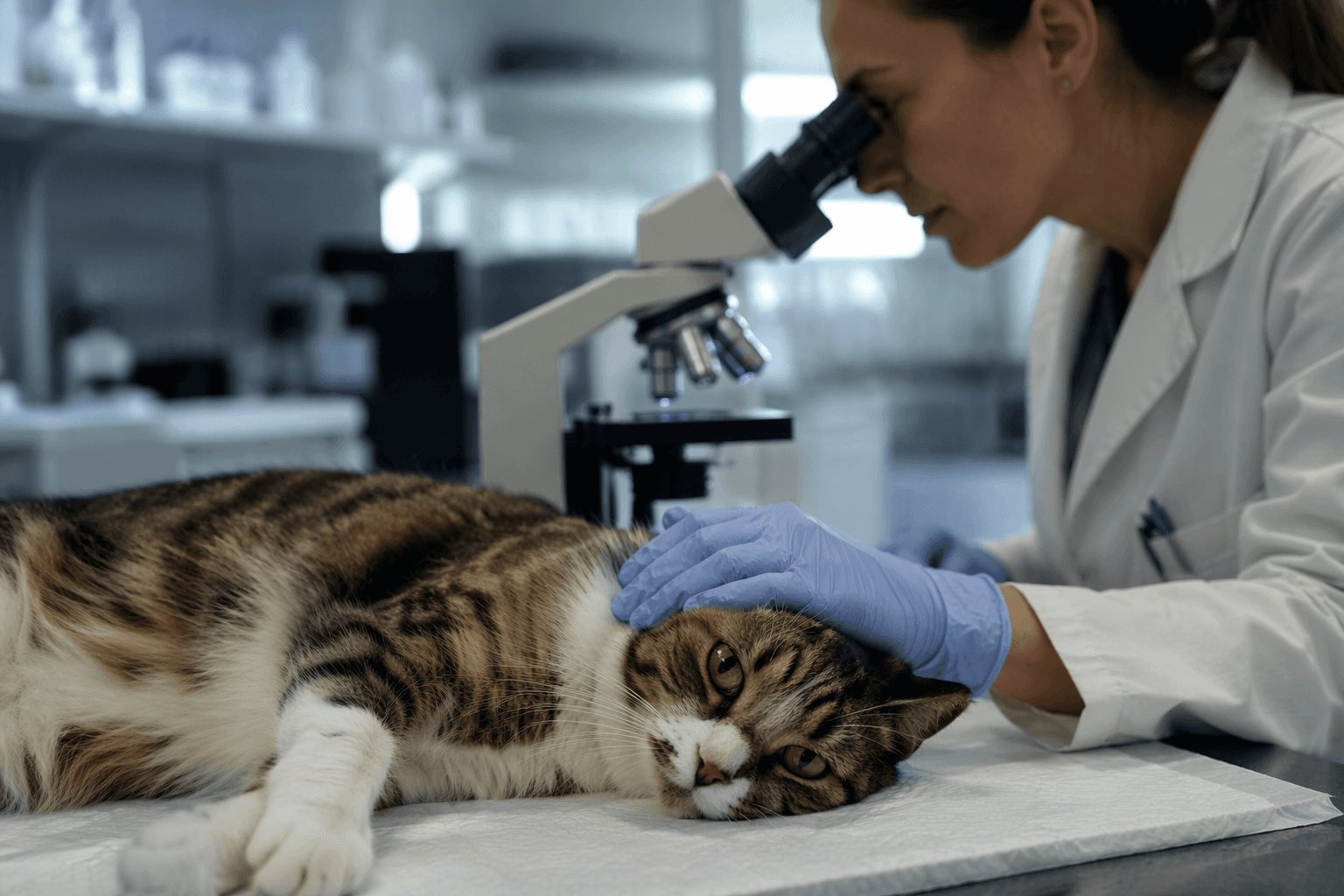
Cats may be a stronger real-world cancer model than lab animals because their tumors arise naturally and carry mutations that overlap with human disease. In the first large-scale genetic map of feline cancer, researchers analyzed 493 paired tumor-normal tissue samples from pet cats across five countries and found that TP53, the most frequently mutated gene, appeared in 33% of all feline tumors studied, almost identical to the 34% rate seen in human pan-cancer studies.
The study, published Feb. 19, 2026, pulled together work from the Wellcome Sanger Institute, Cornell University College of Veterinary Medicine, the Ontario Veterinary College at the University of Guelph and the University of Bern. Scientists said the project fills a long-standing gap in comparative oncology, where naturally occurring cancers in dogs have been studied far more often than cancers in cats, even though cancer remains a major cause of illness and death in domestic cats. The animals also share many of the same environmental exposures as people, which gives their tumors extra value for translational research.
One of the clearest signals came from feline mammary tumors. FBXW7 was the most commonly altered gene in that group, with mutations in more than half of the tumors studied. In human breast cancer, FBXW7 changes are linked to worse outcomes, a parallel that suggests the same driver pathways may be shaping disease in both species. The researchers also reported similarities in cancers of the blood, bones, lungs, skin, gastrointestinal tract and central nervous system.

The practical value cuts both ways. For veterinarians, the data could point toward better treatment for cats, including a finding that some FBXW7-mutant tumors showed sensitivity to vinca alkaloid chemotherapy. For human oncology, the study offers a broader look at which mutations may matter most in naturally developing cancers, and how environmental factors might interact with those mutations over time. Louise van der Weyden of the Wellcome Sanger Institute said the work created “the first major map of cat cancer genes” and identified “potentially actionable mutations.”
Researchers said the dataset will be made freely available for future feline cancer studies, a move that could speed both veterinary care and human cancer research. Cornell’s Latasha Ludwig said the findings mean cats should be viewed as “a vital partner in the fight against cancer,” while Geoffrey Wood of the University of Guelph said the work could help explain how cancer develops and how exposures shape risk. The study strengthens the case for cats as an underused model in a field where the next breakthrough may come from the tumors pets develop on their own.
This article was produced by Prism’s automated news system from verified source data, official records, and press releases, then run through automated quality and moderation checks before publishing. The system is built and supervised by the people who set the standards it runs under. Read our full AI policy.
Did this article answer your question?