Study finds measles T cells can also recognize Nipah virus
Measles-trained T cells recognized Nipah targets, pointing to broader vaccines that could help buy time against fast-moving outbreaks.
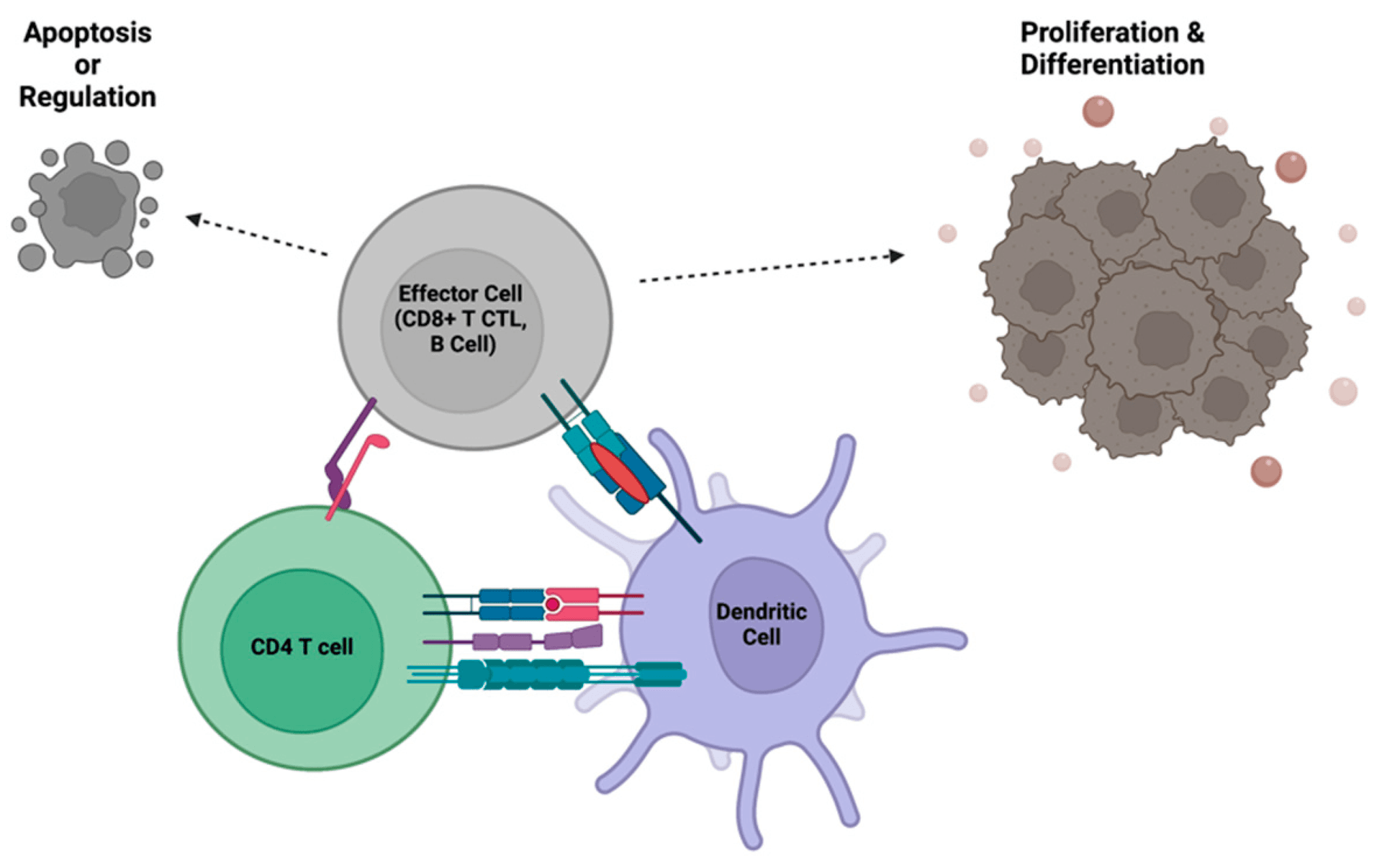
Immune cells primed by measles vaccination were able to recognize Nipah virus, a finding that could change how scientists think about vaccines for dangerous paramyxoviruses. Researchers at the La Jolla Institute for Immunology mapped human CD4+ T-cell responses across both viruses and found overlapping targets that suggest the immune system can detect conserved viral features before a new pathogen is fully understood.
The peer-reviewed paper, Comprehensive mapping of human CD4+ T cell epitopes for Nipah and measles as prototype paramyxoviruses, systematically mapped human CD4+ T-cell epitopes across the two viruses and identified 186 Nipah epitopes and 288 measles epitopes recognized in multiple donors. The N and F proteins were immunodominant in both viruses, while the L protein was additionally dominant in Nipah. The researchers defined conserved T-cell epitope regions, or CTERs, as shared immune targets across paramyxoviruses, and said the work marked the first time Nipah T-cell epitopes had been mapped in this way, including a shared region in the fusion, or F, protein. The project was supported by the National Institute of Allergy and Infectious Diseases and the Coalition for Epidemic Preparedness Innovations.

The public-health stakes are hard to ignore. The World Health Organization says measles vaccination averted nearly 59 million deaths between 2000 and 2024, yet measles still caused an estimated 95,000 deaths globally in 2024, most of them among children under 5. Global first-dose coverage was 84% that year, below the 86% level in 2019. In the United States, CDC data show MMR coverage among kindergarteners fell to 92.5% in the 2024-2025 school year, about 286,000 kindergartners attended school without documentation of completing the MMR series, and exemptions from one or more vaccines rose to 3.6%, or about 138,000 children.
Nipah carries even sharper urgency. WHO says the virus was first identified in 1998 in Malaysia, has since been reported in Bangladesh, India, Malaysia, the Philippines and Singapore, and has an estimated case-fatality rate of 40% to 75%. There is no licensed treatment or vaccine. WHO’s March 6, 2026 rapid risk assessment examined Nipah’s global risk through public-health impact, spread and control capacity, and a January 30 outbreak notice said two laboratory-confirmed cases in West Bengal, India, were both healthcare workers, with more than 190 contacts traced and tested.
The study does not show that a measles shot prevents Nipah disease in people today. It shows something more fundamental and more useful for vaccine design: vaccine-trained T cells can recognize conserved sites across related viruses, offering a possible first layer of defense when the next threat is uncertain. One researcher said, “No one knows which particular viral species or strain of a virus might be responsible for an outbreak,” and another added that “Activating T cells can be your first line of defense” when the next threat is uncertain.
This article was produced by Prism’s automated news system from verified source data, official records, and press releases, then run through automated quality and moderation checks before publishing. The system is built and supervised by the people who set the standards it runs under. Read our full AI policy.
Did this article answer your question?