Study links common food preservatives to higher heart disease risk
A French study of 112,395 adults linked the highest intake of non-antioxidant preservatives to 29% higher hypertension risk and 16% higher cardiovascular risk.
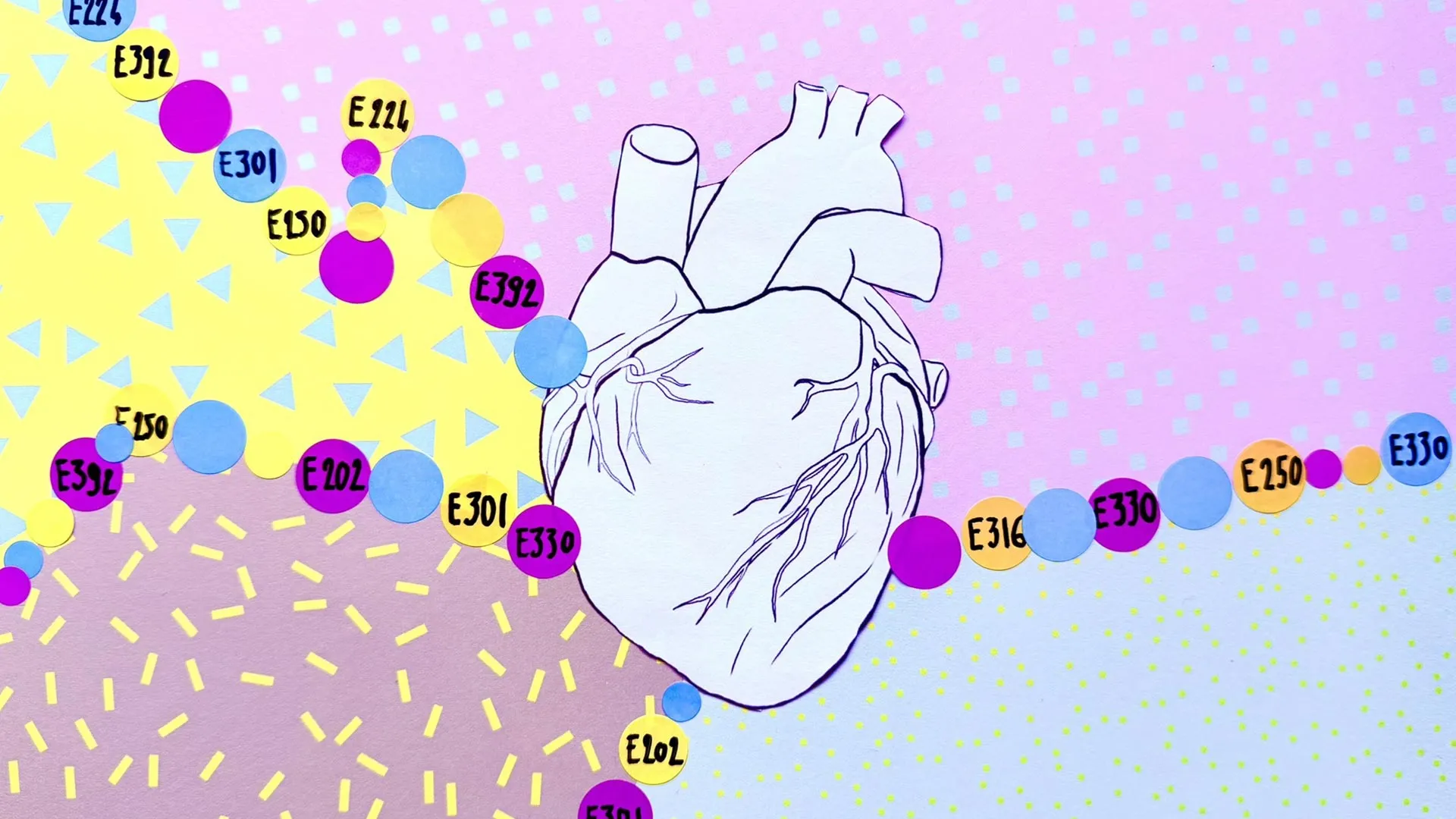
The preservatives sitting inside packaged and convenience foods came under fresh scrutiny in a French study of 112,395 adults, which linked higher intake of several common additives to greater risk of high blood pressure and cardiovascular disease. The strongest signal was seen among people who consumed the most non-antioxidant preservatives, who had a 29% higher risk of hypertension and a 16% higher risk of cardiovascular disease.
Published May 20, 2026 in the European Heart Journal, the analysis followed participants in the NutriNet-Santé cohort in France from 2009 to 2024, with an average follow-up of about seven to eight years. Diet was measured with repeated 24-hour records, up to 96 per participant, and the researchers combined commercial brand information, food additive composition databases and laboratory assays in food matrices to estimate exposure more precisely than a simple questionnaire can.

The paper identified eight preservative food additives linked to high blood pressure or cardiovascular disease. It also found that the highest intake of antioxidant preservatives was associated with a 22% higher risk of hypertension. That matters because these are not niche ingredients hidden in rare products; they are part of the broader industrial chemistry that helps packaged foods last longer and remain cheaper, especially in lower-cost convenience diets that rely on long ingredient lists.
The findings do not prove the additives caused disease. The evidence was observational, so it shows a link rather than a direct causal chain, and the authors noted that experimental studies had already hinted at possible adverse cardiovascular effects while human data had been limited. Still, the scale of the cohort, the repeated dietary tracking and the use of brand-specific food data gave the analysis unusual weight in a field where diet studies often struggle to measure exposure accurately.
A second European Heart Journal paper published June 17, 2026 sharpened the policy question further by linking higher ultra-processed food intake to greater cumulative exposure to food preservatives. Taken together, the studies suggest preservatives may be one pathway connecting modern diets and cardiovascular risk, beyond the usual focus on salt, sugar and fat.
For regulators, the result raises a familiar question: do current labels and safety reviews capture enough of the risk in additive-heavy diets, or is this a case for more targeted research before any broad rule changes? For consumers, the takeaway is more practical than dramatic: foods with shorter ingredient lists and fewer preservative-heavy formulations may carry less of this particular exposure, while the next phase of research will need to test whether the same associations appear in other populations and which additives matter most.
This article was produced by Prism’s automated news system from verified source data, official records, and press releases, then run through automated quality and moderation checks before publishing. The system is built and supervised by the people who set the standards it runs under. Read our full AI policy.
Did this article answer your question?