Study of dementia dogs reveals rapamycin’s potential to slow cognitive decline
A ski lift chat sent Ralph, a 13-year-old rescue with dementia, into a rapamycin trial that could inform aging research in dogs and people.
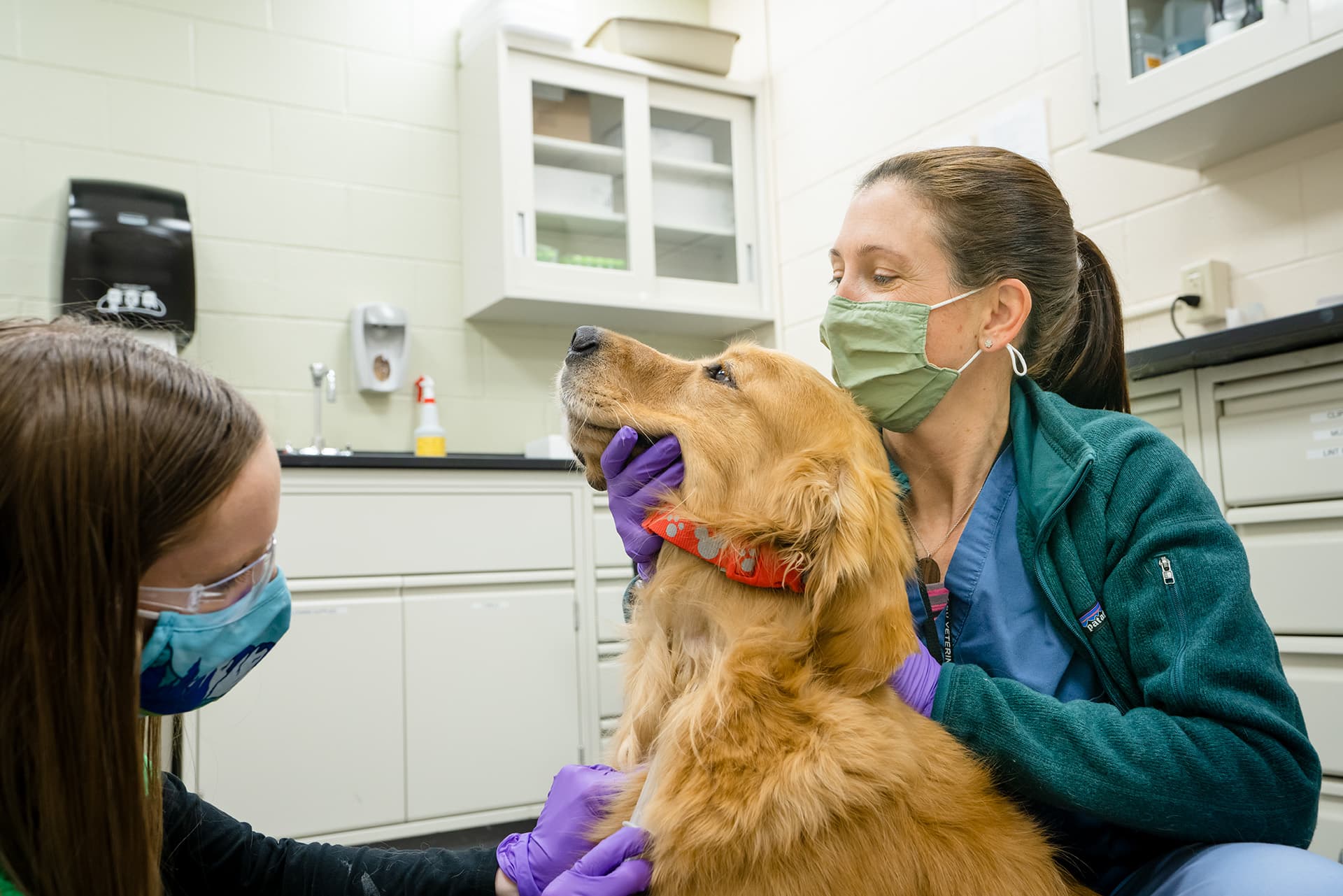
A ski-chairlift conversation in Winter Park turned a family worry about Ralph into part of a wider scientific test of whether rapamycin can improve late-life health. Ralph, a 13-year-old mixed-breed rescue dog, had become restless, anxious, prone to pacing and panting, and even forgot he had eaten dinner in 2024, signs that led Tara Rowe and Jason Rowe to speak with Colorado State University veterinarian Dr. Stephanie McGrath. About a month later, Ralph entered the study.
McGrath told the Rowes that his symptoms could fit canine cognitive dysfunction syndrome, a condition that can look strikingly like Alzheimer’s disease in people. That is why Ralph’s case mattered beyond one household: dogs age in the human environment, develop many of the same age-related diseases, and offer researchers a translational model for studying cognition, heart health and lifespan. Colorado State University’s clinical research team enrolled more than 20 dogs in the dementia study, focusing on animals older than 8 that showed signs of cognitive decline.

The work sits inside the Dog Aging Project, a long-term, open-science effort that studies tens of thousands of companion dogs to understand healthy aging and test interventions that may extend lifespan and healthspan. Its TRIAD trial is double-blind and placebo-controlled. The project says rapamycin, already approved for some human cancers and for preventing organ rejection in transplant patients, is being tested in dogs first to determine whether it increases lifespan and, second, whether it improves health measures as dogs age.
Earlier canine research helped push the field forward. The Dog Aging Project says low-dose rapamycin has shown possible benefits for heart health, cognitive function and lifespan in laboratory animals, and a placebo-controlled clinical trial in 24 healthy middle-aged dogs tested the drug for 10 weeks. Those studies did not settle the question, but they gave veterinarians and researchers enough reason to keep going, especially as the focus shifted from healthy middle age to dogs already showing dementia-like changes.
Ralph’s role in that effort ended with his death in December 2025, but Colorado State University said it remained grateful for his contribution. His story underscores the central bet behind the research: that what happens in an aging dog at home can help answer whether an anti-aging drug can slow decline in animals, and eventually guide human studies with greater precision.
This article was produced by Prism’s automated news system from verified source data, official records, and press releases, then run through automated quality and moderation checks before publishing. The system is built and supervised by the people who set the standards it runs under. Read our full AI policy.
Did this article answer your question?