Study suggests laughter evolved from ancient ape ancestors
A study of 140 laughter sequences found the same rhythm in humans and four great ape species, pointing to a shared ancestor about 15 million years ago.
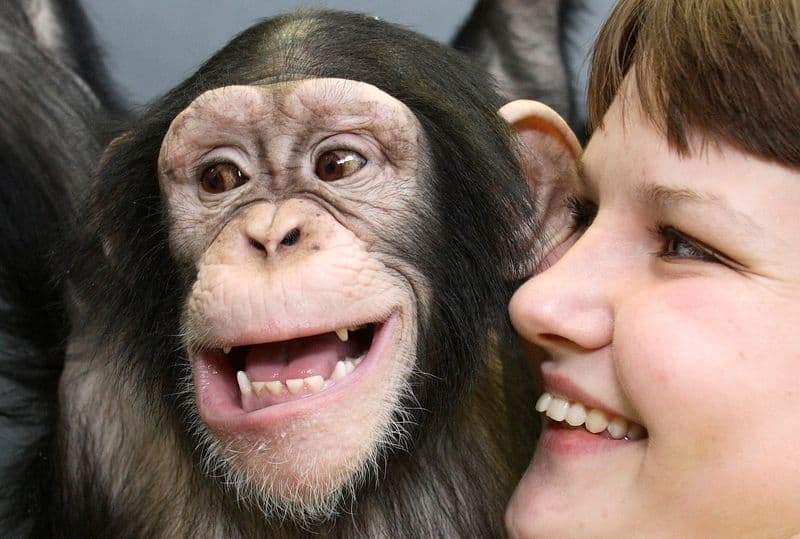
Researchers who analyzed 140 laughter sequences from humans, chimpanzees, bonobos, gorillas and orangutans found the same evenly spaced rhythm across every species they studied. The study, led by Chiara De Gregorio at the University of Warwick and published in Communications Biology on June 25, 2026, suggested that laughter may have deep evolutionary roots in a common ancestor that lived about 15 million years ago in East or Central Africa.
The paper, titled Rhythm and timing in laughter reveal that human vocal plasticity falls on a hominid continuum, drew on recordings from four orangutans, two gorillas, three bonobos, four chimpanzees and four humans. The human participants were between six months and seven years old. Ape recordings came from zoo environments in Germany and Malaysia, where the animals were either playing or being gently tickled by caretakers they knew.
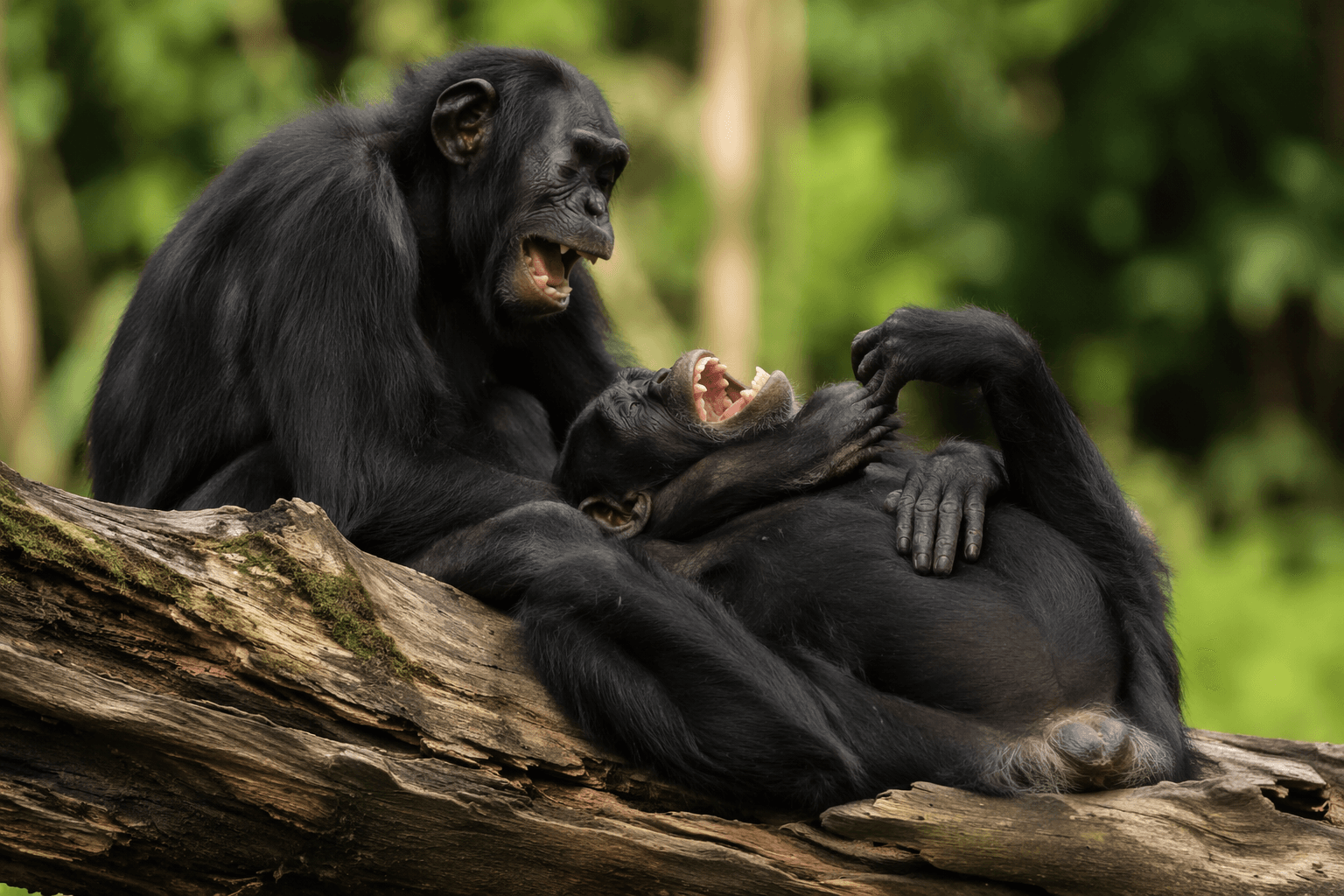
Across all five species, the researchers found evenly spaced rhythmic intervals between successive sounds. That shared structure is the strongest evidence in the study for a common biological pattern rather than a purely human one. At the same time, the human recordings stood out in another way: human laughter became faster and more varied depending on the situation, while the other apes showed less evidence of changing the rhythm in the same way.
That difference matters because it suggests that human social communication may have built flexibility on top of an older vocal pattern. De Gregorio and her coauthors, Adriano Lameira and M. Davila-Ross, said the findings may help explain how timing, rhythm and social meaning became part of speech and language. The study does not claim that ape laughter and human laughter are identical. It points instead to a continuum, with humans showing a more adjustable version of a pattern that appears to predate modern humanity.
The authors said larger sample sizes are needed to confirm the result, but the study adds a rare piece of behavioral evidence to a bigger question in evolution: how a familiar expression of amusement and social bonding may have emerged from ancient primate communication long before people began speaking.
This article was produced by Prism’s automated news system from verified source data, official records, and press releases, then run through automated quality and moderation checks before publishing. The system is built and supervised by the people who set the standards it runs under. Read our full AI policy.
Did this article answer your question?