Study: Trees cool cities worldwide, but poorest hottest areas miss out
Trees now offset nearly half the urban heat island effect, but millions in Dakar, Jeddah, Kuwait City and Amman still get almost none.
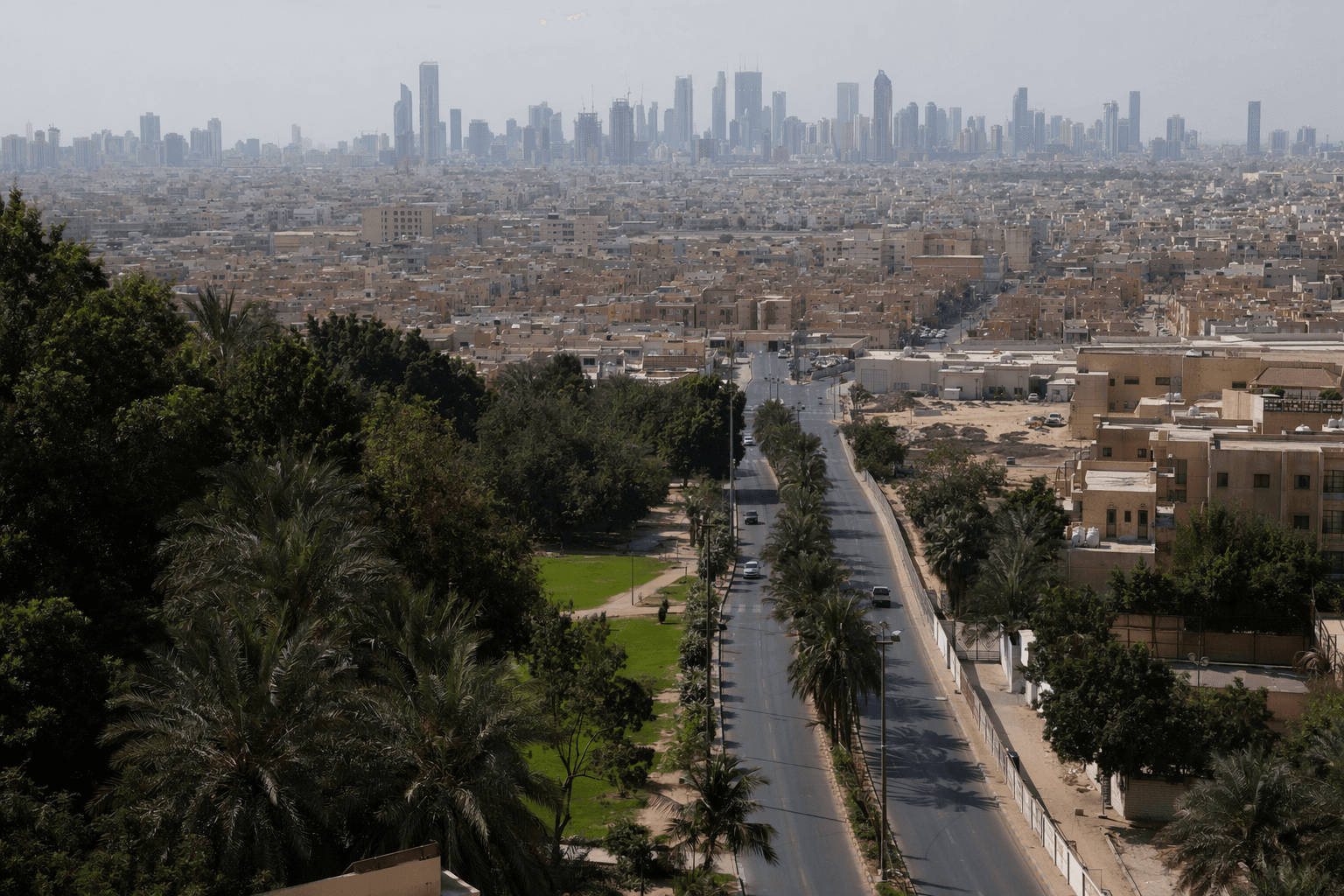
Trees are already cooling cities around the world by a surprising amount, but the relief is landing unevenly, with the hottest and poorest places still getting left behind. A study published May 6 in Nature Communications found that tree cover across the world’s cities offsets about half of the extra heat created by pavement, roofs and other built surfaces, yet the benefit is concentrated in wealthier places that need it less.
Researchers analyzed nearly 9,000 large cities and measured temperatures in segments of roughly 150 city blocks each, a design meant to keep distant parks from getting credit for cooling neighborhoods they do not directly reach. Using weather station data, satellite imagery and computer models, they estimated that trees lowered city temperatures by an average of 0.15 degrees Celsius, or 0.27 degrees Fahrenheit. Without tree cover, cities would have been about 0.31 degrees Celsius, or 0.56 degrees Fahrenheit, warmer because of the urban heat island effect.
The cooling is real for many people. About 185 million people in 31 large cities already get at least 0.3 degrees Celsius, or 0.5 degrees Fahrenheit, of cooling from trees. But the study also found 20 cities with at least 3 million residents where people get less than 0.05 degrees Celsius of cooling from trees. In four cities, Dakar, Senegal; Jeddah, Saudi Arabia; Kuwait City, Kuwait; and Amman, Jordan, more than 15 million people collectively get essentially no cooling at all because tree cover is so sparse.
The divide tracks wealth. Nearly 40 percent of cities in wealthy countries get at least 0.25 degrees Celsius of cooling from trees, compared with just under 9 percent of cities in the poorest countries. Rob McDonald, the study’s lead author and a scientist at The Nature Conservancy, warned that hotter and poorer cities are not seeing the same relief, even though those are the places where heat can be most deadly.
That matters far beyond landscaping. Extreme heat can overwhelm the body, driving dehydration, heatstroke, cardiovascular strain and organ failure. The study adds to a public-health warning that tree planting helps, but cannot by itself solve urban heat in places already facing deep inequality. Cities that treat canopy as a neighborhood equity issue, not just a climate amenity, are more likely to protect the people most exposed to dangerous heat.
This article was produced by Prism’s automated news system from verified source data, official records, and press releases, then run through automated quality and moderation checks before publishing. The system is built and supervised by the people who set the standards it runs under. Read our full AI policy.
Did this article answer your question?