Study Warns San Franciscans Could Wait a Century for Affordable Rents
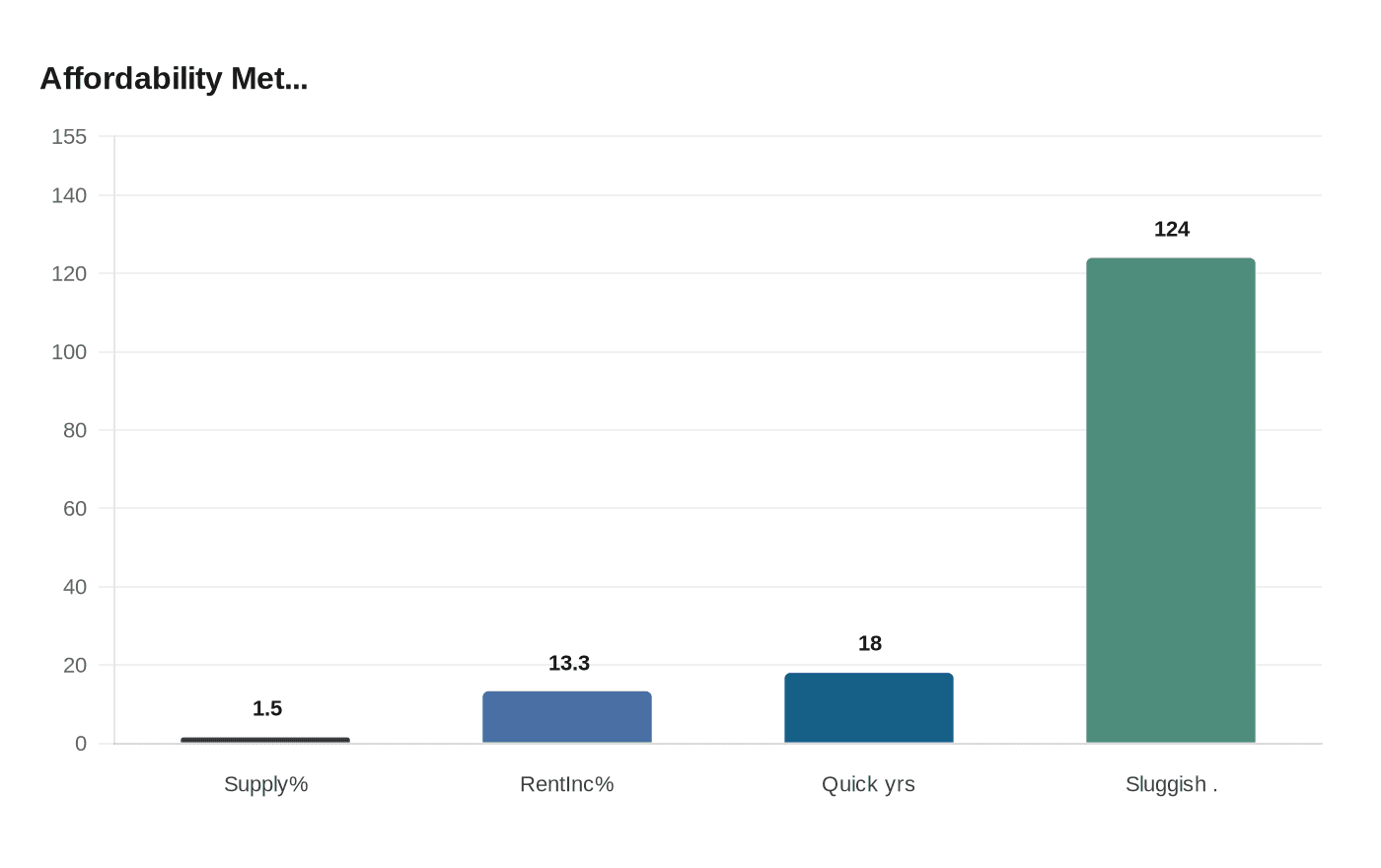
Max Buchholz of UC Berkeley warns a SocArXiv preprint finds that even an “ambitious” 1.5% annual growth in Bay Area market-rate housing could leave a median one‑bedroom unaffordable to a median non‑college earner for 18 to roughly 124 years.
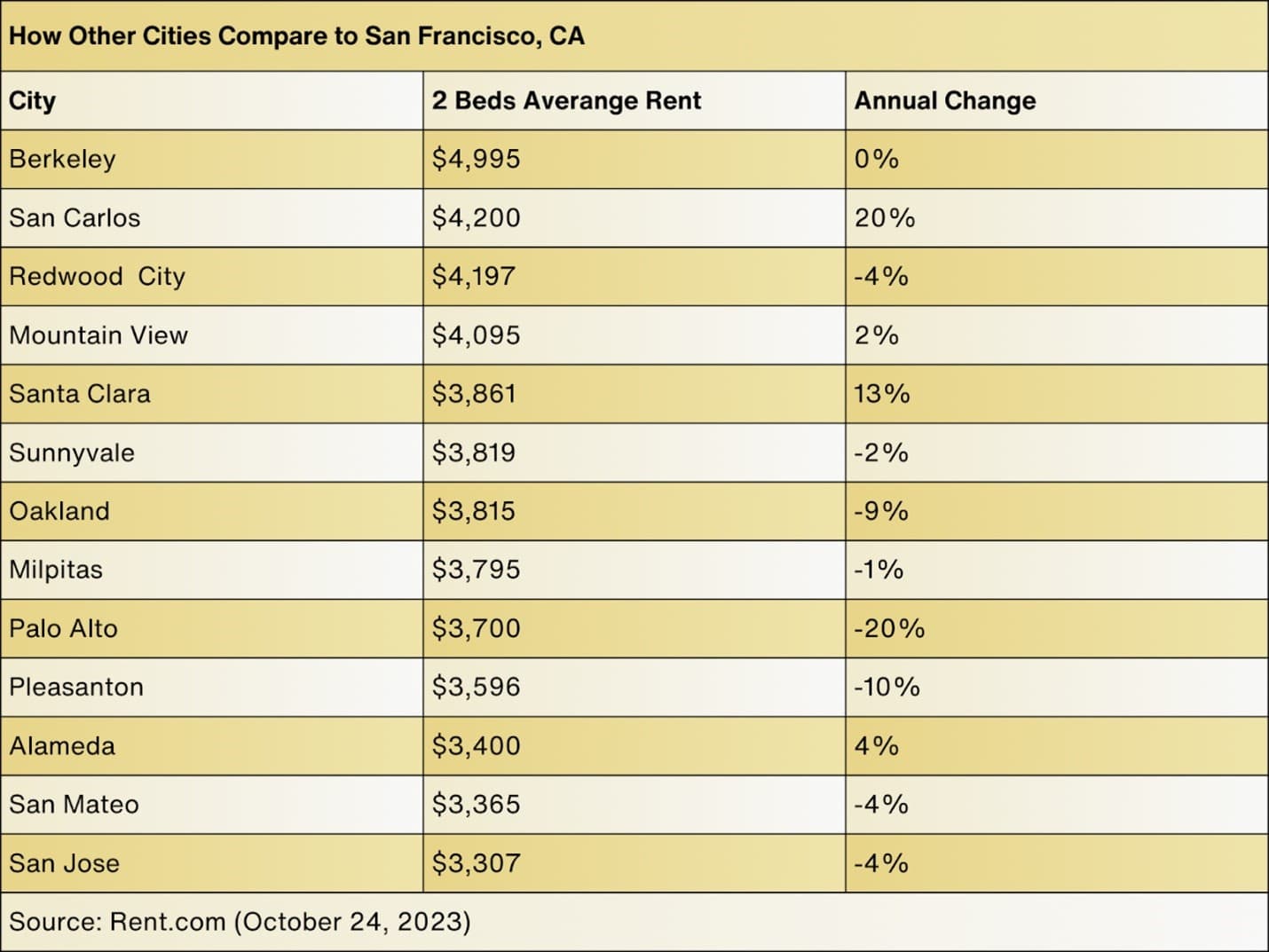
Max Buchholz, lead researcher at UC Berkeley, said the paper shows the problem is more complex than simple zoning fixes as he released a multi‑institution preprint posted on SocArXiv in early March 2026. The study models a Bay Area scenario in which market‑rate housing stock expands 1.5 percent per year, a pace the authors describe as “ambitious,” and finds starkly different outcomes depending on how quickly rents react to added supply. If rents adjust quickly, the median one‑bedroom could become affordable to a median non‑college earner in about 18 years; if prices adjust sluggishly, the timeline stretches to roughly 124 years.
The paper’s text frames those timelines as contingent on extreme changes to the housing stock, noting that “Both scenarios require enormous, localized shocks to the housing stock.” The authors add that “This simple exercise clearly illustrates that interventions focused on market-race supply alone are unlikely to generate widespread affordability in any meaningful timeframe.” The study’s author group includes researchers at UC Berkeley, UCLA, Georgia Institute of Technology, and the University of Toronto.
Buchholz framed the finding against the dominant YIMBY policy logic that cutting red tape and permitting more market‑rate units will, by itself, restore affordability. “The appeal is that it offers a really simple explanation and a solution that doesn’t require any on‑budget spending,” he said. “My view is that it’s much more complex than that, and it probably will require some public financing and intervening in a lot of other ways.” His comments underline the study’s core policy conclusion that supply growth alone, without targeted public investment or other interventions, is unlikely to redirect rent trajectories on useful timelines.

The preprint arrives as San Francisco leaders and Sacramento lawmakers continue to clash over housing reforms. The report situates its scenario amid a decade of pro‑housing, YIMBY legislation in Sacramento that has included “dozens” of bills to loosen local zoning control and streamline approvals. Local market signals have intensified the debate: by one count San Francisco rents jumped 13.3 percent in the last year.
Reactions from housing advocates and industry figures were immediate. Laura Foote, executive director of YIMBY Action, offered a proverb in response: “A society grows great when old men plant trees whose shade they know they will never sit in.” Developer Bora Ozturk pushed back on zoning as the central constraint, saying, “The issue is not zoning. Nobody is starting construction until the costs come down.”
Beyond the political sparring, the study emphasizes wages and geography as central drivers of affordability. The authors argue that high‑earning college graduates drawn to dense urban labor markets push rents up in ways that outpace non‑college wages, meaning policy solutions may need to target earnings, subsidies, and public financing in addition to permitting and entitlement reform. For San Francisco policy makers, the choice implied by the study is clear: without large, localized investments or new revenue for subsidized housing and wage interventions, even aggressive market‑rate production could leave affordability out of reach for decades or longer.
Know something we missed? Have a correction or additional information?
Submit a Tip