Substack adds AI detection tool for posts, notes and comments
Substack started flagging posts, notes, replies and comments for AI use, as creators and readers debate whether a score can restore trust or deepen suspicion.
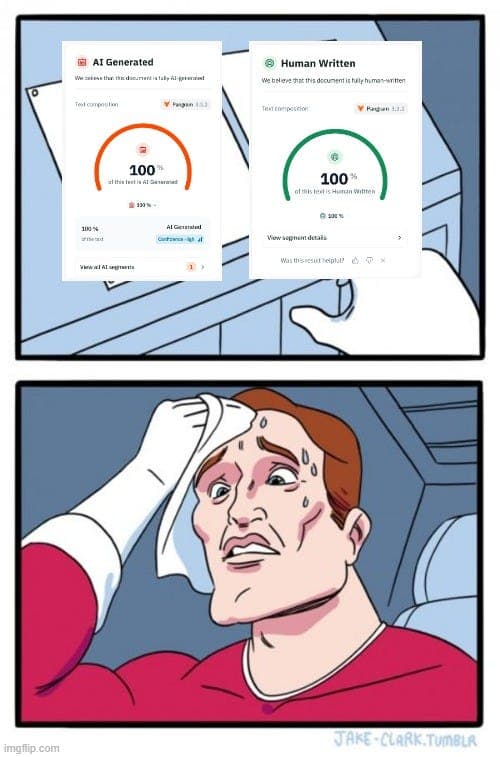
Substack launched an AI detection feature that scans posts, notes, replies and comments and estimates how much text could be AI-generated or written with AI assistance. The tool arrives through an integration with Pangram, and Substack said it is meant to help readers identify machine-made writing across the platform, including in short Notes threads and comment chains where tone and authorship can be harder to pin down.
The timing reflects how fraught that question has become. Wired reported in November 2024 that a GPTZero analysis estimated at least 10 of Substack’s top 100 newsletters used AI in some capacity, and that 7 were significantly relying on AI-generated content. A separate analysis described around 10 percent of those top newsletters as publishing AI-generated or AI-assisted material, adding fuel to a broader argument over how much of newsletter culture is now written with help from machines.
Pangram has been pushing its own detection tools across multiple platforms, and its Chrome extension has been described as labeling posts as human or AI-generated across X, Medium, LinkedIn, Substack and Reddit. The new Substack feature extends that approach into the platform’s own reading environment, where it may influence not just what people trust, but how they judge the people behind the words. The Verge said the tool can also pick up on “Claudefishing” across posts, comments, notes and replies, a sign of how quickly AI authorship has become part of the vocabulary around online credibility.
The debate is not just about detection, but about whether detection itself can be trusted. Writers and analysts have argued that these systems can be brittle, misleading or overconfident, especially when they are treated as verdicts instead of signals. Marc Watkins wrote that using Pangram’s extension for a week changed how he read social media and made him focus on labels rather than the content itself, a warning that AI scores can redirect attention from substance to suspicion.
Tim Requarth made that concern sharper, arguing, “Be wary when the same companies co-author the research, rile up the mob, and sell the solution.” That tension now sits at the center of Substack’s move: a platform built on the idea that a byline signals a human voice is adding a machine-authorship score just as creators, readers and publishers are deciding whether those labels will repair trust, distort it, or simply become one more marker people learn to ignore.
This article was produced by Prism’s automated news system from verified source data, official records, and press releases, then run through automated quality and moderation checks before publishing. The system is built and supervised by the people who set the standards it runs under. Read our full AI policy.
Did this article answer your question?