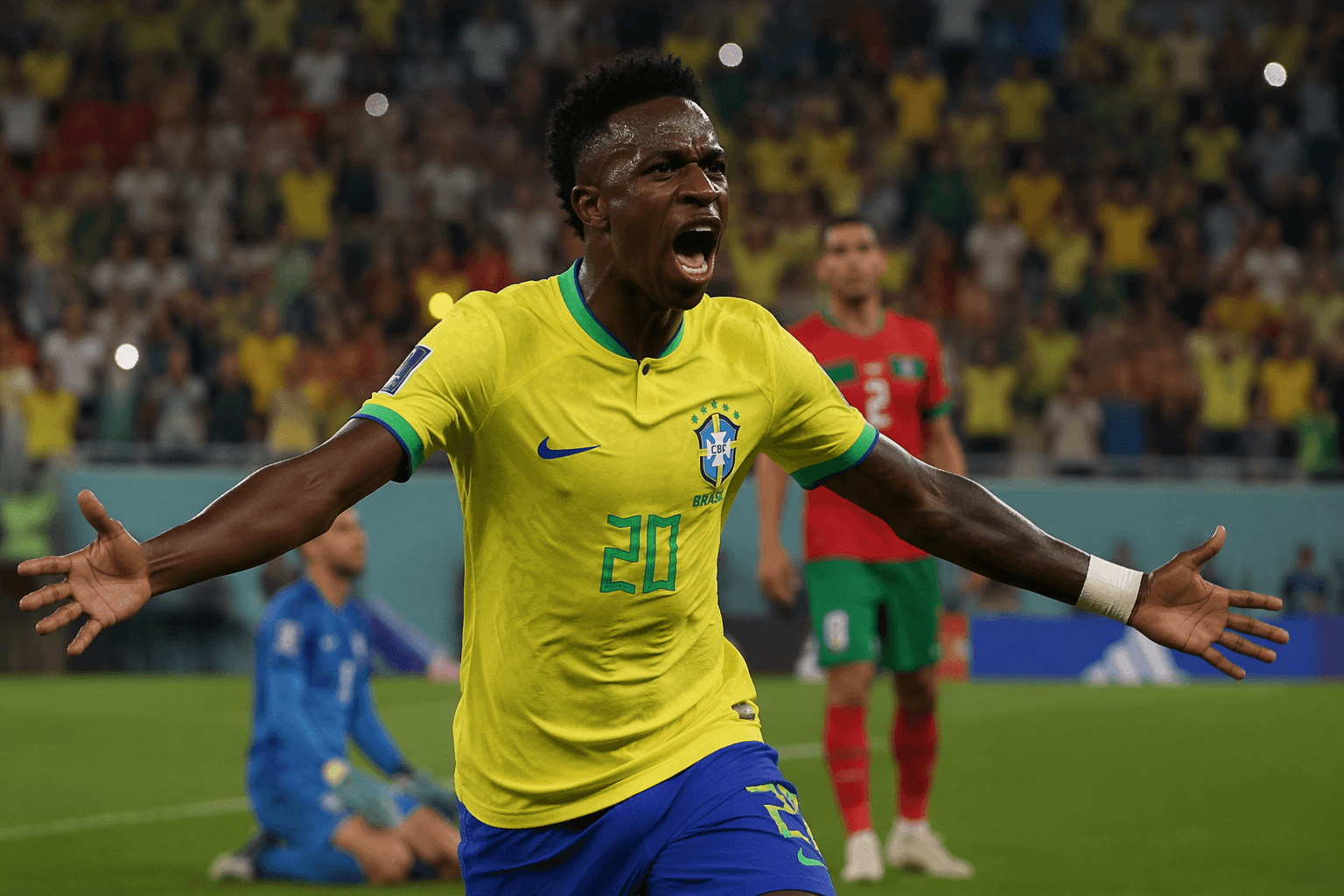
Suiza cede empate agónico ante Qatar y deja escapar dos puntos
Qatar struck in the 95th minute to stun Switzerland 1-1, turning a Swiss collapse into a historic first World Cup point and a growing setback for Murat Yakin’s side.

Qatar’s last-gasp equalizer turned a controlled Swiss night into a national frustration and a Qatari breakthrough. Breel Embolo had put Switzerland ahead from the penalty spot in the first half, but Boualem Khoukhi’s header in stoppage time rescued a 1-1 draw at Levi’s Stadium in Santa Clara, California, before 67,966 spectators.
The result left Switzerland with the feeling of two points thrown away. The team had controlled 68 percent of possession to Qatar’s 32 percent and still failed to finish the job, a mismatch that sharpened the sense of regret around a match it had managed for long stretches. Said Martínez officiated the Group B game, which remained open after Qatar’s late surge.
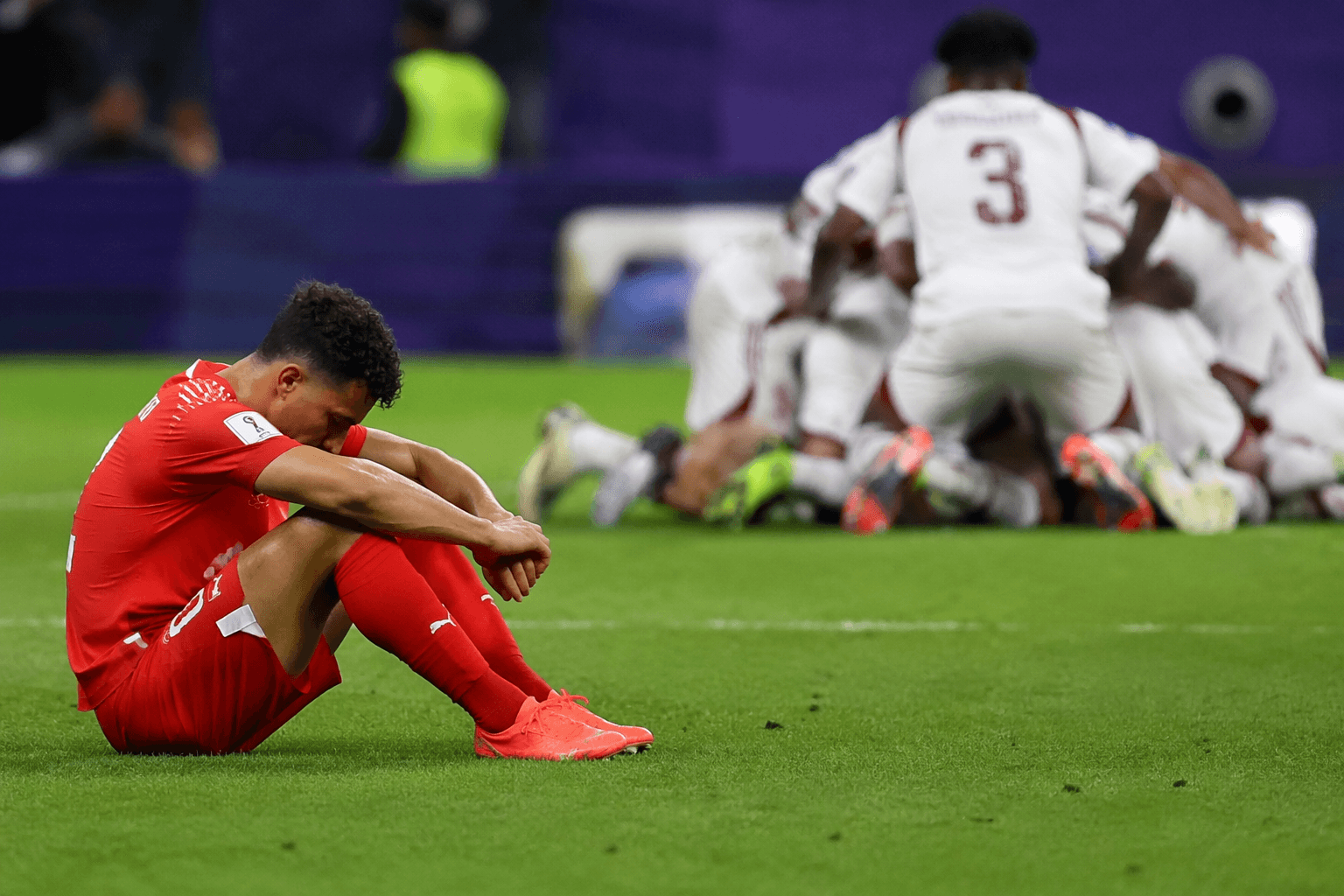
Inside the Swiss camp, the reaction was immediate and uneven. Rodríguez urged calm ahead of the second match, Gregor Kobel showed clear disappointment, Granit Xhaka demanded action and accountability for the mistakes, and Murat Yakin described it as an unnecessary point lost. That response reflected the gap between expectation and outcome: Switzerland arrived after qualifying for the 2026 World Cup unbeaten in its European group and conceding only two goals, a record that made the draw feel less like an accident than a warning.
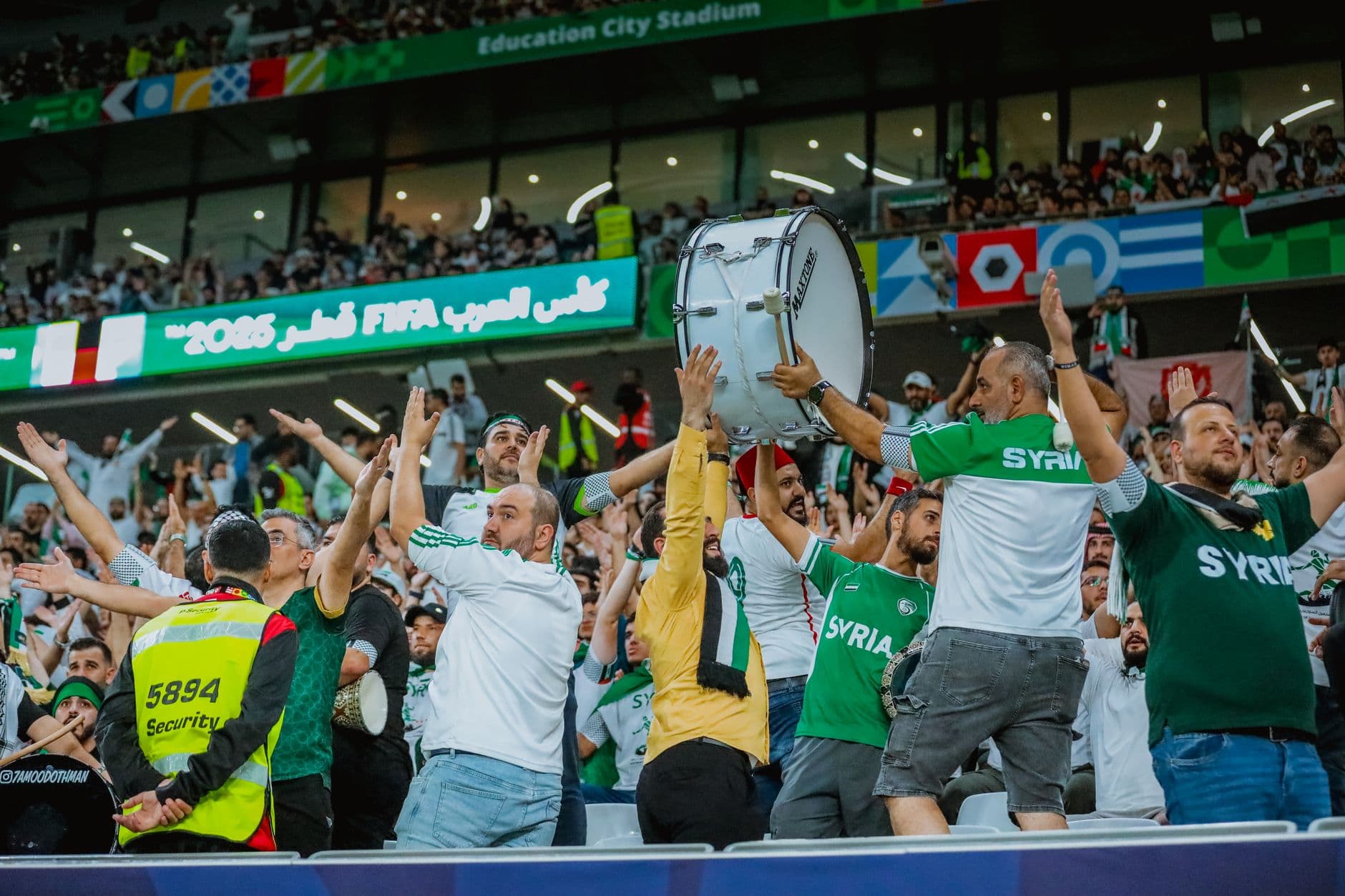
For Qatar, the same scoreline carried a completely different meaning. Khoukhi’s header in the 95th minute, or as some accounts described it, the last play of the game, set off celebrations among Qatari supporters and was hailed as a historic reward for patience and resistance. It was Qatar’s first point in a World Cup, a landmark that gave the team a foothold in the tournament and was described as one of the first major surprises of the 2026 World Cup.
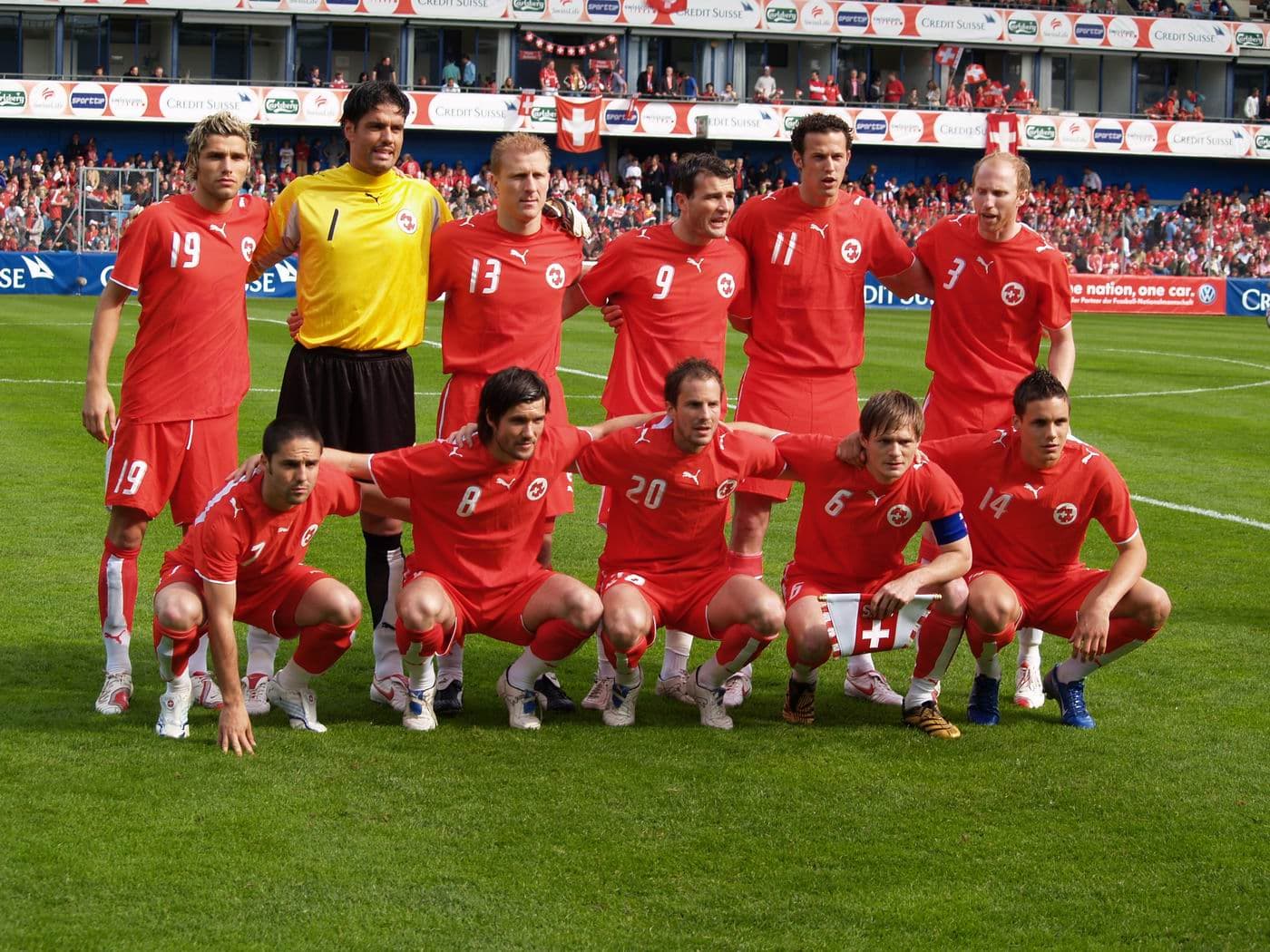
The contrast was stark: Switzerland saw a missed opportunity to tighten control of Group B, while Qatar saw proof that it could compete under pressure until the final whistle. The draw also mattered beyond the scoreboard, because it kept the group open and raised the value of every remaining match, especially for a Swiss side now carrying less margin for error.
This article was produced by Prism’s automated news system from verified source data, official records, and press releases, then run through automated quality and moderation checks before publishing. The system is built and supervised by the people who set the standards it runs under. Read our full AI policy.
Know something we missed? Have a correction or additional information?
Submit a Tip