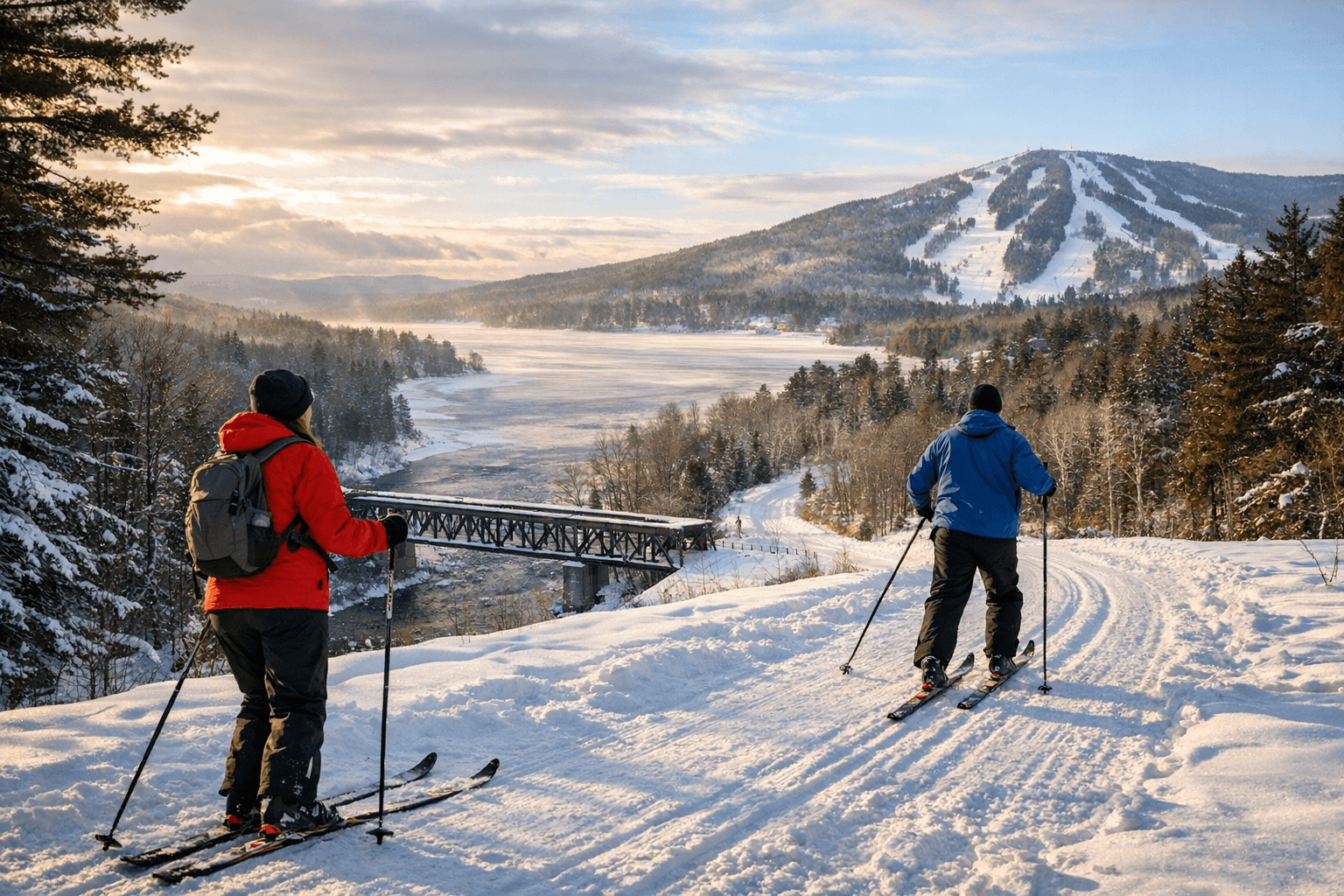
Sullivan County guide to historic downtowns, lakes, and trail networks
Learn where to walk, boat, and explore Sullivan County’s historic downtowns, lakes, and trail networks across seasons.
1. Claremont’s Mill District & Historic Downtown
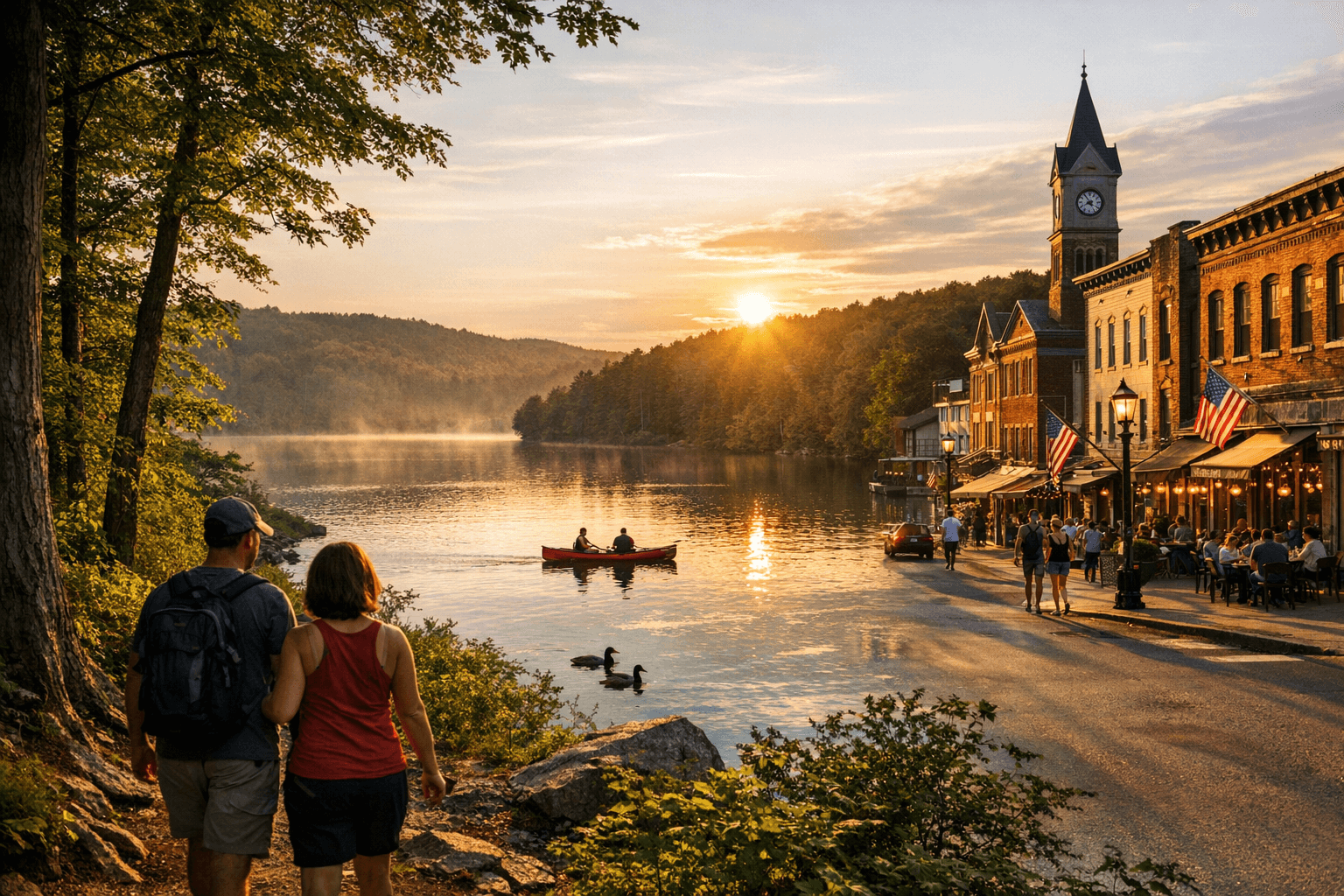
Claremont’s downtown stretches along the Sugar River, where former mill buildings now house small businesses, civic institutions, and interpretive plaques. Walking routes through the Mill District highlight industrial-era architecture and community-led preservation projects; periodic city announcements indicate active downtown redevelopment and historic-preservation efforts that aim to stabilize property values and attract new retail and service tenants. For residents, the district is both a cultural anchor and an economic engine: concentrated foot traffic supports restaurants, galleries, and professional services, while preservation work helps maintain the tax base and tourism appeal.
2. Lake Sunapee & Sunapee Harbor
Lake Sunapee is a primary regional draw for boating, fishing, shoreline recreation, and seasonal festivals centered at Sunapee Harbor, where cafés and galleries cluster near public waterfront access. In summer, the harbor increases demand for short-term retail and hospitality services; in winter, the same lakefront trails and nearby parks pivot to hiking and cross-country activities, extending economic activity year-round. Practically, shoreline businesses benefit from predictable seasonal peaks, but they also face costs tied to parking management and water-access regulations that towns must balance against conservation goals.
3. Newport & the Sugar River Trail
Newport serves as the county seat and a gateway to the Sugar River Trail network and rail-trail segments that draw walkers, cyclists, and trail-event organizers. The town center provides municipal services, local shops, and periodic community events such as farmers markets and trail festivals that create concentrated economic activity on weekends. Parlin Field (Claremont Municipal Airport) adds regional connectivity for small aircraft and can support economic development by improving access for visitors and potential investors; maintaining such infrastructure is a recurring budget and planning item for local governments.
4. Charlestown & Cornish rural landscapes
Charlestown and nearby Cornish offer scenic rural roads, covered bridges, and well-preserved historic houses and farms—features that support scenic drives, heritage tourism, and small-scale farm and arts initiatives in places like Cornish Flat. These attractions reinforce a rural economic model where farmstead retail, studios, and seasonal visitors supplement traditional agriculture, contributing to household income diversification. Local preservation of bridges and historic properties also serves a dual purpose: cultural continuity for residents and a marketing asset for destination weekends.
5. Grantham’s trails, committees, and conservation land
Grantham provides accessible hiking and conservation lands alongside an active civic infrastructure—local committees focused on energy, planning, and community power programs indicate a municipality engaging with long-term resilience and cost-management strategies. Conservation land both protects scenic value and supports outdoor recreation that feeds local spending on equipment, food, and lodging. The town’s committee work points to policy approaches that can lower energy costs over time, attract residents who value sustainability, and shape land-use decisions affecting development pressure and open-space preservation.
- Check town websites for seasonal parking rules, winter advisories, and trail conditions: these change with storms and event schedules and affect both convenience and safety.
- For boating and beach access, confirm water-access rules, seasonal lifeguard schedules, and parking arrangements; failing to check can result in fines or limited access during peak times.
- Reserve weekend guided walks, local museum visits, and walking tours in warmer months when organizations often schedule events and capacities fill quickly.
6. Practical visitor tips for residents and guests
These operational tips protect your time and household budget while helping small organizations manage predictable demand.
7. Local economic and policy implications
Sullivan County’s mix of historic mill towns, lakeside recreation, and rural landscapes underpins a diversified local economy made up of small businesses, seasonal tourism, and civic services. Investments in trail maintenance, waterfront access, and preservation can raise property values and expand visitor spending, but they also require coordination on parking, emergency services, and infrastructure funding. Policy choices at the town level—zoning for mixed-use downtowns, funding for conservation, and support for community energy programs—shape long-term resilience, affordability, and the ability of local entrepreneurs to capture tourism dollars.
8. How to use this guide in everyday decisions
Plan visits around seasonal shifts: use summer for boating and harbor festivals, shoulder seasons for trails and scenic drives, and winter for hiking and cross-country activities that avoid peak crowds. Coordinate with local chambers, municipal pages, and historic organizations before organizing group visits or events to secure permits and parking and to support local operators. For homeowners and small-business owners, consider how preservation and trail access can be leveraged in marketing while remaining engaged in town planning conversations about parking, infrastructure, and energy programs.
Closing practical wisdom Sullivan County’s strengths lie in its layered assets—mill-era downtowns, a signature lake, connected trail corridors, and scenic rural roads—that together create year-round opportunities for recreation and local enterprise. By checking municipal advisories, supporting small, locally run events, and participating in town committees on planning and energy, residents can help guide growth that preserves character, spreads economic benefits, and keeps the Sugar River and Sunapee shoreline welcoming for the next generation.
Know something we missed? Have a correction or additional information?
Submit a Tip