Summit County Opposes HB 88 Requiring Citizenship Verification to Access Public Services
Summit County is lobbying against HB 88, which would require proof of lawful presence for people 18 and older to receive public services, potentially limiting vaccines and food aid.
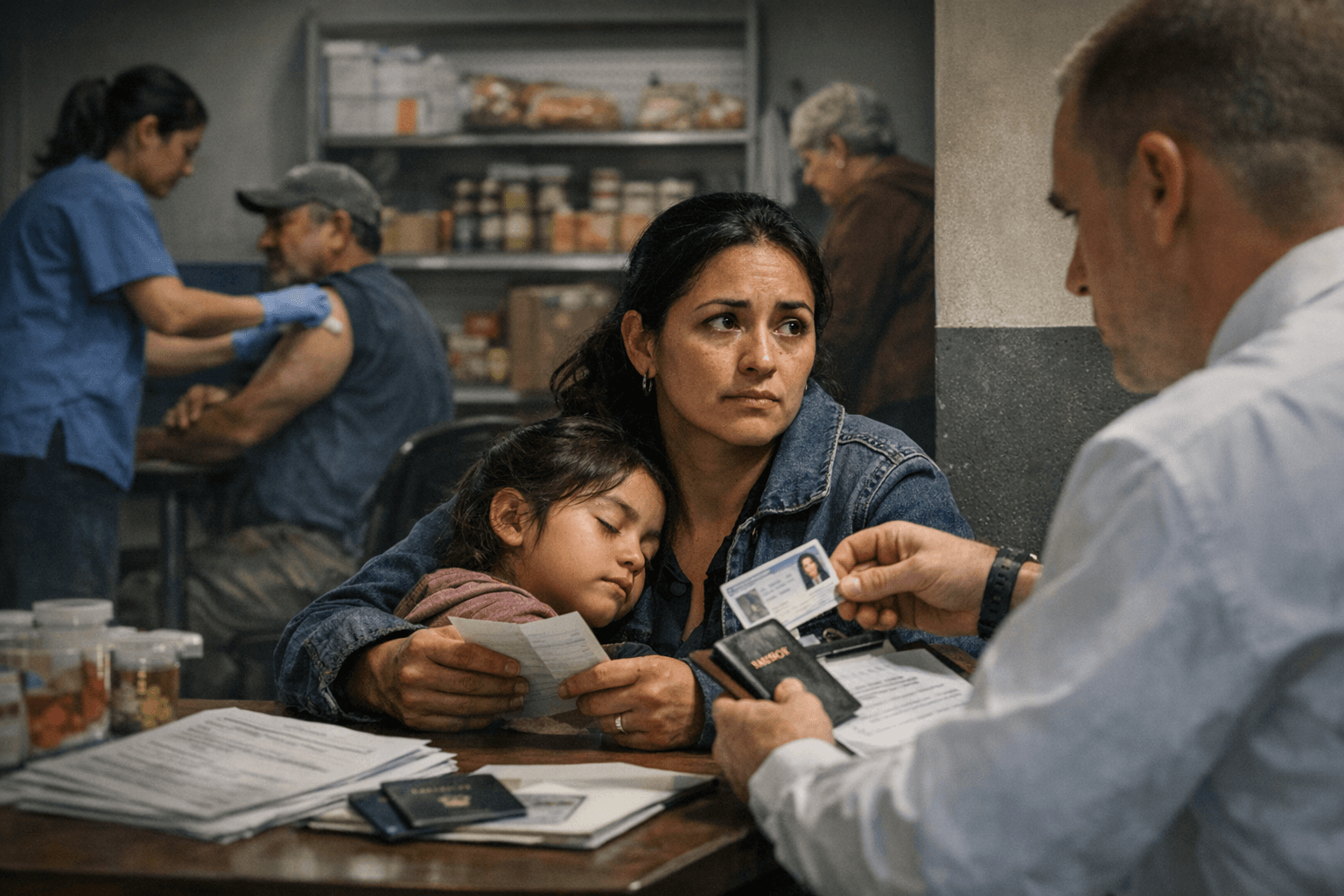
Summit County officials are opposing House Bill 88, a proposal that would require verification of lawful presence before offering certain public benefits and public services. County leaders say the bill would remove long-standing exceptions for health emergencies and routine public health services, and could force employees at health departments and nonprofit food pantries to deny care.
House Bill 88, sponsored by Rep. Trevor Lee of Davis County, would require verification of lawful presence for anyone 18 and older seeking exempt state public assistance programs, including vaccines, communicable disease testing and food assistance. The bill is moving through Utah’s 2026 legislative session and is being considered by the Law Enforcement and Criminal Justice Committee.
Summit County Councilor Megan McKenna warned of administrative and moral consequences. “It’s hard to imagine what this would look like if it were put into law,” McKenna said. “Requiring public health officials or nonprofit employees to verify citizenship would be a tremendous burden, not only on staff and the resources required to do that, but because it asks people to deny services. … Asking them to deny people in need of assistance, whether it’s public health or food, is just cruel.”
Phil Bondurant, Summit County health director, framed the proposal as a public health risk and an operational challenge. “For us, health doesn't know boundaries,” Bondurant said. “So, if there's someone here that has not had an opportunity to receive the measles, mumps and rubella vaccine, but wants to protect themselves, we want that immunity in this community because it helps provide herd immunity, or that protection that we rely on to limit the amount of time that our disease investigators would have to spend in the event there was a measles exposure. For us, it's about seeing people, helping people and keeping everyone in this community healthy.” Bondurant added that the department would likely face additional patient check-in time and might need to purchase equipment or send staff to training sessions to comply.
County health staff point out that current Summit County programs are “open to everyone, no questions asked,” a policy they say preserves access to immunizations, testing and basic needs. The latest version of the bill would remove exceptions for health emergencies, immunizations, treatments for communicable diseases and assistance from both nonprofit and government-run food pantries, county officials say.
Gina Cornia, executive director of Utahns Against Hunger, is urging constituents to contact members of the Law Enforcement and Criminal Justice Committee where the bill is being considered. Local advocates and public health officials say the practical effect could be fewer people receiving vaccines such as measles, mumps and rubella, reduced herd immunity, increased workload for disease investigators during exposures, and new administrative burdens on clinics and food providers.
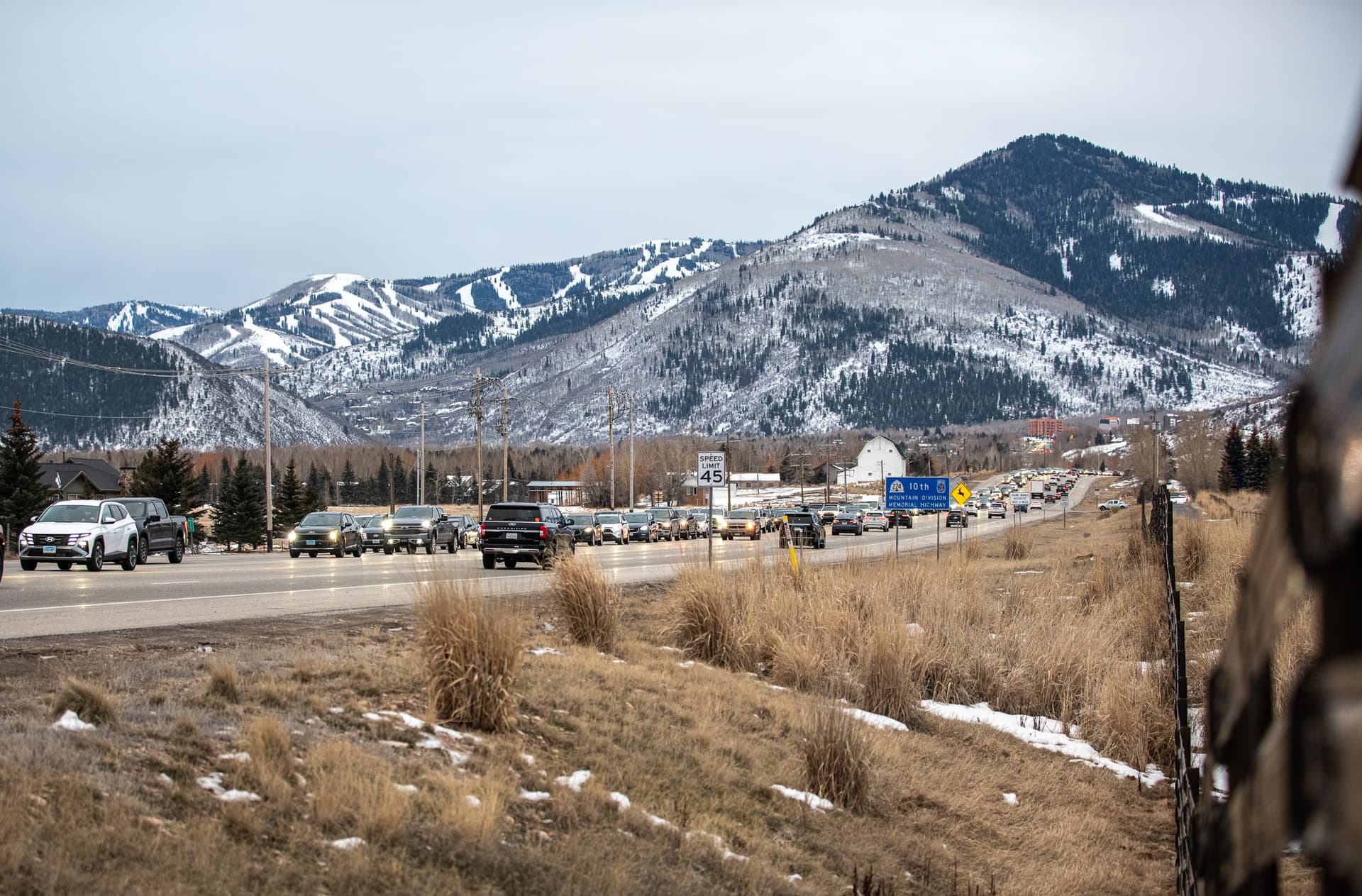
For Summit County residents, the debate is about access to essential services in Park City and the Wasatch Back. County leaders will continue lobbying as the bill progresses through the legislature. Residents who are concerned about potential limits on immunizations, disease testing or food assistance are being encouraged to engage with committee members and monitor upcoming legislative action.
Know something we missed? Have a correction or additional information?
Submit a Tip