Super El Nino looms, but record crop stocks may blunt fallout
Record wheat and rice inventories are giving El Niño a larger buffer than past shocks, but forecasters warn the weather risk is still real.
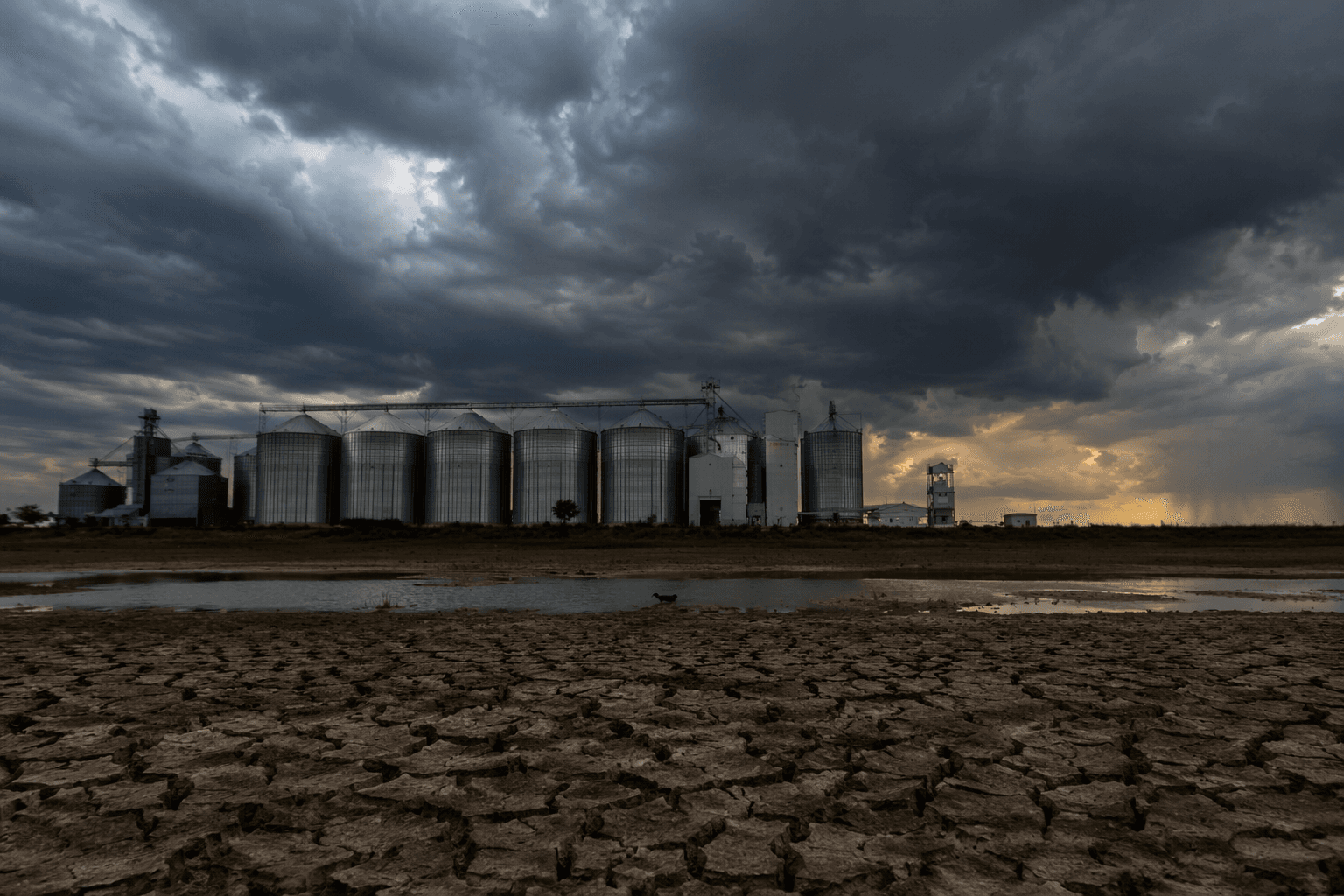
Record wheat and rice stockpiles are giving the world a stronger cushion as a super El Niño builds, but they do not erase the threat of a sharper food shock. Forecasters say the Pacific pattern is likely to intensify over the coming months, bringing heat and dryness to much of Asia and heavier rains to the Americas just as markets lean on unusually large grain reserves.
The World Meteorological Organization said in June 2026 that El Niño conditions had an 80% chance of emerging during June to August 2026, rising to around 90% through November and the rest of the forecast period. NOAA’s Climate Prediction Center said El Niño conditions were already present and expected to strengthen into the Northern Hemisphere winter of 2026-27. That timing matters because the current supply picture is far different from the one that met earlier El Niño events.
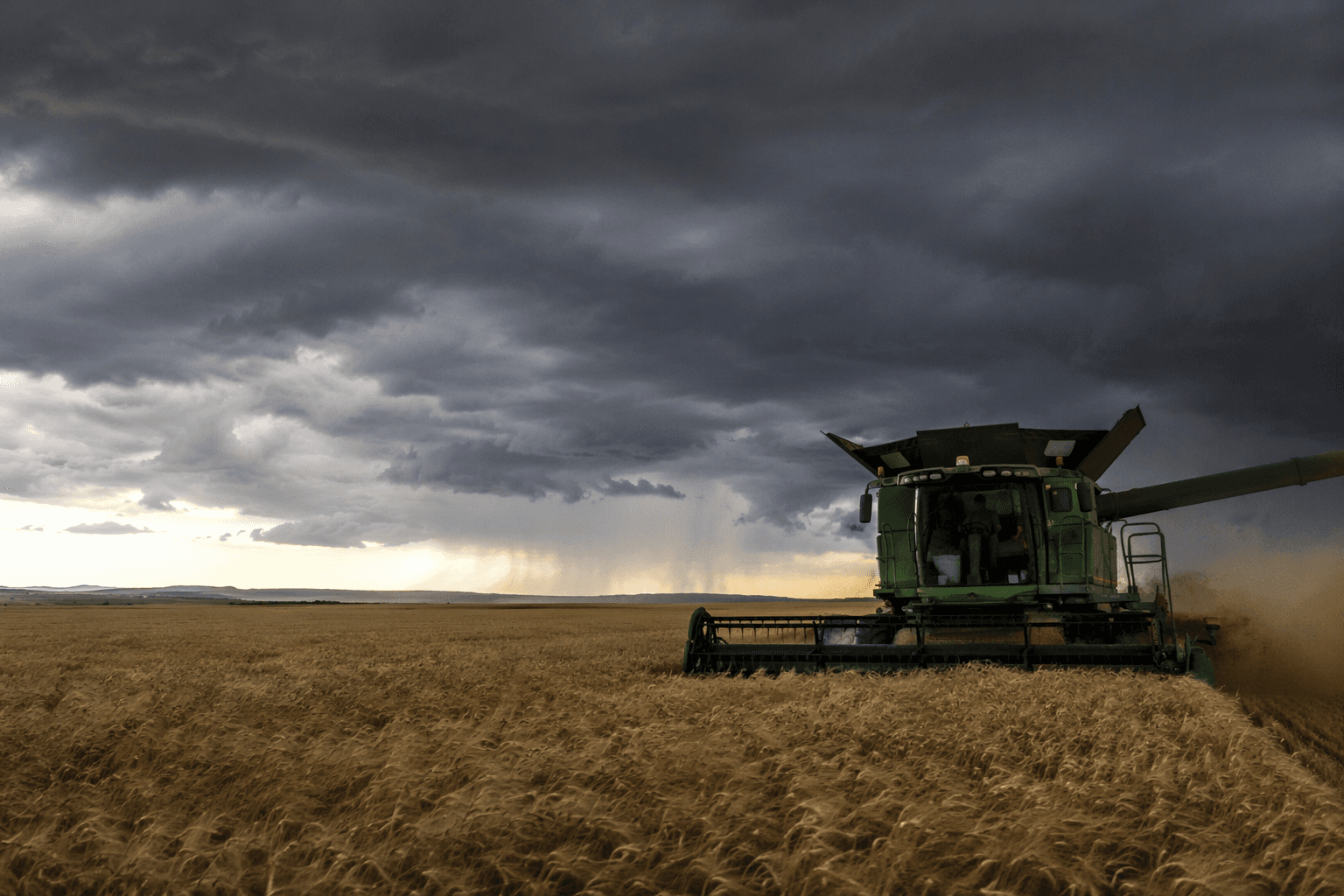
Shirley Mustafa, an economist at the United Nations Food and Agriculture Organization, said there is a silver lining in the current inventory situation. FAO’s June 5 cereal brief estimated global cereal stocks at the end of 2025 at 952.2 million tonnes, 9.5% above opening levels, and projected world cereal production to fall 2.0% in 2026/27 to 2,982 million tonnes, while stocks were still expected to stay comfortable at 949.0 million tonnes. Reuters said world wheat stocks were forecast to reach 279.95 million metric tons at the start of the new crop year on July 1, the highest in five years.
That buffer is strongest in wheat and rice. USDA’s June WASDE raised global 2026/27 wheat supplies to 1,100 million tons and lifted Russia’s wheat crop estimate to 88.0 million tons on near-ideal weather and above-average rainfall. Russia, the world’s biggest wheat exporter, is harvesting a bumper crop, and traders say millers in importing countries are not worried about near-term supply because of the Black Sea harvest. Even so, the USDA cut U.S. wheat production and ending stocks, showing that some major producers remain more exposed than the global balance sheet suggests.
Rice supplies look even more comfortable. Reuters said world milled rice reserves reached 196.16 million tons at the start of 2026, an all-time high, and that India holds stocks about five times its government target while accounting for about 40% of global rice exports. That reduces the chance of panic buying and makes export restrictions less likely in the near term, even though India has historically tightened shipments when El Niño strains production. Indonesia’s large stockpile and early planting efforts also point to governments trying to get ahead of disruption rather than react to it.
History still argues for caution. The last super El Niño in 2015-16 brought droughts, floods and record global temperatures, while the 1997-98 event caused devastating floods, wildfires and crop losses, with the World Bank estimating structural losses at US$36 billion. The likely outcome this time is not immunity but delay: record inventories may soften the first price shock, yet consumers could still face tighter markets if drought hits key exporters such as Russia, Ukraine, the United States or major Asian suppliers at the same time.
This article was produced by Prism’s automated news system from verified source data, official records, and press releases, then run through automated quality and moderation checks before publishing. The system is built and supervised by the people who set the standards it runs under. Read our full AI policy.
Know something we missed? Have a correction or additional information?
Submit a Tip