Supreme Court backs Trump on green card deportation authority
A 6-3 ruling gave immigration officers wider room to act against green card holders accused of crimes, backing the removal case against Muk Choi Lau.
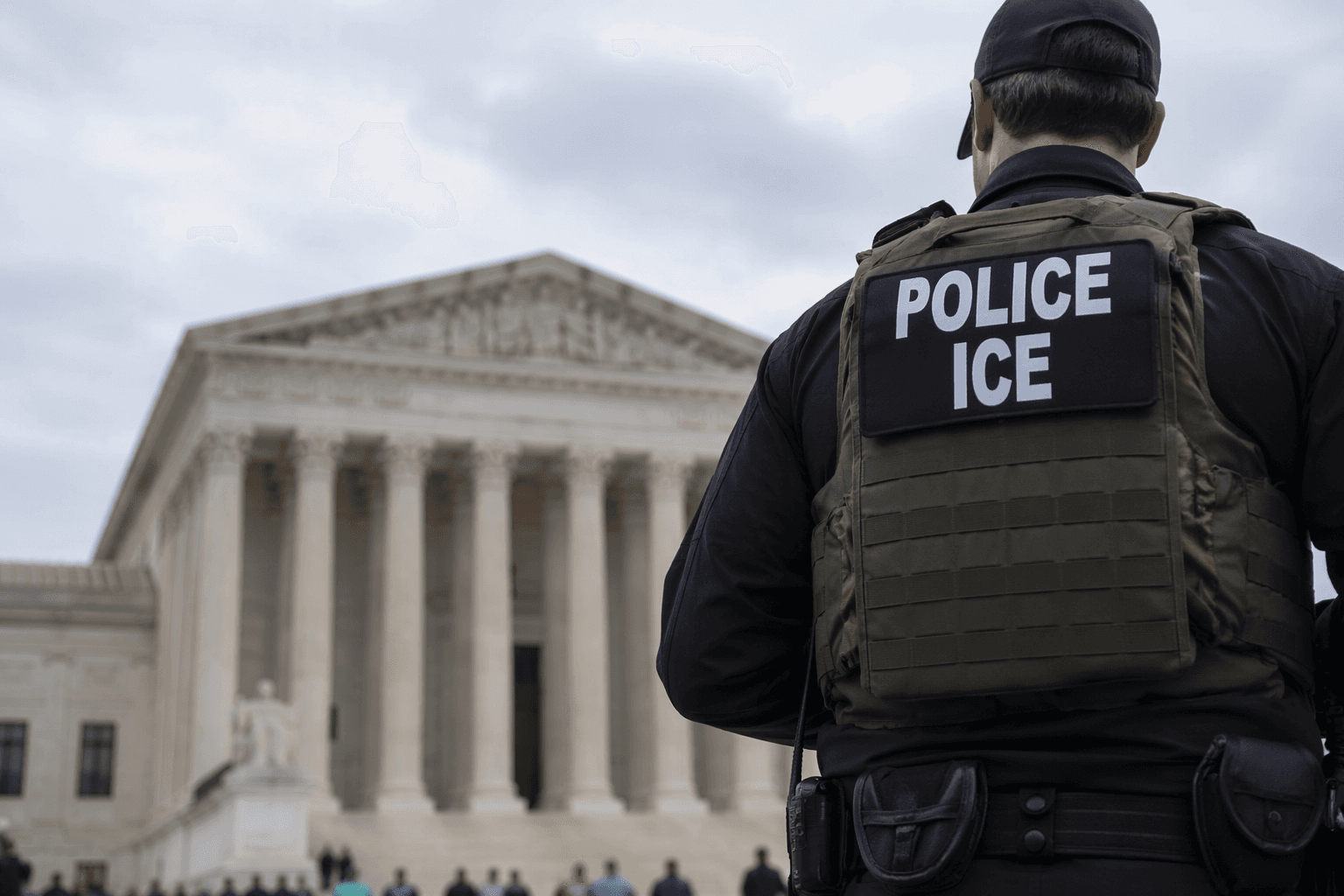
The Supreme Court on Tuesday gave the Trump administration a broader tool against lawful permanent residents accused of crimes, siding 6-3 in a case that could make it easier for the government to push green card holders into removal proceedings. For immigrants with permanent status, the practical effect is immediate: federal officers now have wider authority to act first and require the challenge to come later.
The case centered on Muk Choi Lau, a lawful permanent resident who returned from a short trip to China in 2012 and was placed on immigration parole after an immigration officer said he had been accused of a counterfeiting crime. Lau argued that the officer went too far and opened the door to deportation proceedings before the underlying criminal case had fully played out. The court rejected that argument, with Justice Clarence Thomas writing that border officers did not have to prove by clear and convincing evidence that Lau had committed a crime involving moral turpitude before taking action.
The ruling arrives as the court weighs several immigration disputes amid President Donald Trump’s sweeping crackdown. The administration had argued for a broad reading of executive power, saying that suspicion of a crime was enough to place a lawful permanent resident on immigration parole. That approach, now backed by the court’s conservative majority, gives immigration officers more room to move quickly in cases involving alleged criminal conduct, even when conviction has not yet been established.
The decision could reach well beyond Lau’s case. The Alliance for Justice said the ruling could open a wider path for revoking permanent residence, while a group founded by former Vice President Mike Pence praised the outcome as a way to remove people who abuse the privilege of lawful permanent resident status. For attorneys representing immigrants, the message is stark: the government has been given more leverage in disputes where criminal suspicion and immigration enforcement overlap.
Justice Ketanji Brown Jackson’s dissent framed the stakes in sharper terms, saying the decision left Lau in immigration limbo before any conviction and warning that it handed the government a “massive blank check.” The split reflected a larger pattern at the court, where immigration law has repeatedly become a test of how much deference federal authorities should receive when they treat criminal accusations as grounds for swift immigration action.
This article was produced by Prism’s automated news system from verified source data, official records, and press releases, then run through automated quality and moderation checks before publishing. The system is built and supervised by the people who set the standards it runs under. Read our full AI policy.
Did this article answer your question?

