Supreme Court bars Rastafarian inmate from suing Louisiana prison officials
A Louisiana inmate said guards trashed a Fifth Circuit ruling, pinned him down and shaved his dreadlocks, but the Supreme Court said he still cannot seek money damages.
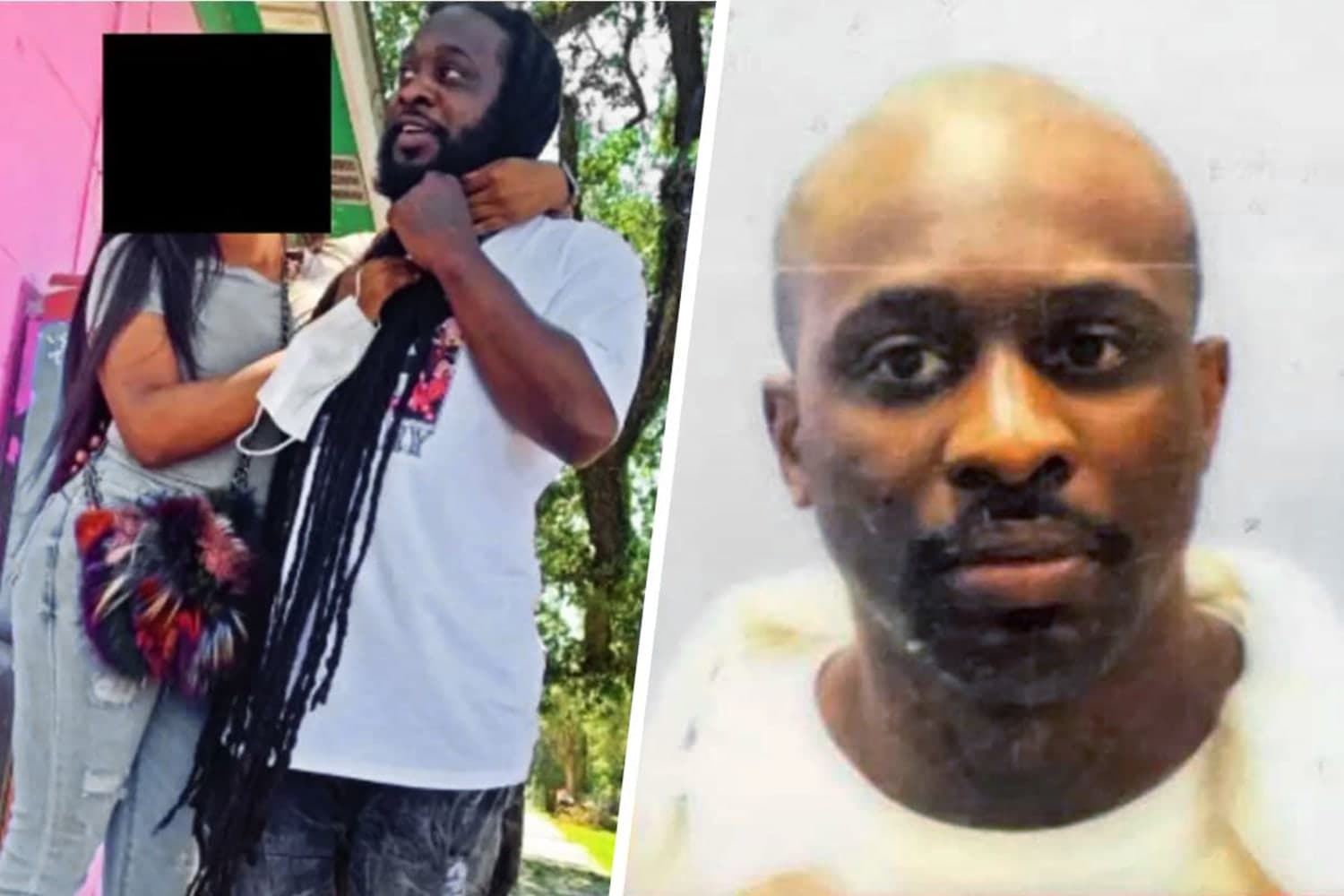
Damon Landor’s claim began with dreadlocks and ended with a hard limit on remedies. The Supreme Court ruled that the Rastafarian inmate cannot sue Louisiana prison officials for money damages under the federal law designed to protect prisoners’ religious exercise, even as the justices condemned the treatment he said he suffered.
Landor was transferred in 2020 to the Raymond Laborde Correctional Center with just three weeks left on his sentence. He said he showed prison staff a copy of Ware v. Louisiana Department of Corrections, a 2017 Fifth Circuit ruling that Louisiana’s hair-cutting policy for Rastafarians violated the Religious Land Use and Institutionalized Persons Act of 2000, known as RLUIPA. According to the Fifth Circuit’s account, a guard threw Landor’s papers in the trash, summoned the warden, and prison staff pinned him down and shaved his head bald.

The case turned less on whether Landor had been mistreated than on what the law allows after the fact. RLUIPA was enacted in 2000 to shield the religious rights of prisoners and other institutionalized people, but Landor’s lawsuit for damages ran into a wall in the lower courts. The U.S. District Court for the Middle District of Louisiana and then the U.S. Court of Appeals for the Fifth Circuit rejected his individual-capacity damages claims, relying on prior circuit precedent. On June 23, 2025, the Supreme Court agreed to take the case, and it heard oral argument in November 2025.
By June 23, 2026, the justices had answered the narrow legal question in a way that leaves prisoners with less leverage when rights are violated after the moment has passed. The Court barred Landor from suing prison officials for money damages under RLUIPA, reinforcing a split between recognizing a possible religious-rights violation and providing a practical remedy for it.
That tension was central to the case’s broader significance. The Becket Fund for Religious Liberty and Rastafari scholars argued in support of damages, saying prisoners can be transferred or released before they have any real chance to win injunctive relief. For inmates, the ruling means a constitutional or statutory wrong can be acknowledged while compensation remains out of reach. For everyone else, it is a reminder that a right without a usable remedy can leave the injury intact.
This article was produced by Prism’s automated news system from verified source data, official records, and press releases, then run through automated quality and moderation checks before publishing. The system is built and supervised by the people who set the standards it runs under. Read our full AI policy.
Know something we missed? Have a correction or additional information?
Submit a Tip