Supreme Court cases could reshape voting rules before November elections
A ballot-deadline fight in Mississippi and a GOP spending challenge could shift November races by changing who votes, how ballots count and how parties spend.

President Donald Trump and Republicans have already gained an edge in the fight over congressional maps, and the Supreme Court could widen it before November by changing who votes, how ballots count and how parties can spend. On April 29, the court ruled 6-3 in Louisiana v. Callais that Louisiana’s second majority-Black congressional district was an unconstitutional racial gerrymander, a decision that reaches beyond one state and could shape how legislatures draw maps in the next round of redistricting battles.
The next flash point is Mississippi’s mail-ballot deadline. In Watson v. Republican National Committee, argued March 23, the justices are weighing a state law that lets ballots count if they were postmarked by Election Day and arrive within five business days after. Mississippi adopted the grace period in 2020, and at least 16 other states plus Washington, D.C., use similar rules for all voters. A majority of states also give military voters comparable leeway. Republicans argue the deadline invites uncertainty. Democrats say cutting off late-arriving ballots would hit mail voters harder, even though evidence of mail-voting fraud is rare and Democrats use mail ballots more often than Republicans.

That case is not just about Mississippi. If the court tightens the rule, election officials in states with grace periods would have to move faster on counting and certification, and campaigns would have to recalibrate turnout operations around a sharper Election Day cutoff. In close House and Senate races, even a small pool of ballots arriving after Election Day can matter, especially in states where postal delays have become part of the political calculus.

Another case could change how much help party committees can give their candidates. In NRSC v. Federal Election Commission, Republicans are asking the court to weaken longstanding limits on coordinated spending between parties and nominees. The modern framework traces back to Buckley v. Valeo, decided Jan. 30, 1976, and later Colorado Republican campaign-finance cases. If the court sides with the challengers, party organizations could more freely align advertising and fundraising with candidates, giving committees a sharper role in the final weeks of tight contests.
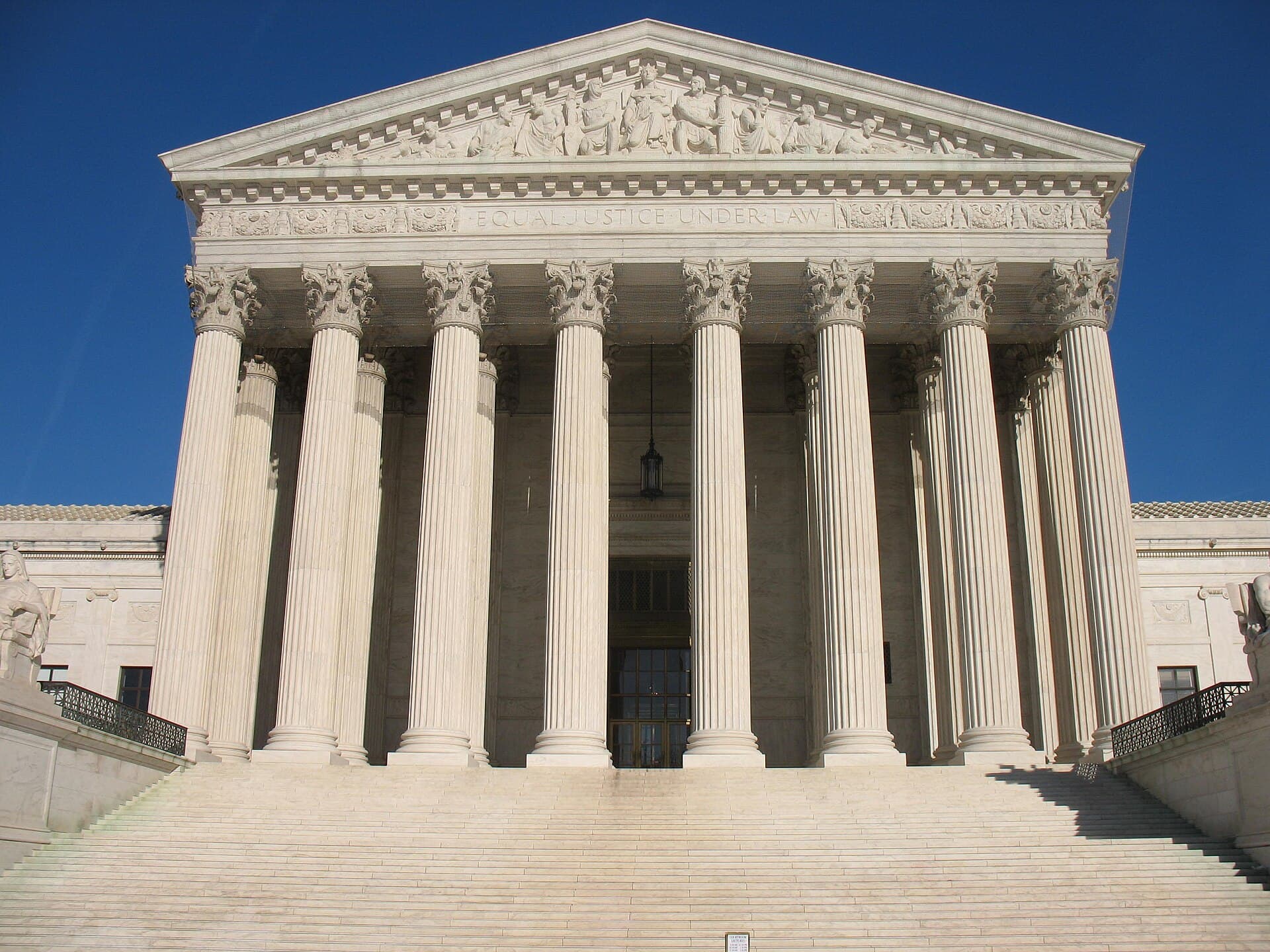
Together, the cases show how the court is influencing the mechanics of elections before a single ballot is cast. Map drawing, ballot deadlines and coordinated spending are all part of the same fight for control of Congress, and each ruling can tilt the battlefield toward the side that is better organized, better funded and better positioned to capture a few decisive districts.
This article was produced by Prism’s automated news system from verified source data, official records, and press releases, then run through automated quality and moderation checks before publishing. The system is built and supervised by the people who set the standards it runs under. Read our full AI policy.
Did this article answer your question?

