Supreme Court curbs emergency tariff power as House Republicans split
Supreme Court limited Trump's IEEPA tariff authority Feb. 20, prompting a 219–211 House rebuke and fractured GOP votes that threaten consumer prices and health care affordability.
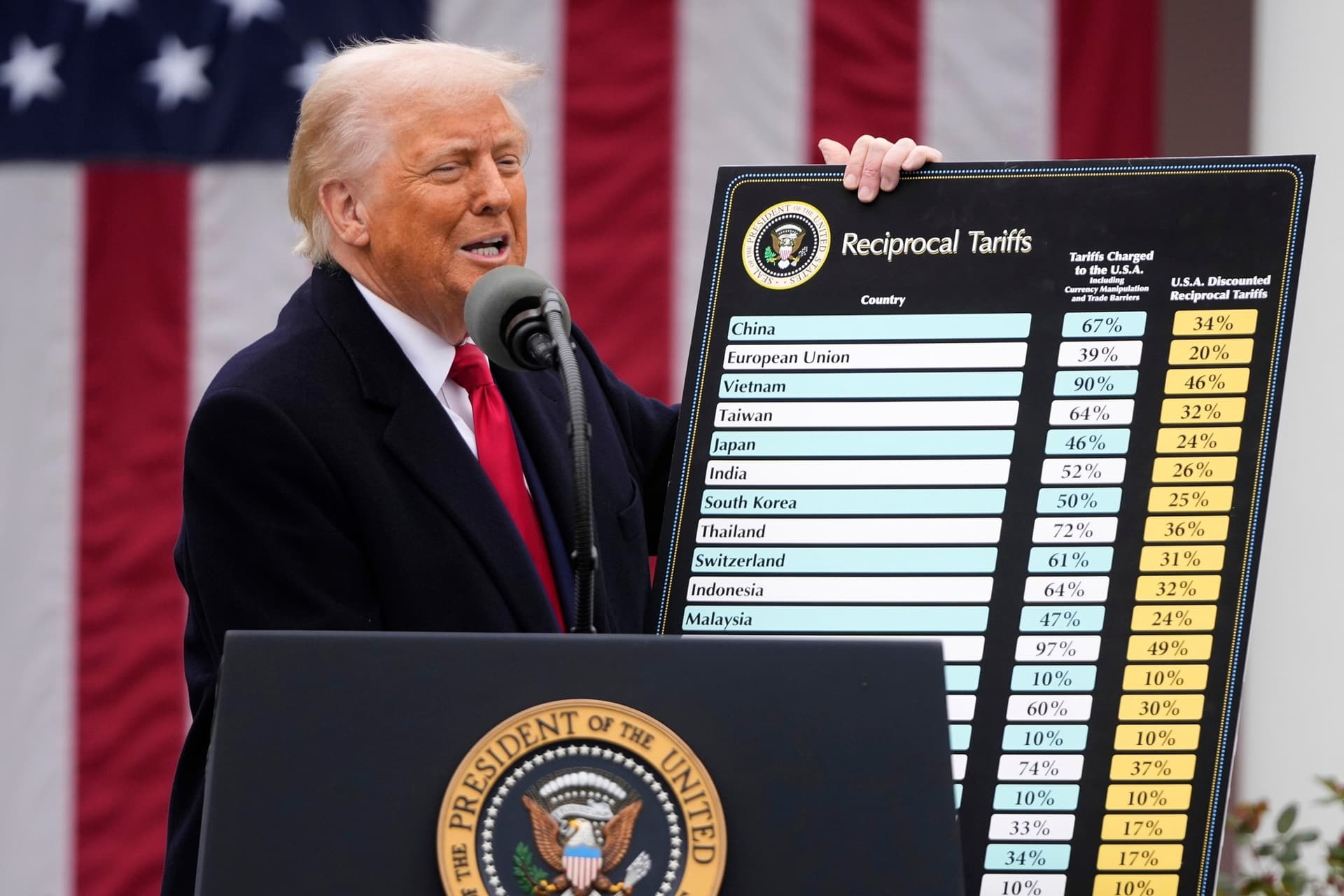
The Supreme Court curtailed President Trump’s use of emergency tariff authority in Learning Resources, Inc. v. Trump, a ruling that has left Congress and the White House scrambling for statutory fixes and short-term workarounds. The decision, reported Feb. 20, erased a major tool the administration used to impose sweeping duties and immediately sharpened divisions inside the Republican conference.
In the House, lawmakers approved a resolution to disapprove of the national emergency used to raise tariffs on Canada by a 219–211 margin. Six House Republicans, Kevin Kiley of California, Thomas Massie of Kentucky, Don Bacon of Nebraska, Brian Fitzpatrick of Pennsylvania, Jeff Hurd of Colorado and Dan Newhouse of Washington, joined Democrats to oppose the tariffs. A separate procedural fight earlier this month saw Representatives Massie, Bacon and Kiley break with GOP leaders in a 217–214 vote to block a rules change that would have prevented votes on tariff objections through July 31, clearing the way for additional repeal efforts.
The measure now heads to the Senate, where Republican defections may be decisive. Senators Susan Collins, Lisa Murkowski, Mitch McConnell and Rand Paul have signaled opposition to the administration’s tariff approach in recent months, and analysts say the upper chamber could pass the House resolution. Even if the Senate approves it, the president has said he will veto any repeal; Congress is unlikely to assemble the two-thirds majorities required to override.
The political tug of war has immediate economic consequences for households and communities. Democrats on the Joint Economic Committee estimate sweeping import taxes cost the average American household almost $1,200 between February and November last year. Polling shows broad public skepticism: a Pew Research Center survey cited by Newsweek found 60 percent of Americans disapprove of Trump’s tariff policies, and a November POLITICO poll found 45 percent of respondents said higher tariffs damage the U.S. economy in both the short and long term. Marquette Law School polling indicates approval of the president’s handling of tariffs has trailed his overall approval consistently, and in January 63 percent of respondents said the Court should rule against the administration, including 33 percent of Republicans.
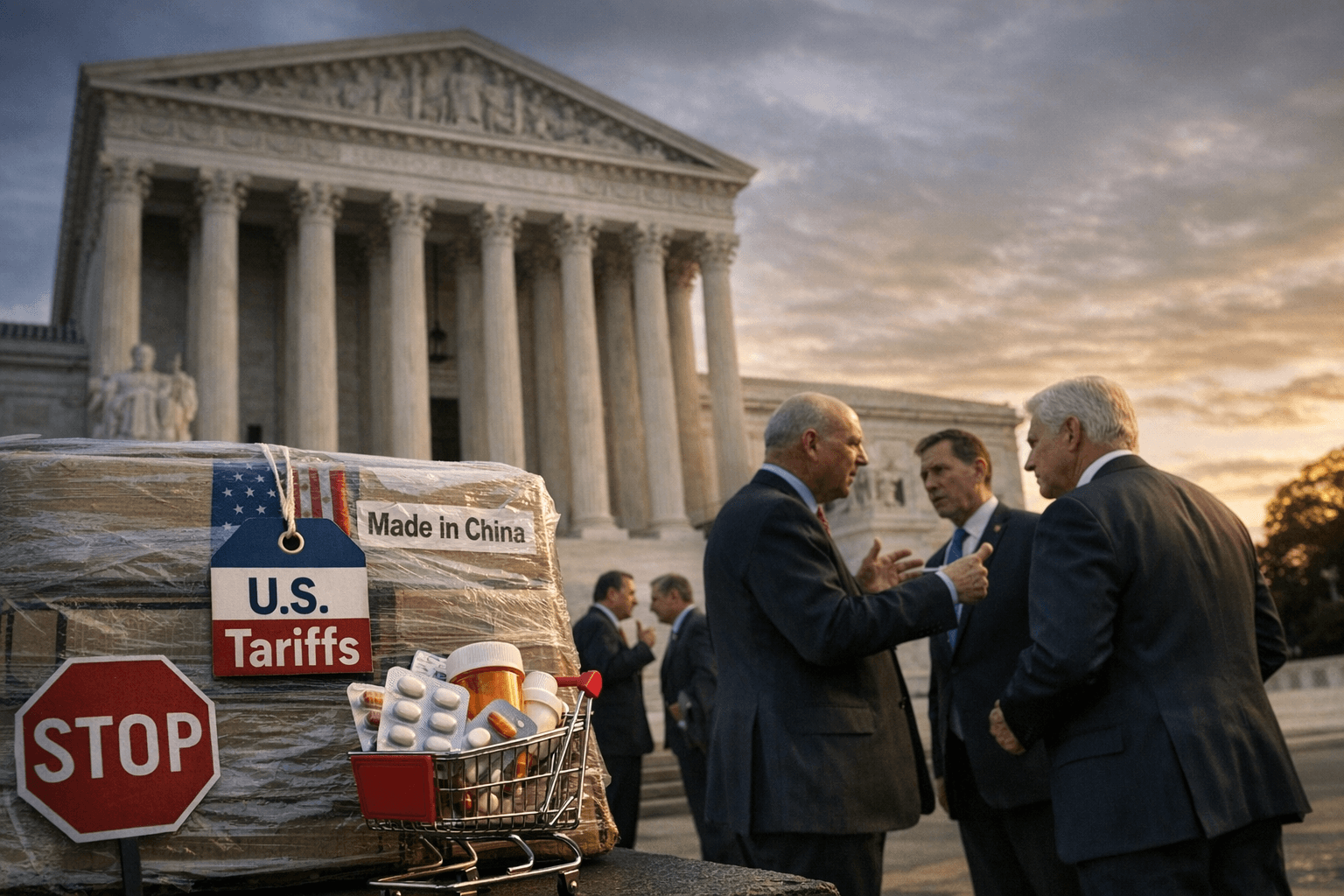
The debate is not simply about trade doctrine; it is about real costs borne unequally across the population. Tariffs raise prices on imported goods and on U.S.-made products that rely on global supply chains, squeezing low-income families who spend a larger share of income on essentials and health care. Advocates warn that higher consumer prices can worsen medication affordability and limit access to medical supplies for safety-net providers in rural and urban low-income communities.
The White House has signaled alternate routes. The president announced he would press a 10 percent “global tariff” under Section 122, a short-term measure that requires congressional approval for any period beyond 150 days, and has warned Republican lawmakers who oppose his strategy. Peter Navarro, the administration’s senior counselor for trade, is backing new legislation, a Cassidy-Whitehouse “last sale” bill introduced Wednesday, that would require U.S. Customs and Border Protection to calculate duties on the final price paid by U.S. buyers, a move advocates say could raise collected tariffs without invoking emergency authority.
Lawmakers on both sides face tangible choices between protecting consumers and responding to an administration that argues tariffs safeguard domestic industry. “Only Congress can ensure that these agreements provide lasting stability beyond any single administration,” Rep. Adrian Smith said, while Rep. Don Bacon said he felt “vindicated” by the court’s ruling. For communities still reeling from higher living costs, the outcome will determine whether the next round of trade policy eases the pressure on household budgets and health care access or amplifies it.
This article was produced by Prism’s automated news system from verified source data, official records, and press releases, then run through automated quality and moderation checks before publishing. The system is built and supervised by the people who set the standards it runs under. Read our full AI policy.
Did this article answer your question?