Supreme Court leaves whistleblower fraud law intact in Lilly case
The justices left a $183 million-plus Medicaid fraud judgment against Eli Lilly in place, keeping a Civil War-era whistleblower law at the center of federal fraud enforcement.

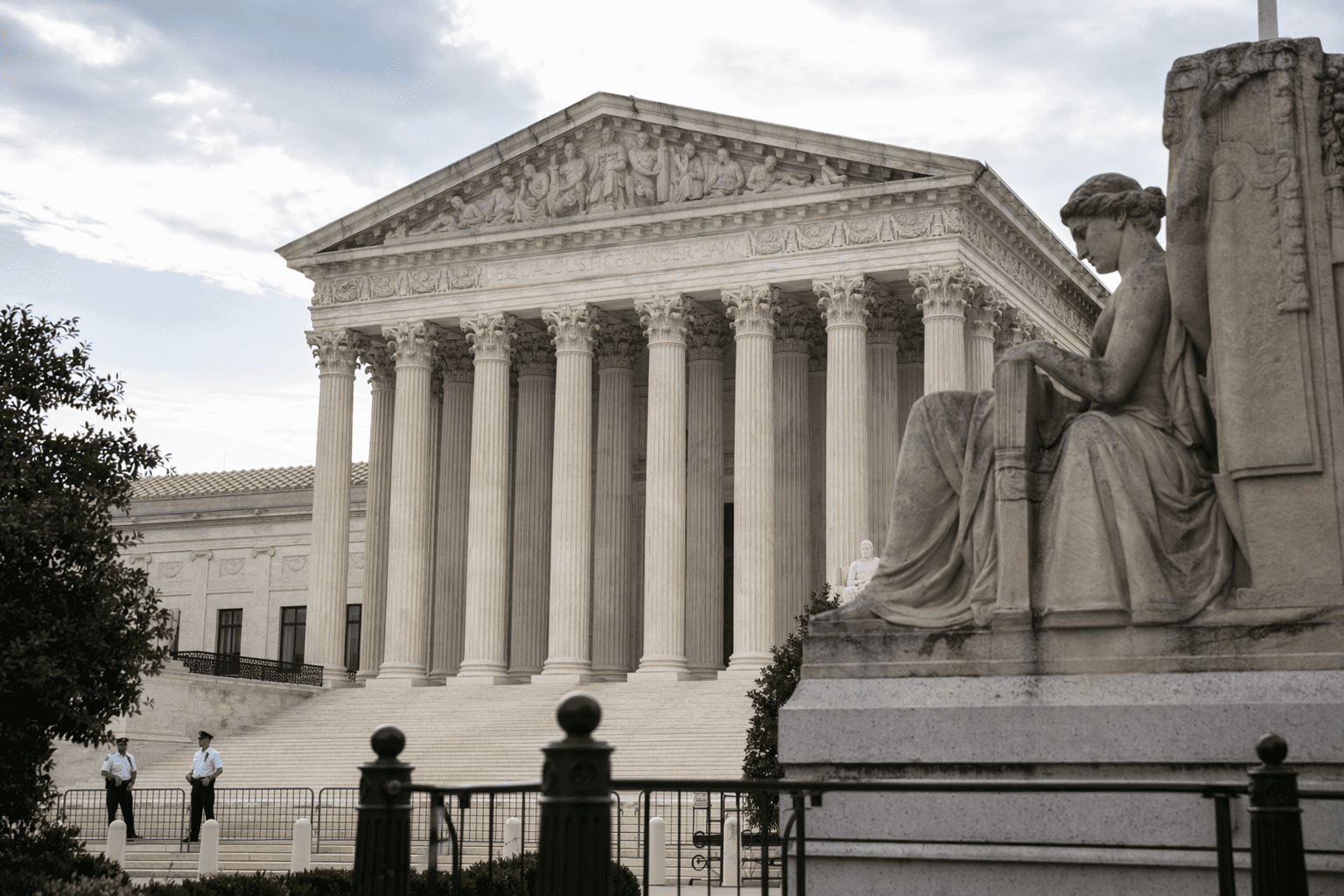
The Supreme Court preserved one of Washington’s most potent anti-fraud tools Monday, refusing to hear Eli Lilly’s bid to strike down the whistleblower statute that powered a Medicaid fraud case against the drugmaker.
By declining review, the justices left intact a lower-court judgment that has been described as $183 million, $183.7 million and $194 million, depending on the stage of the case and rounding. The court issued no merits ruling and gave no explanation, but the effect was clear: the False Claims Act’s qui tam structure remains standing for now.
The case began in 2014, when Ronald Streck, a lawyer and pharmacist, sued Eli Lilly on the government’s behalf. A federal jury found in 2022 that the company knowingly concealed retroactive price increases on some drugs and failed to rebate Medicaid on the higher prices. The jury initially awarded about $61 million, and that amount was tripled under the False Claims Act’s damages rules. The U.S. Court of Appeals for the Seventh Circuit upheld the verdict in 2025.
Lilly’s petition did not just challenge one judgment. The company argued that the law itself is unconstitutional because it lets private citizens enforce federal law on behalf of the United States and share in the recovery. The Supreme Court’s refusal to take the case leaves that framework in place, including for whistleblowers who believe they have evidence that a company overbilled the government, misreported prices or otherwise defrauded public programs.
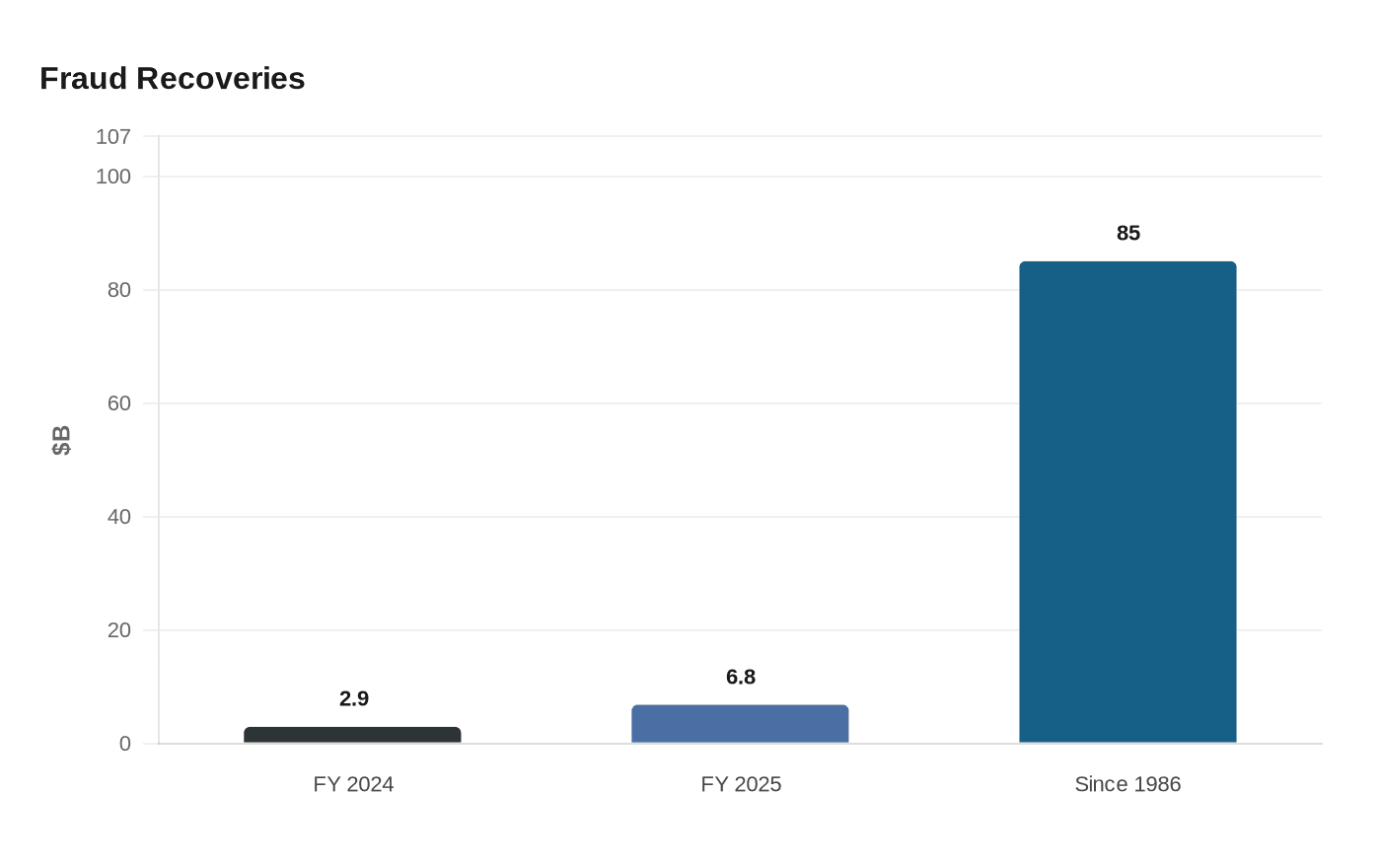
That matters well beyond Indianapolis. The False Claims Act, first enacted in 1863 and substantially strengthened in 1986, has become a central mechanism for recovering money in Medicare and Medicaid fraud cases. The Justice Department said it collected more than $2.9 billion in settlements and judgments in fiscal 2024 and a record $6.8 billion in fiscal 2025, with whistleblowers filing 1,297 qui tam lawsuits that year. Since the 1986 amendments, DOJ says the law has recovered more than $85 billion.
For drugmakers, the ruling keeps a major liability channel open at a moment when prescription pricing, Medicare costs and federal oversight of pharmaceutical billing remain under intense scrutiny. Lilly also said the case conflicted with a 2018 Philadelphia appeals ruling in a similar dispute involving Streck and other drugmakers, underscoring the unresolved split over whether qui tam suits fit the Constitution. For now, the Supreme Court left that fight untouched and preserved a law that continues to give private whistleblowers a direct role in policing fraud against the government.
Know something we missed? Have a correction or additional information?
Submit a Tip