Supreme Court lets Alabama use Republican-friendly House map
The court’s unsigned order reopened Alabama’s map that would erase one Black-opportunity district, a change that could help Republicans add a House seat.

The Supreme Court cleared Alabama to use a congressional map that is more favorable to Republicans, allowing the state to move ahead with a plan that had been blocked by lower courts as discriminatory to Black voters.
The unsigned order issued Tuesday, June 2, opened the door to a map that eliminates one of Alabama’s two districts where Black voters make up a majority or near-majority. That shift carries immediate electoral consequences: it could help Republicans win an additional House seat in the 2026 elections and strengthen their grip on a chamber where they are defending a razor-thin majority.

The court’s three liberal justices dissented. The ruling arrived in the middle of a broader redistricting fight that has become central to the battle for control of the closely divided House of Representatives, where even a single seat can alter the balance of power. In practical terms, the map change would reduce the influence of Black voters in one of the state’s congressional districts and increase the odds that Republicans can turn another Alabama seat red.
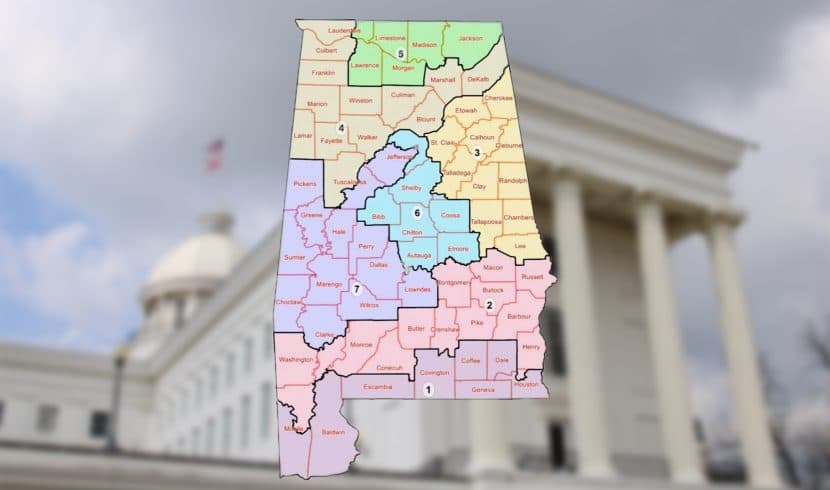
A lower court had found that Alabama’s earlier map likely violated the Voting Rights Act, but the Supreme Court said that analysis was out of step with its recent decision in Louisiana v. Callais, which made it harder for plaintiffs to prevail in some redistricting challenges. That legal turn matters far beyond Alabama. It signals that the court’s recent voting-rights decisions are shaping election maps across the South and could encourage other states to pursue similar changes.

The case is part of a political struggle that began after the 2020 census, when Alabama first drew a map that civil rights groups said diluted Black voting power. Even though the ruling is temporary while litigation continues, the practical effect is immediate: Alabama can proceed with a Republican-friendly map heading into November, giving the GOP a major advantage in a state where map lines may determine who gets a seat at the table long before voters cast ballots. The national takeaway is clear: Supreme Court redistricting decisions are not just settling legal disputes, they are actively redrawing the path to House control.
This article was produced by Prism’s automated news system from verified source data, official records, and press releases, then run through automated quality and moderation checks before publishing. The system is built and supervised by the people who set the standards it runs under. Read our full AI policy.
Did this article answer your question?

