Supreme Court lets Apple contempt fight with Epic Games continue in lower court
The Supreme Court left Apple under a contempt order, keeping pressure on its App Store fees and forcing the company back before Judge Yvonne Gonzalez Rogers.
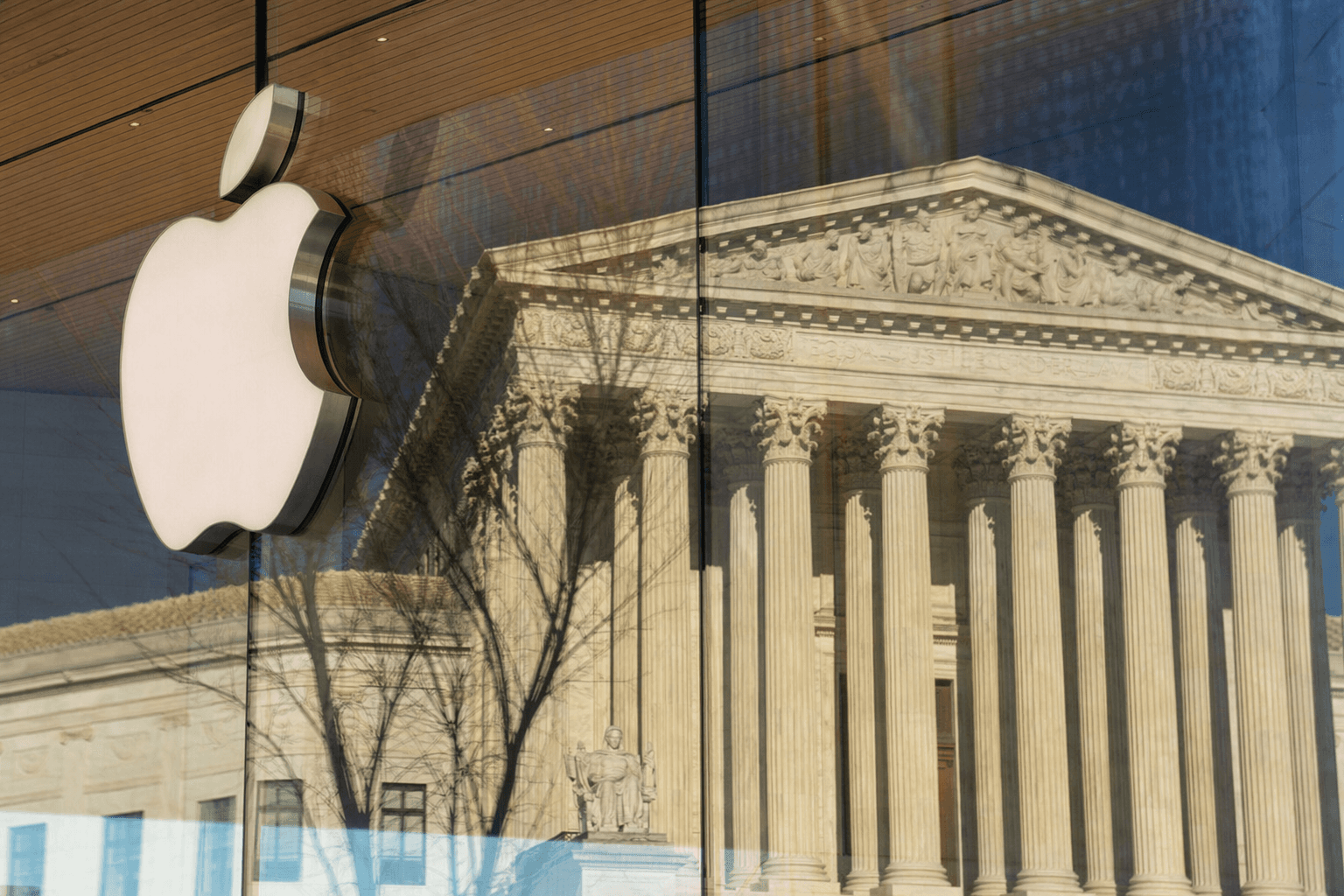
The Supreme Court left Apple exposed to a contempt fight over App Store payments, refusing to pause a lower-court order that could limit how tightly the company polices in-app purchases right now. The move keeps Apple in a costly legal battle over whether it can still steer iPhone users toward its own payment system while courts test the reach of antitrust remedies.
By declining Apple’s request to freeze the order from the 9th U.S. Circuit Court of Appeals, the justices let stand a finding that Apple had fallen out of compliance with earlier instructions to loosen control over app payments and distribution. The dispute stems from Epic Games’ 2020 lawsuit, which challenged Apple’s power over how developers reach customers on iPhones and how much they must pay to use the App Store.
The case turned on a federal judge’s earlier ruling requiring Apple to let developers direct users to outside payment options. Epic argued Apple undermined that order by creating a new 27% commission on purchases made outside the App Store if the purchase followed a link click within seven days. That fee structure became the center of the contempt fight, with the courts now wrestling with whether Apple’s workaround preserved the spirit of the original injunction or sidestepped it.
Justice Elena Kagan acted on behalf of the court in denying the pause, sending Apple back to U.S. District Judge Yvonne Gonzalez Rogers in Oakland. There, Apple will have to defend what commission, if any, it may lawfully charge on those transactions. The immediate effect is practical as much as legal: Apple must keep fighting under a contempt finding while the lower court decides how far the company can go in shaping payment behavior inside its closed ecosystem.
Epic chief executive Tim Sweeney said the Supreme Court had considered Apple’s delay motion and found it “unworthy.” Apple did not immediately comment.
The decision carries consequences beyond this one feud. It keeps pressure on one of the most important gatekeepers in mobile software and signals that the justices are not eager to give Apple a procedural escape hatch while broader app-store rules remain contested. For developers, the fight is about whether courts can force real competition inside a platform built to control distribution. For consumers, the answer could shape app prices, developer fees, and whether alternative payment systems can finally compete on more equal terms.
This article was produced by Prism’s automated news system from verified source data, official records, and press releases, then run through automated quality and moderation checks before publishing. The system is built and supervised by the people who set the standards it runs under. Read our full AI policy.
Did this article answer your question?