Supreme Court lets Holocaust survivors pursue claims against Hungary railways
The justices unanimously narrowed a Holocaust restitution case, ruling commingled funds were not enough to pierce Hungary’s immunity. The suit began in 2010 on behalf of 14 survivors and heirs.
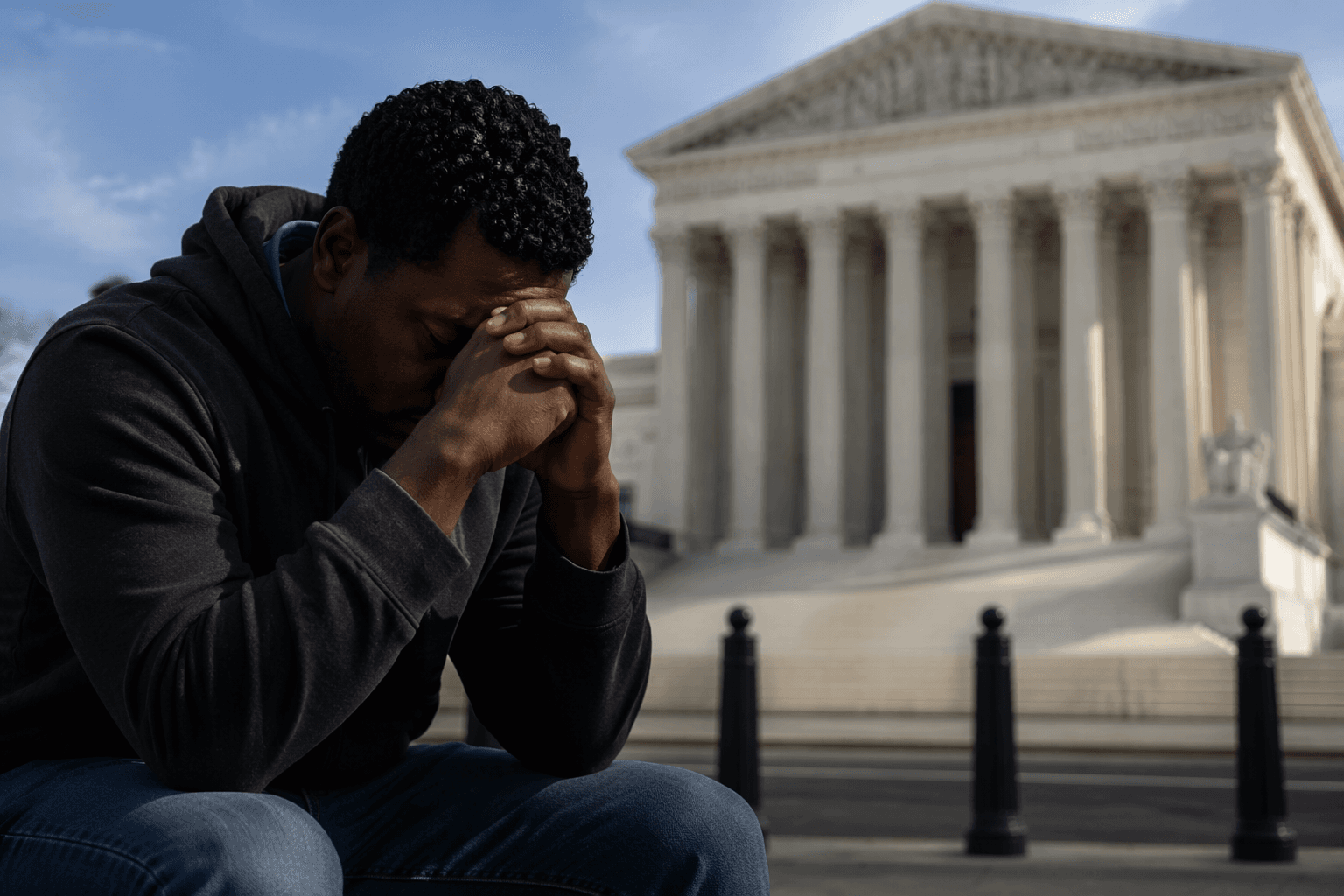
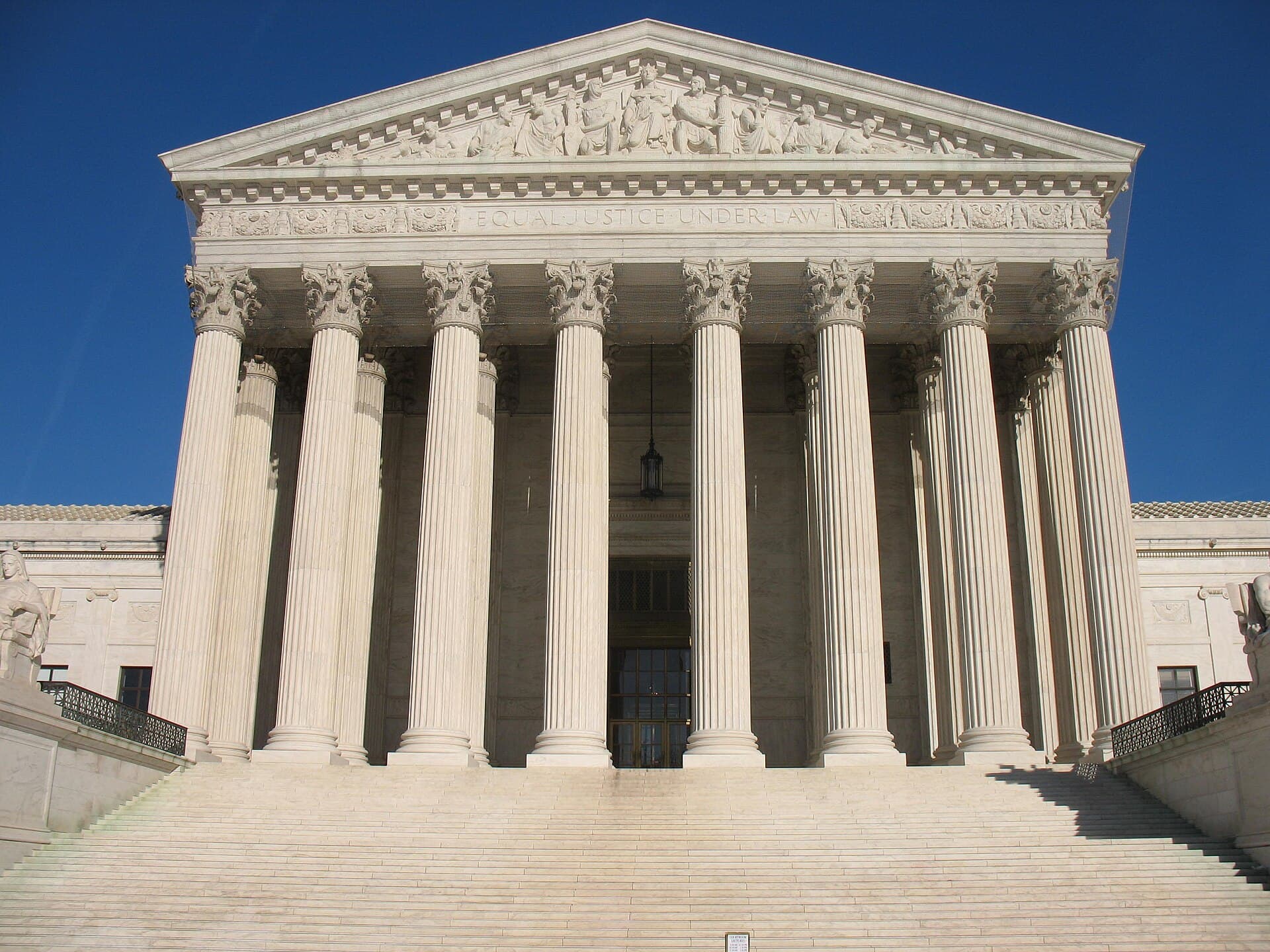
The Supreme Court on February 21, 2025, unanimously rejected a bid by 14 Holocaust survivors and heirs to keep their claims against Hungary and its state-owned railway alive in U.S. court, holding that allegations of commingled funds alone do not satisfy the Foreign Sovereign Immunities Act’s expropriation exception.
Justice Sonia Sotomayor wrote the opinion in Republic of Hungary v. Simon, a case that had been filed in 2010 and had already returned to the court once before, after a related effort involving the Hungarian State Railways was rejected in 2021. The ruling left intact the basic presumption that foreign states are immune from suit in the United States unless a narrow exception applies, and it closed off the theory that money from confiscated property could be traced into government accounts and later into U.S. commercial activity without identifying specific expropriated assets.
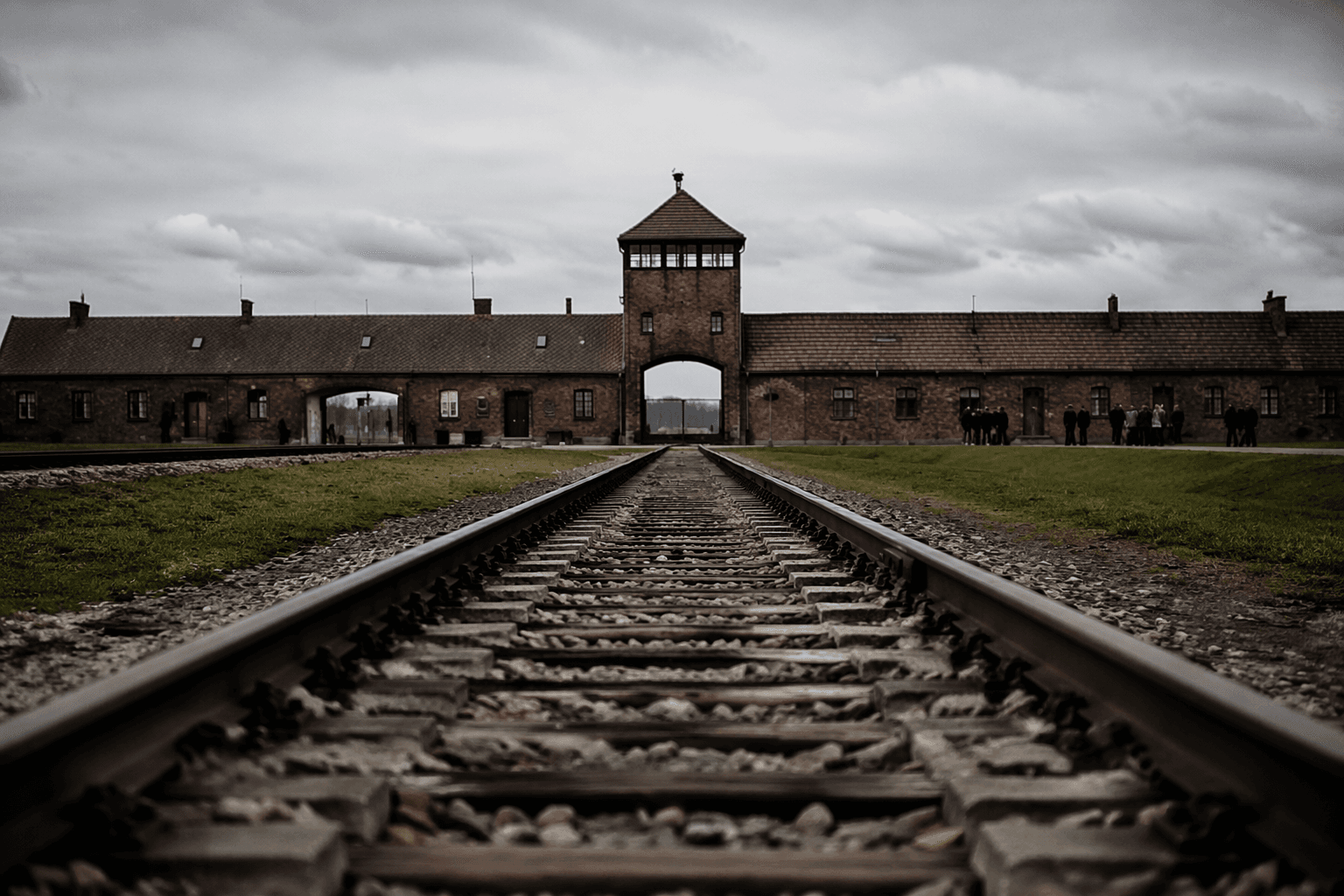
The plaintiffs had sued Hungary and Magyar Államvasutak Zrt., known as MÁV, over property allegedly seized during the Holocaust. Their claims were rooted in one of the darkest episodes in the war: from May 15 to July 9, 1944, Hungarian authorities deported about 440,000 Jews from Hungary on more than 145 trains, most of them sent to Auschwitz-Birkenau. The U.S. Holocaust Memorial Museum and the State Department have described how Hungarian gendarmerie officials, working under the guidance of German SS officials, carried out the deportations.
The historical record also reaches before the German occupation of March 1944. Hungary joined the Axis in November 1940, and the State Department has said the government under Miklos Horthy had already imposed anti-Jewish policies and forced Jewish men into labor battalions that led to at least 27,000 deaths. By the end of the war, more than two-thirds of Hungary’s prewar Jewish population, over half a million people, had been murdered.
The case carried significance beyond the fate of one group of claimants. It tested whether U.S. courts can still serve as a last resort for Holocaust-era restitution claims when foreign legal systems have not delivered relief, and how far survivors can go in suing a sovereign state and its state-linked entities decades after the crimes. The court’s ruling made clear that plaintiffs cannot rely on a broad commingling theory to invoke the FSIA’s expropriation exception, a limitation that will shape future attempts to bring historical atrocity claims into American courts.
This article was produced by Prism’s automated news system from verified source data, official records, and press releases, then run through automated quality and moderation checks before publishing. The system is built and supervised by the people who set the standards it runs under. Read our full AI policy.
Did this article answer your question?