Supreme Court lets Trump end TPS protections for Haitians and Syrians
The Supreme Court's 6-3 ruling put about 350,000 Haitians and 6,000 Syrians on the edge of deportation, while easing future TPS terminations.
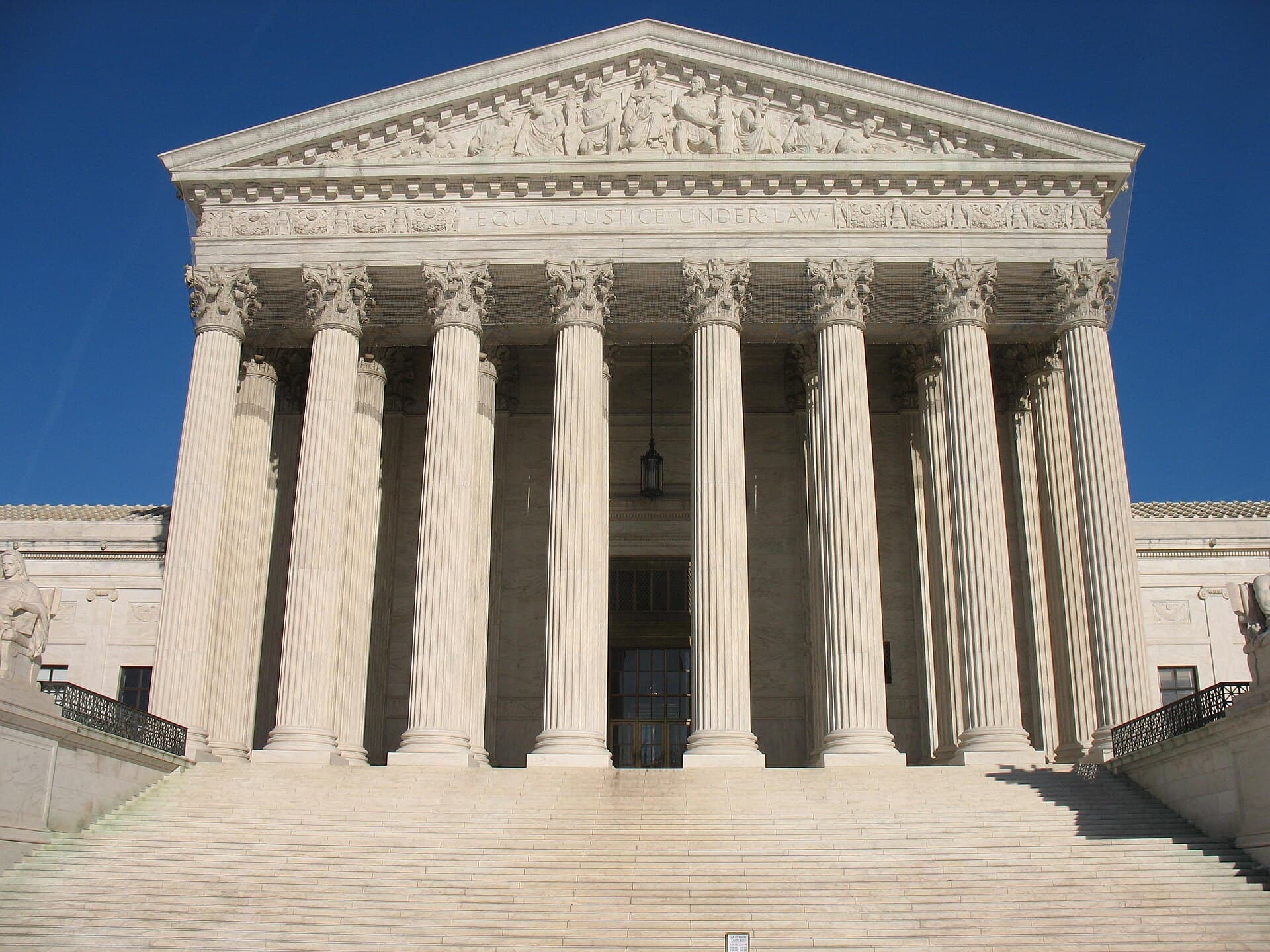
The Supreme Court on June 25, 2026, let the Trump administration move ahead with ending Temporary Protected Status for Haitians and Syrians, a 6-3 ruling that immediately exposed hundreds of thousands of people to potential deportation.
The decision affects about 350,000 Haitians and roughly 6,000 Syrians, but the shock wave reaches far beyond those two countries. Immigration advocates and legal experts said the ruling could ripple through the full TPS population of about 1.3 million people from 17 countries, many of whom have lived in the United States for decades, have American children and have worked legally for years.
In practical terms, the ruling turns long-settled residents into deportation risks almost overnight. Families that built lives around legal work permits and temporary protection now face a shifting deadline, and employers that rely on TPS workers must prepare for sudden labor losses in industries that depend on steady, authorized employees.
USCIS records show that Haiti TPS had been slated to terminate on February 3, 2026, and Syria TPS on November 21, 2025. Both terminations were stayed by lower court orders before the Supreme Court stepped in. The USCIS SAVE Policy News Archive says the Haiti designation and related benefits were set to end on February 3, 2026, and that a U.S. District Court order on February 2 stayed the termination. For Syria, the archive says the designation and related benefits were set to end on Nov. 21, 2025, and that a district court order on Nov. 19 stayed the termination.
The ruling also redraws the legal limits of TPS for future administrations. The court said the Department of Homeland Security has broad discretion to end the program and that many non-constitutional claims are not subject to judicial review, a reading that gives presidents and DHS leaders wider latitude to unwind protections without the same level of court scrutiny.
TPS currently covers nationals of 17 countries, including Haiti, Syria, Venezuela, Afghanistan, Ukraine, Yemen, Somalia, Sudan, South Sudan, Ethiopia, Cameroon, El Salvador, Honduras, Nicaragua, Nepal and Burma, also known as Myanmar. For the communities affected, the ruling is not an abstract legal shift but a direct threat to work, housing and family stability. For future administrations, it sets a stronger precedent for how quickly those protections can be withdrawn.
This article was produced by Prism’s automated news system from verified source data, official records, and press releases, then run through automated quality and moderation checks before publishing. The system is built and supervised by the people who set the standards it runs under. Read our full AI policy.
Know something we missed? Have a correction or additional information?
Submit a Tip