Supreme Court limits nationwide injunctions, boosting Trump's powers
The justices narrowed nationwide injunctions as Trump faced hundreds of lawsuits, making it harder to freeze executive actions while leaving major immigration fights unresolved.
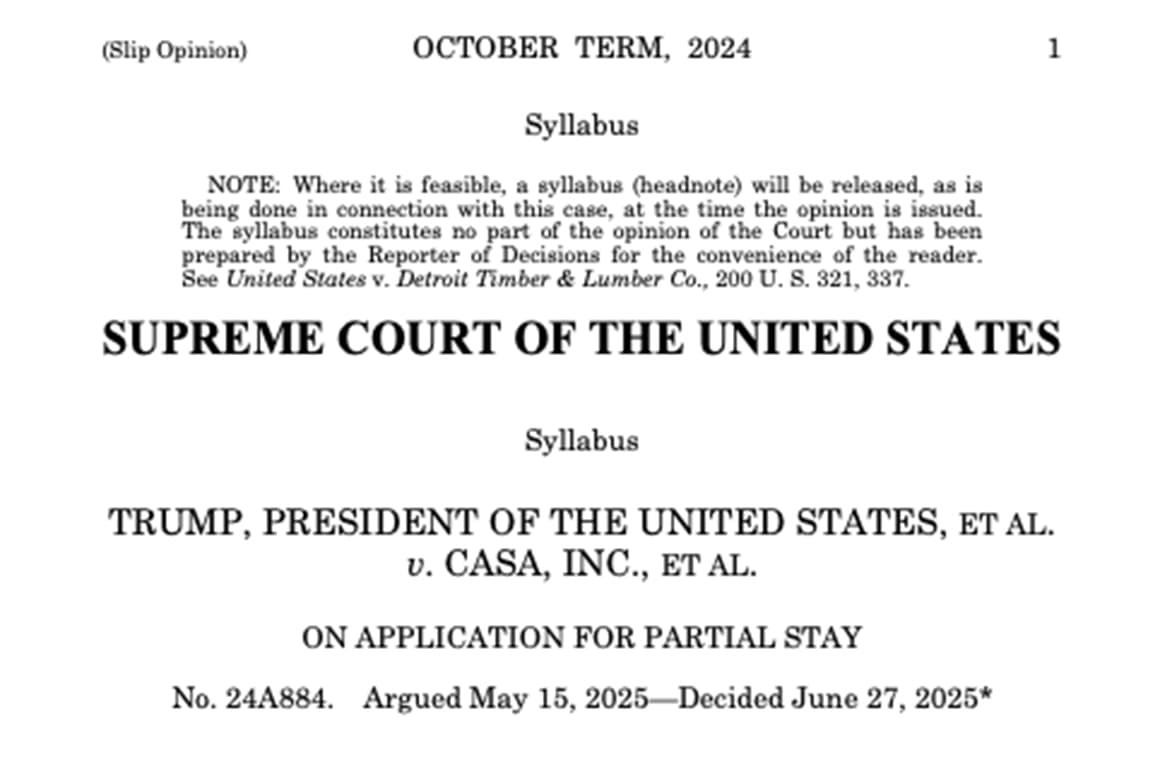
The Supreme Court made it harder for lower courts to stop White House orders across the country, a procedural shift that strengthened Donald Trump’s hand even as it left major legal battles intact. In Trump v. CASA, decided on June 27, 2025, the justices said the question was whether Congress had granted federal courts authority to universally enjoin enforcement of an executive order.
That ruling landed against a flood of litigation. Hundreds of lawsuits were filed during Trump’s second administration, challenging executive orders and actions tied to Elon Musk’s Department of Government Efficiency. Many of those cases slowed the administration’s agenda in the lower courts, but the new limits on nationwide injunctions made it more difficult for a single federal judge to freeze a policy everywhere at once.
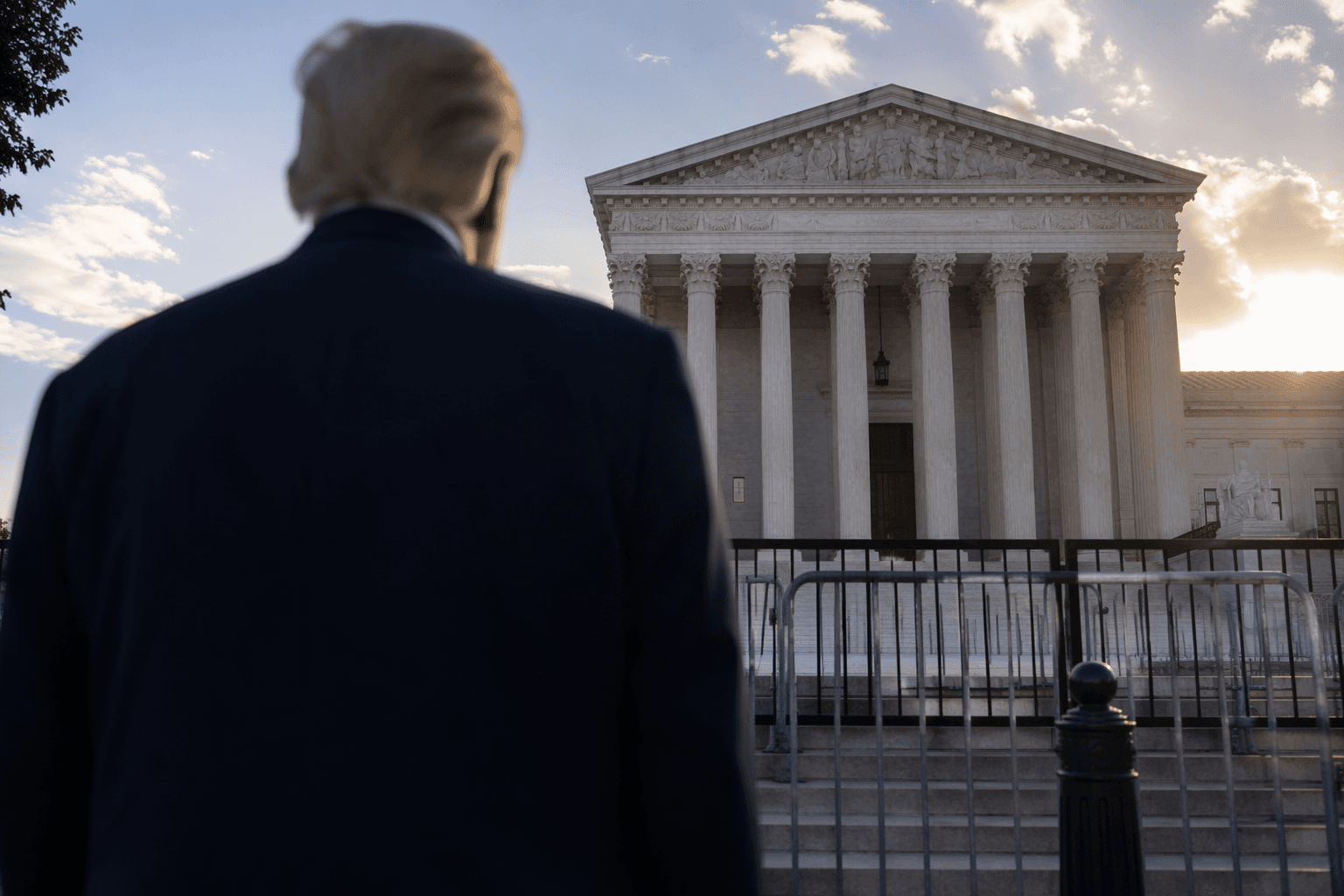
Immigration quickly became the clearest test. Eighteen states and two cities sued to block Trump’s executive order ending birthright citizenship, and a federal judge temporarily halted the order as the case moved through the courts. The fight carried consequences far beyond the courtroom, because it touched millions of immigrants and their U.S.-born children and set up a direct clash over how far a president can go in rewriting long-settled policy by executive action.
The administration also pressed an aggressive immigration strategy under the Alien Enemies Act of 1798, using the wartime law to deport members of a Venezuelan gang. In Texas, a judge temporarily barred the U.S. government from using the statute to deport Venezuelans held at a facility in the state, showing that even as the Supreme Court narrowed one of the fastest tools judges had for blocking federal action, other emergency challenges were still landing hard on Trump’s policies.

The court’s October Term 2025 ran from October 5, 2025, through October 3, 2026, and its opinions page shows rulings issued on June 18, 2026, as the term continued. The result was not a simple win or loss for Trump, but a sharper legal landscape: broader room for presidential action in some areas, and continuing court-imposed limits in others, especially where immigration enforcement and executive power collided.
This article was produced by Prism’s automated news system from verified source data, official records, and press releases, then run through automated quality and moderation checks before publishing. The system is built and supervised by the people who set the standards it runs under. Read our full AI policy.
Did this article answer your question?

