Supreme Court loosens campaign spending limits for parties, candidates
The court erased half-century-old caps on coordinated party spending, letting national committees pour more money into the 2026 midterms.

The Supreme Court opened the door for national parties and candidates to spend far more money together, striking down federal caps that had limited coordinated party spending for more than 50 years. The 6-3 ruling in National Republican Senatorial Committee v. Federal Election Commission could reshape the 2026 midterms almost immediately, with the November 3 general election already looming and the 2028 cycle next in line.
The decision means party committees can now make direct coordinated contributions to campaigns without the old limits that had fenced off how much money could move in tandem. Those caps were meant to stop donors from sidestepping individual contribution limits by routing money through party committees, and the Federal Election Commission enforced them this year, with 2026 coordinated party expenditure limits ranging from $130,600 for some House races to $4,071,800 in the largest Senate states. The agency published those limits in the Federal Register on March 3, and they remained in force until the justices acted.

The case came from the National Republican Senatorial Committee and included then-Sen. J.D. Vance, now vice president. The Trump administration declined to defend the law and agreed with the challengers that the restriction violated the First Amendment. In overruling its 2001 Colorado II precedent, the court swept away the rule that had stood as the main check on coordinated party spending for a generation. Justice Brett Kavanaugh wrote that the earlier decision was wrong and should be overturned, while Justice Elena Kagan warned in dissent that the court was clearing the way for large contributions to flow to candidates through parties.
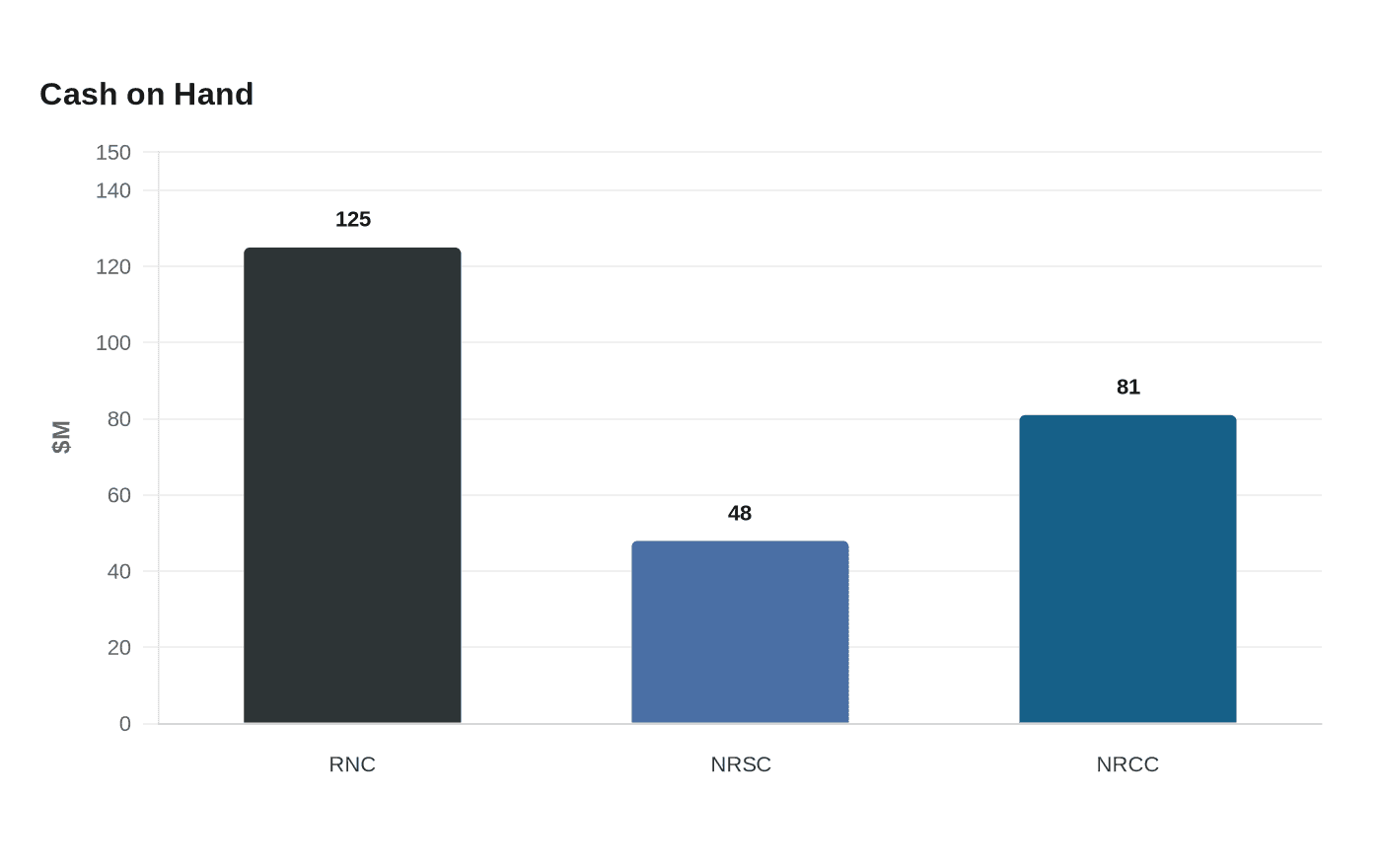
At the end of May, the Republican National Committee had more than $125 million in cash on hand, the National Republican Senatorial Committee more than $48 million, and the National Republican Congressional Committee more than $81 million. Democrats warned that the change will magnify the power of large donors and party committees, while Republican leaders said the parties will be able to support candidates more fully in 2026 and beyond.
This article was produced by Prism’s automated news system from verified source data, official records, and press releases, then run through automated quality and moderation checks before publishing. The system is built and supervised by the people who set the standards it runs under. Read our full AI policy.
Did this article answer your question?

