Supreme Court nears ruling on Trump bid to end birthright citizenship
The court’s birthright-citizenship case could affect more than 250,000 U.S.-born children a year and test how far a president can reshape the Constitution by decree.
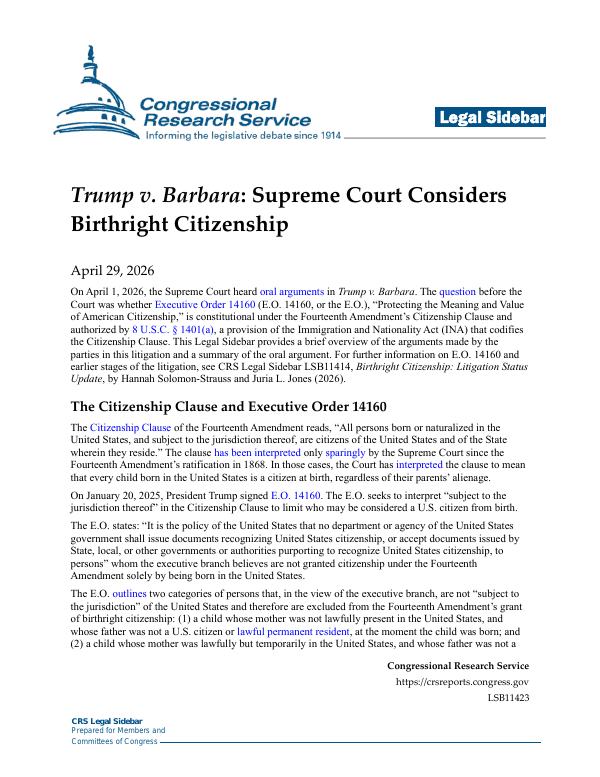
The justices are heading into the final stretch of a term that could redraw both immigration policy and presidential power. Their pending decision in Trump v. Barbara will decide whether Donald Trump’s Executive Order 14160 can deny citizenship to children born in the United States to undocumented parents and to some parents on temporary visas, a move that could affect more than 250,000 U.S.-born children each year. The ruling is expected by late June or early July, alongside other major decisions on transgender athletes and gun rights.
The case has become a national test of whether an executive order can alter the practical meaning of the Fourteenth Amendment’s Citizenship Clause. Trump signed the order on his first day back in office, and state attorneys general, civil rights organizations and immigrant-rights groups quickly challenged it in court. Those challengers say the order conflicts with the Constitution and with 8 U.S.C. § 1401(a), the federal citizenship statute that has long been understood to track birthright citizenship.
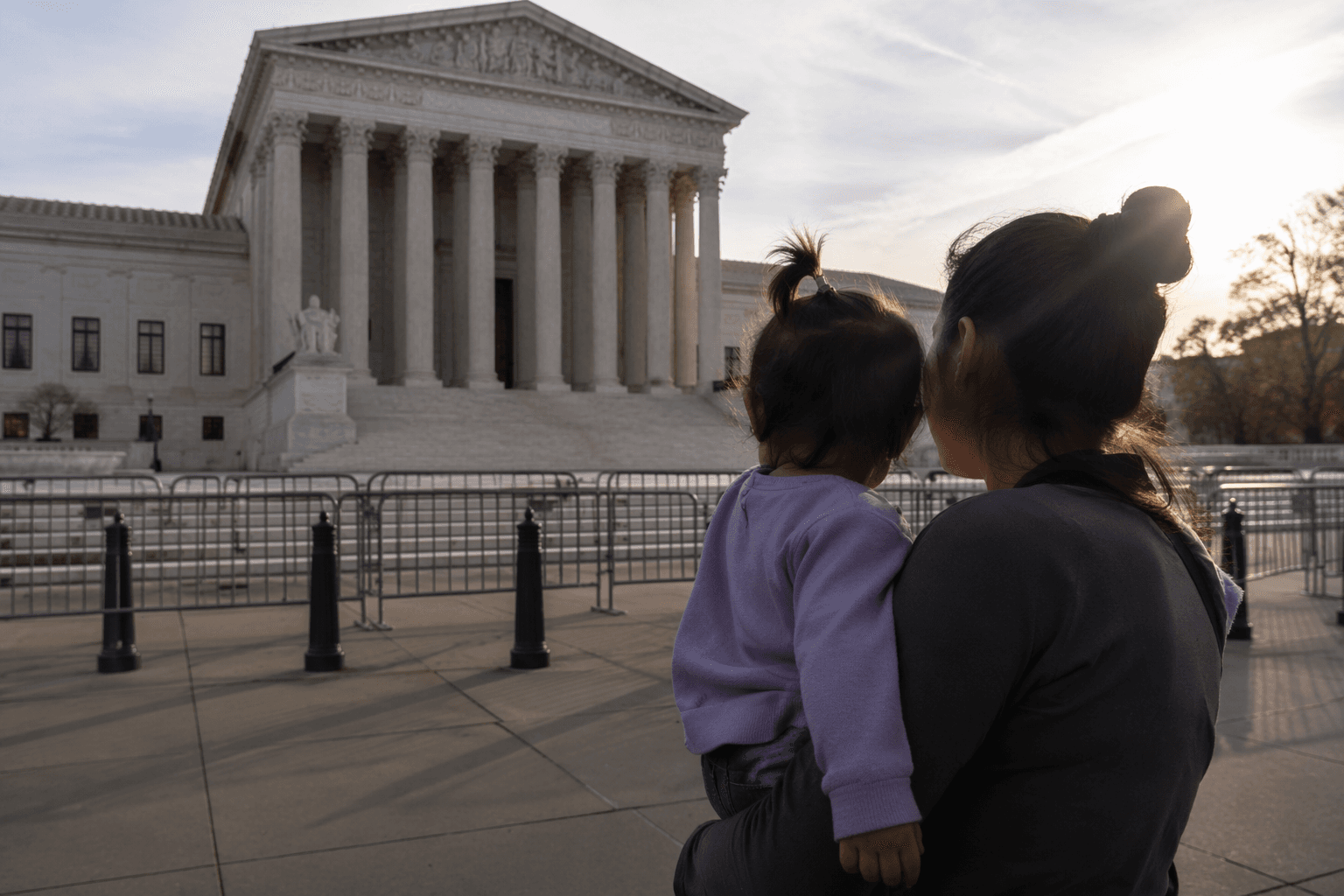
The court’s 2025 decision in Trump v. CASA raised the stakes even further. By ruling 6-3 that universal injunctions likely exceed lower courts’ equitable authority, the justices narrowed the tools available to block sweeping federal policies. That left the birthright-citizenship fight to continue through lower courts and class-action routes, making the merits question in Trump v. Barbara newly urgent and raising the prospect of uneven rulings as the case moves through the system.
The legal history behind the dispute runs through United States v. Wong Kim Ark, the 1898 precedent long cited for the rule that most children born on U.S. soil are citizens. During oral arguments on April 1 in Washington, Trump was in the courtroom, and several justices, including some conservatives, appeared skeptical of the administration’s position. The court’s answer will show whether that precedent still controls or whether the justices are prepared to narrow it.
The practical consequences would be immediate. If the administration prevails, federal practice could shift quickly for newborns born to undocumented parents or parents here on temporary visas, forcing state and federal offices that handle birth records and citizenship documentation to adjust on the fly. That could create a patchwork of litigation and administrative confusion almost as soon as the ruling lands. Beyond immigration, the case would signal how far a president can go in using executive power to press on constitutional boundaries and force the court to define the limits of that power.
This article was produced by Prism’s automated news system from verified source data, official records, and press releases, then run through automated quality and moderation checks before publishing. The system is built and supervised by the people who set the standards it runs under. Read our full AI policy.
Did this article answer your question?

