Supreme Court revives Havana Docks claims against cruise lines
The justices reopened a claim that could expose cruise lines and other firms to new damages tied to Cuban property seized in 1960. The ruling could widen Helms-Burton risk for investors with Cuba exposure.

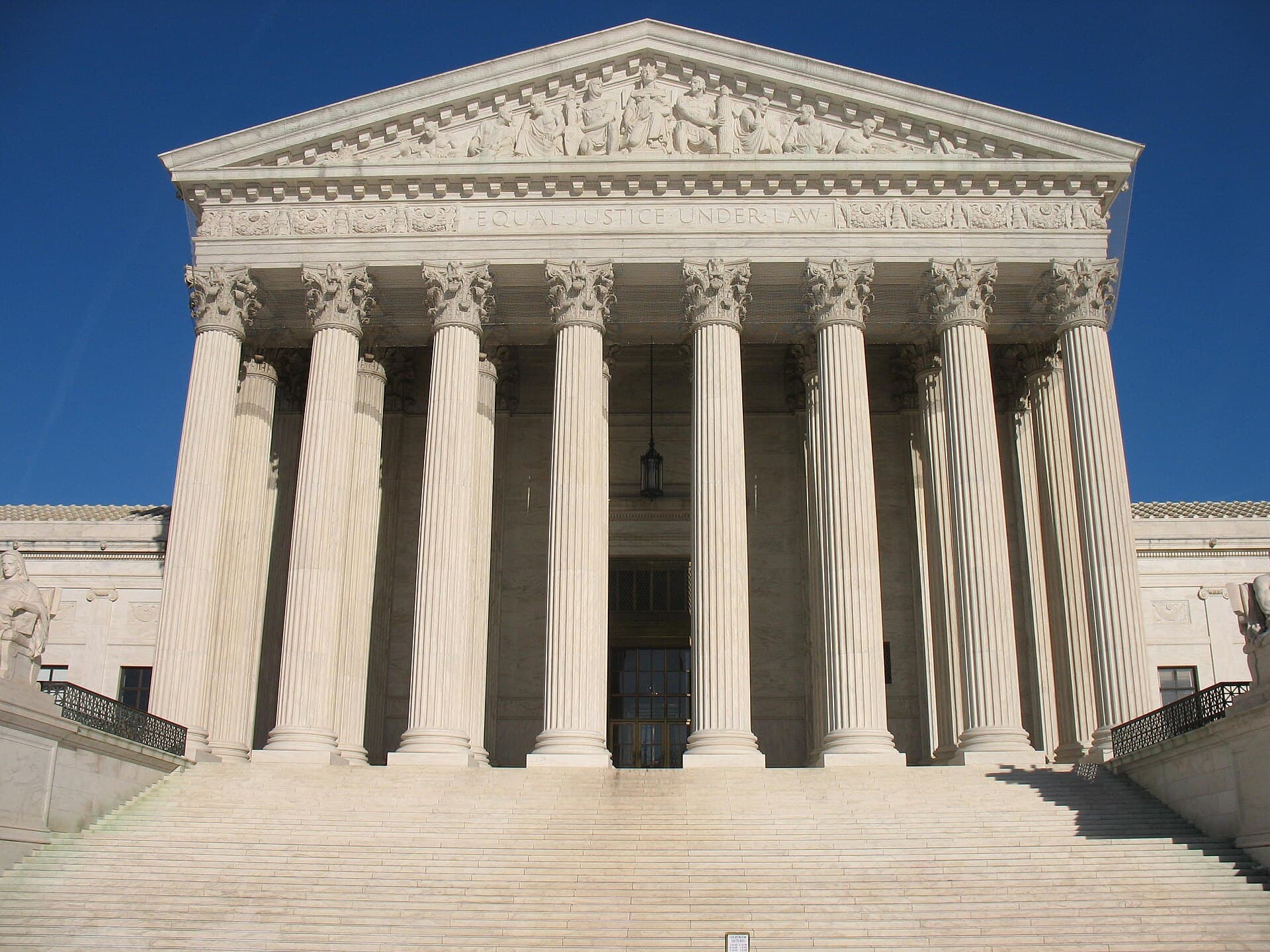
The Supreme Court reopened Havana Docks Corporation’s claims against Royal Caribbean Cruises, Norwegian Cruise Line Holdings, Carnival Corporation and MSC Cruises, reviving a dispute that could broaden legal exposure for companies tied to confiscated Cuban assets. In an 8-1 decision, Justice Clarence Thomas said the lower court was wrong to wipe out damages by assuming Havana Docks’ concession would have expired in 2004 even if Cuba had never seized the property.
Havana Docks acquired its interest in 1928 to develop and operate docks at the Port of Havana under a concession later extended to 99 years. That agreement was scheduled to run until 2004, but Cuba’s government confiscated the docks in 1960 without compensation and later identified Havana Docks in its expropriation decrees. The Foreign Claims Settlement Commission certified about $9 million in losses for Havana Docks, plus six percent annual interest.
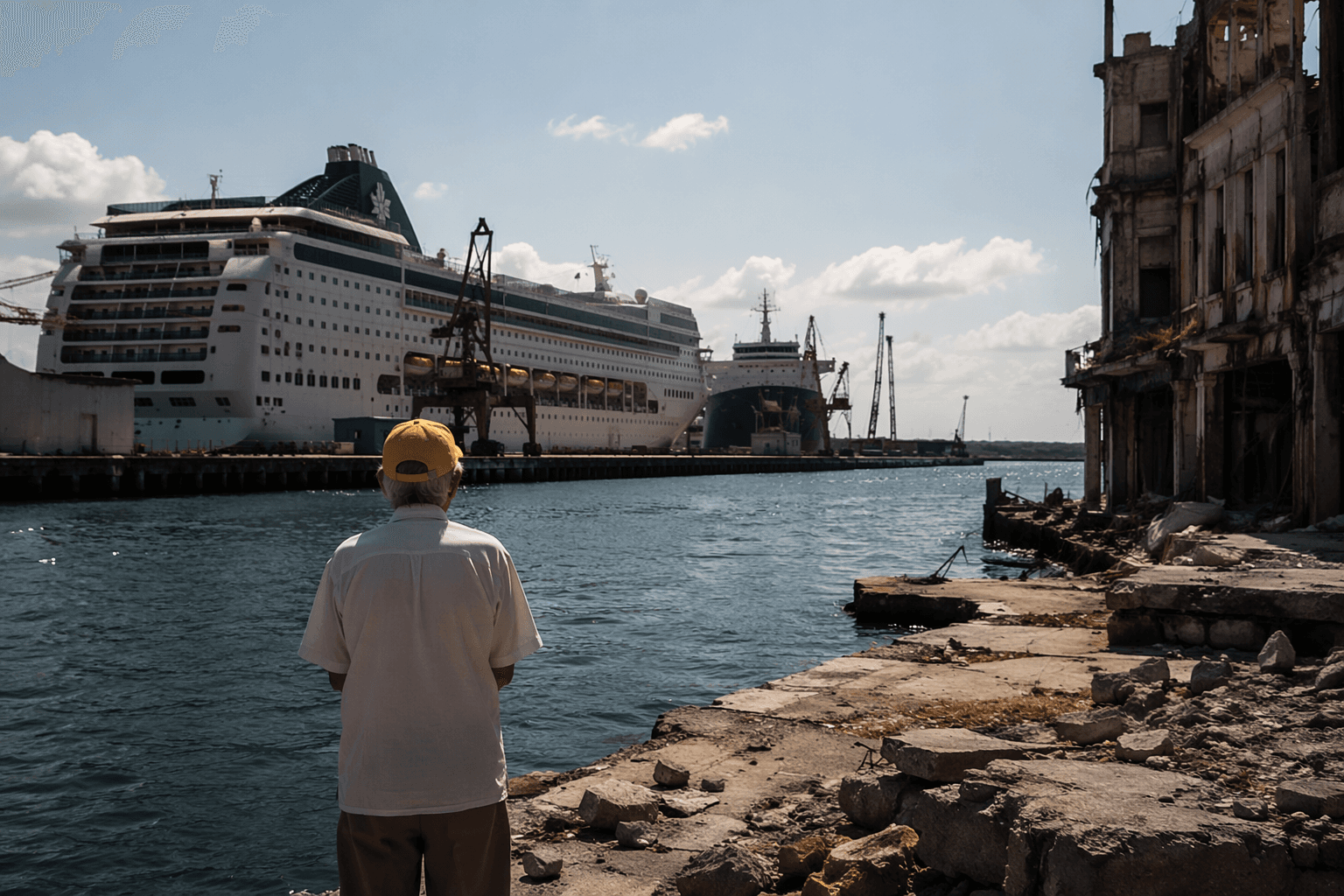
The cruise lines carried nearly a million paid passengers to Cuba from 2016 to 2019, using the Havana terminal for embarkation and disembarkation during the thaw in U.S.-Cuba relations. The case is not over, but the ruling restores the lawsuit for further proceedings and leaves intact the possibility of substantial damages. A Miami federal court had previously entered judgments totaling more than $100 million against the cruise companies before the Eleventh Circuit cut off damages for the 2016 to 2019 period.
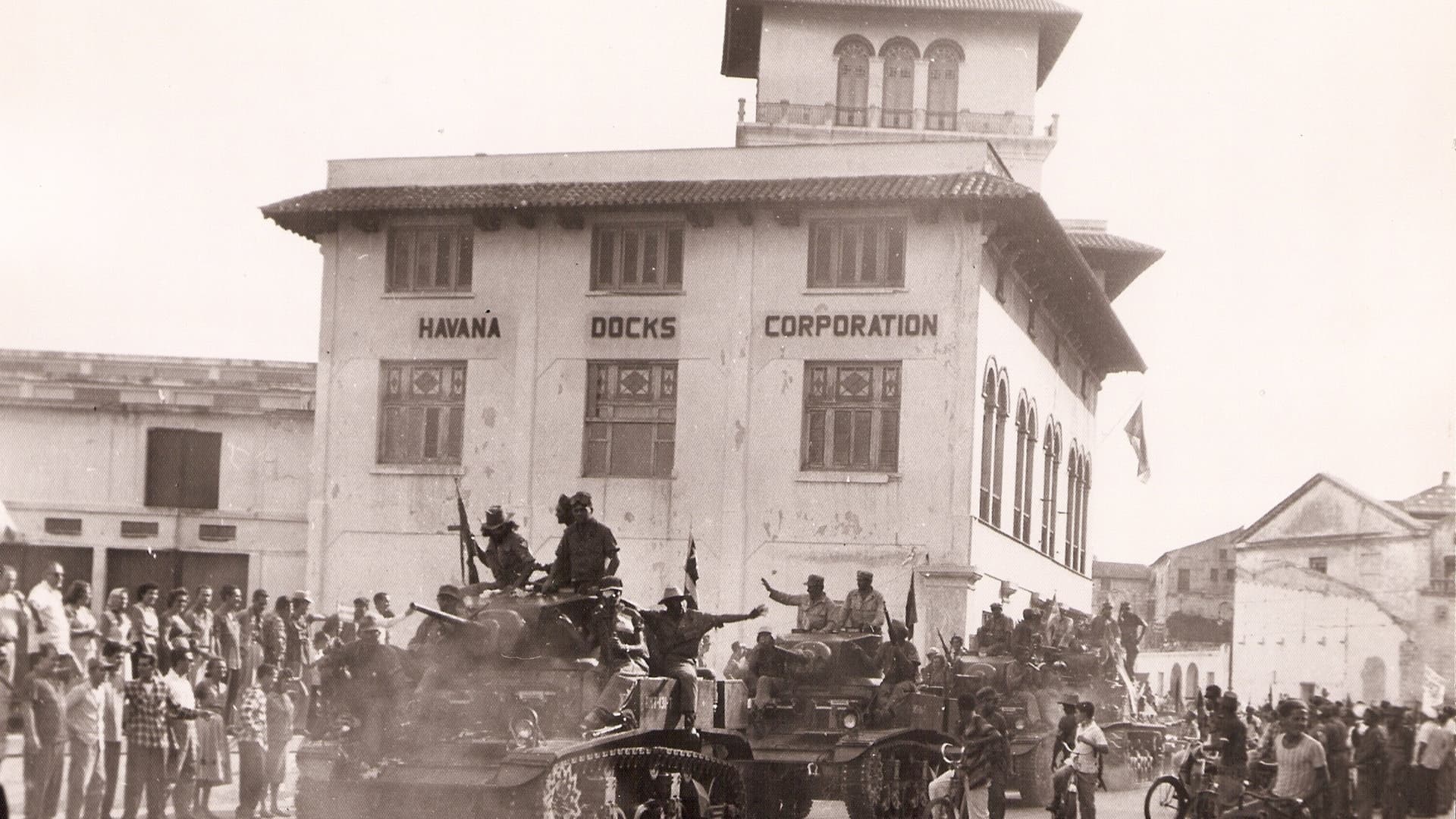
The decision gives new force to Title III of the Helms-Burton Act, the 1996 law that created a private right of action for U.S. nationals whose property was confiscated by the Cuban government on or after January 1, 1959. Presidents Clinton, George W. Bush and Barack Obama kept Title III suspended for years, and Donald Trump allowed that suspension to lapse in May 2019, reopening the path for suits like Havana Docks. The ruling signals that defendants may not escape liability simply by arguing that a confiscated concession would have expired later anyway.
For U.S. companies, the case raises the cost of doing business around Cuban property claims, especially where an asset was seized and later used by third parties. For foreign investors, it underscores that Cuba-related projects can carry long-tail litigation risk well beyond the original confiscation date. The broader stakes reach beyond one dock terminal in Havana: Exxon Mobil has a separate Helms-Burton claim tied to Cuban oil assets seized from Standard Oil’s subsidiaries in 1960, certified at more than $71 million plus interest. The court’s ruling makes clear that Cuba’s post-revolution confiscations remain a live legal and financial liability.
Know something we missed? Have a correction or additional information?
Submit a Tip