Supreme Court ruling triggers redistricting push across the South
A 6-3 Supreme Court ruling in Louisiana has reopened map fights in Alabama, South Carolina and beyond, with Black voting power and House control on the line.
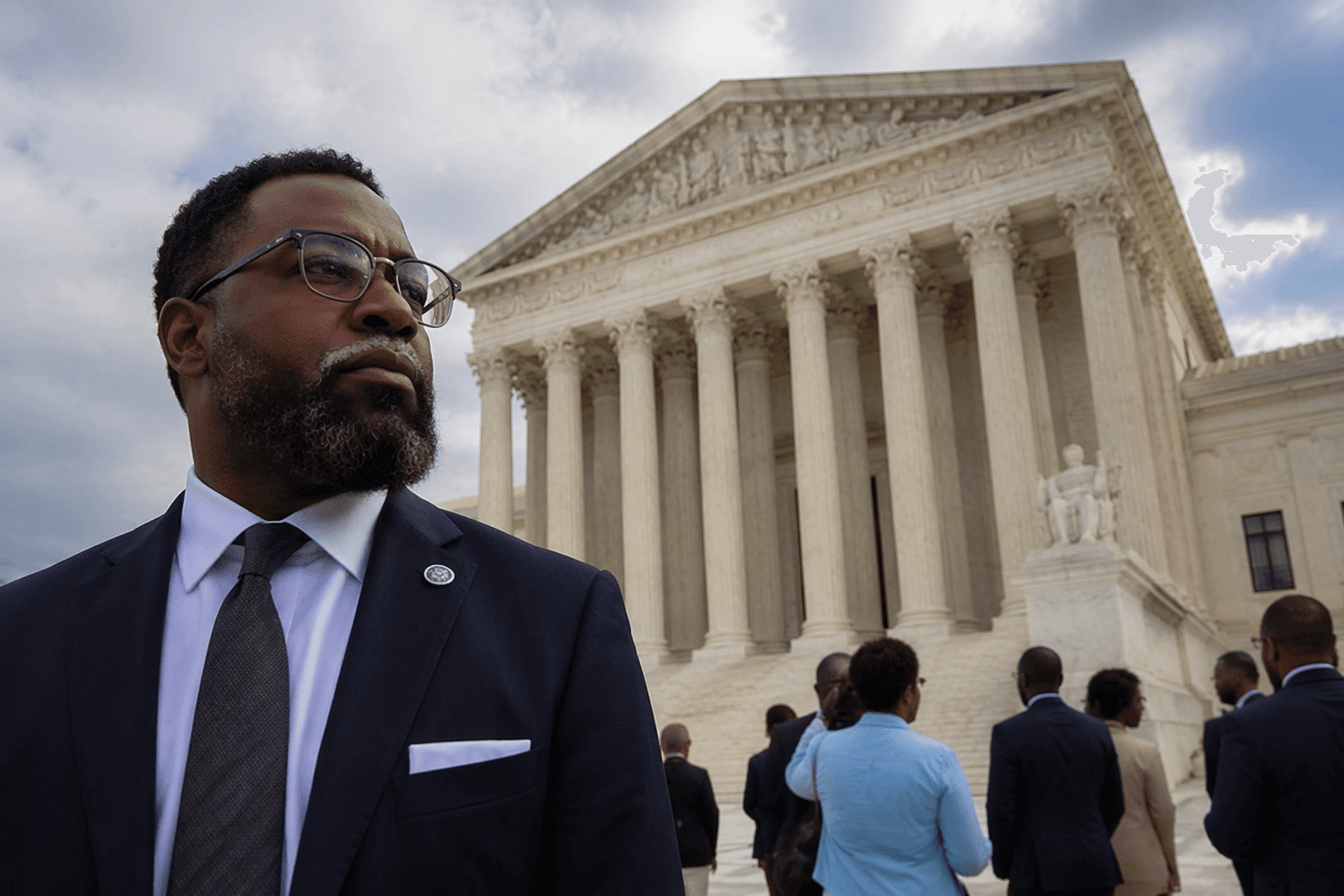
The Supreme Court’s 6-3 ruling in Louisiana v. Callais set off a new redistricting scramble across the South, reopening fights over majority-Black districts in Louisiana, Alabama and South Carolina just as both parties begin positioning for the 2026 midterms and the 2028 cycle. The April 30 decision struck down Louisiana’s congressional map and left in place a lower-court ruling blocking a version that would have created a second majority-Black district, narrowing a Voting Rights Act tool that has long been used to press vote-dilution claims.
In Alabama, Gov. Kay Ivey moved quickly after the ruling and called lawmakers into special session to redraw the state’s congressional map. By mid-May, Alabama officials were pursuing a new plan that would likely cost Democrats a majority-Black district, a shift that would ripple through the state’s already hard-fought congressional races and further strengthen Republicans’ hand in the South.
South Carolina became the next flash point. Republican legislators advanced a Trump-backed redistricting push in Columbia that would have targeted the state’s only majority-Black congressional district, but the South Carolina Senate blocked the plan. That halt froze one of the most aggressive GOP efforts in the region, even as party strategists continued to press for maps that could produce a cleaner Republican sweep of the state’s delegation.
Louisiana remains at the center of the legal and political fight. State leaders there moved to replace the invalidated map, while plaintiffs signaled they may challenge any new proposal that still appears to engineer racial outcomes or otherwise crosses constitutional lines. Civil-rights advocates see the dispute as a major test of Black voting power and the future reach of the Voting Rights Act, especially as lower-court rulings and Supreme Court guidance collide in real time.
The broader stakes now extend well beyond the Deep South. Millions of people have already been placed in new voting districts in the 2026 redistricting cycle, and eight states have enacted new maps ahead of the midterms. Republicans have gained an edge in the national redraw so far, and the next wave of map fights could decide whether that advantage hardens into a durable House majority or triggers another round of legal challenges before 2028.
This article was produced by Prism’s automated news system from verified source data, official records, and press releases, then run through automated quality and moderation checks before publishing. The system is built and supervised by the people who set the standards it runs under. Read our full AI policy.
Know something we missed? Have a correction or additional information?
Submit a Tip