Supreme Court signals likely cascade of rulings before Jan. 21 arguments
The Supreme Court updated its calendar indicating opinions may be released Jan. 20, a move that could resolve major cases on immigration, presidential power and transgender rights.

The Supreme Court updated its public calendar on Jan. 16 to indicate it likely will release a set of opinions on Tuesday, Jan. 20, signaling a burst of near-term activity just before a slate of high-profile arguments scheduled later in the month. The timing positions the court to issue rulings that could reshape legal boundaries on immigration, presidential authority, civil rights and health care for young people.
One of the most closely watched matters set for argument Jan. 21 is Trump v. Cook, which asks whether a district court properly blocked the president from removing Lisa Cook, a Federal Reserve Board governor serving a 14-year term that began in 2023. The Federal Reserve Act limits removal of board members to "for cause," and the resolution of this dispute will carry implications for the independence of financial regulators and for settled expectations about executive power.
The court's calendar also lists cases that touch on citizenship and immigration, including a pending birthright citizenship challenge in Barbara v. Trump. Other immigration matters involve emergency orders issued via the court's expedited procedures that have already affected hundreds of thousands of people. Emergency actions over the past year have included at least one decision that removed legal protections for more than 500,000 immigrants, demonstrating how fast-moving court decisions can produce immediate public-health and social consequences for vulnerable communities.
Health and social policy disputes are likewise poised for major rulings. The court faces cases involving transgender athletes, state bans on gender-transition medical care for minors, and legal challenges tied to school library materials and conversion therapy bans. Decisions in these cases will directly affect access to medical care, mental health supports, and safe school environments for LGBTQ young people, with attendant consequences for health equity and adolescent wellbeing.
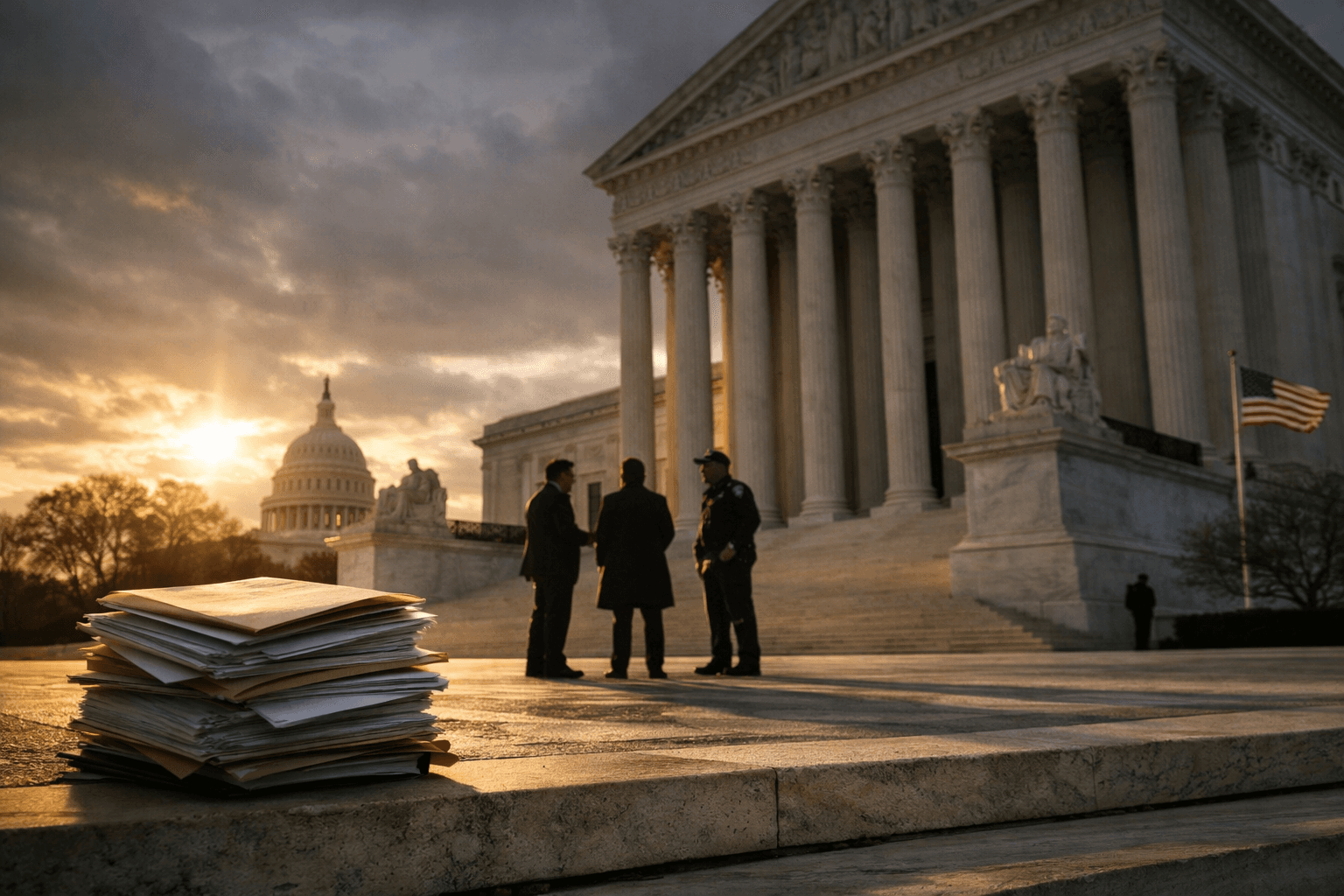
The court's docket this term remains substantial. As of June, 33 of 62 merits cases were still pending, and the justices have issued numerous emergency orders through what legal observers call the shadow docket. Those emergency procedures, often resolved without full briefing or extended opinions, have raised debate among scholars and practitioners about transparency and precedent. William Baude, a professor at the University of Chicago law school, warned that the emergency docket "might become the normal procedure for all high-stakes litigation," a prospect that would alter how communities experience rapid legal changes.
For communities and health systems, the stakes extend beyond doctrinal questions. A decision upholding restrictions on gender-affirming care for minors would limit clinicians' ability to provide evidence-based treatment and could increase mental health crises among transgender youth. Rulings that expand executive removal power or narrow voting protections would reshape institutional checks and affect civic participation in communities already facing disparities.
The Jan. 20 calendar entry is a near-term signal rather than a definitive list of holdings; the court has historically posted such notices shortly before issuing opinions and may still add items to the term's docket. Still, the convergence of opinion releases and argument dates in late January means that courts, health providers, school districts and advocacy groups should prepare for swift legal changes that could have immediate, unequal effects on vulnerable populations. Journalists and institutions will be watching the court's orders feed for final opinions that could determine the scope of federal power and the practical rights of millions.
This article was produced by Prism’s automated news system from verified source data, official records, and press releases, then run through automated quality and moderation checks before publishing. The system is built and supervised by the people who set the standards it runs under. Read our full AI policy.
Did this article answer your question?

