Supreme Court strikes down gun ban for drug users in Texas case
The justices unanimously said a Texas man’s admitted marijuana use was not enough to bar his gun rights, narrowing how far federal prosecutors can go.

Federal prosecutors can no longer rely on a blanket drug-user category to take away gun rights without showing a historical match, after the Supreme Court ruled 9-0 that a Texas man’s conviction under a 1968 gun law violated the Second Amendment. The decision in United States v. Hemani turns a search of one Dallas-area home into a broader test for federal firearm cases involving marijuana and other controlled substances.
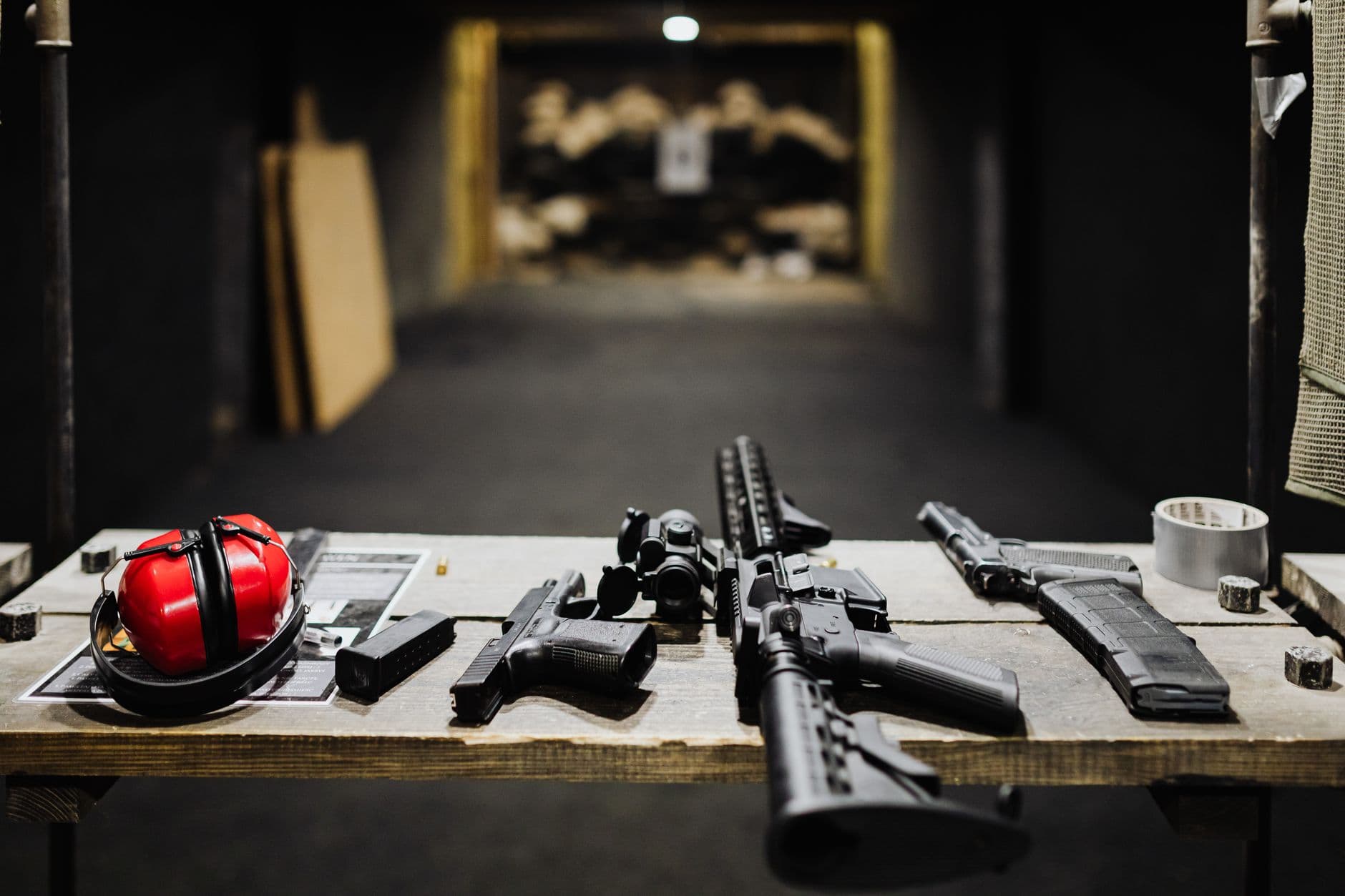
Ali Danial Hemani, a dual citizen of the United States and Pakistan who was born in Texas, was prosecuted under 18 U.S.C. § 922(g)(3) after FBI agents found a Glock 9 mm pistol, marijuana and cocaine at his home in 2022. Hemani told agents he used marijuana about every other day. More than six months later, federal prosecutors charged him based on that admission, and the U.S. District Court for the Eastern District of Texas dismissed the indictment. The U.S. Court of Appeals for the Fifth Circuit affirmed, and the Supreme Court did the same.

The law at issue is part of the Gun Control Act of 1968 and bars possession of firearms by anyone who is an “unlawful user of or addicted to any controlled substance.” The court said the government did not meet its burden under the Second Amendment’s text-and-history framework and reiterated that gun restrictions must fit within the nation’s historical tradition of firearm regulation. The justices said the government does not need a historical twin or precise precursor, but it still has to show enough of a historical analogue to justify the modern law.
The ruling is a setback for the Trump administration, which defended the statute, and it adds another major marker to the Supreme Court’s post-Bruen gun-rights line, alongside District of Columbia v. Heller, New York State Rifle & Pistol Assn. v. Bruen and United States v. Rahimi. Justice Clarence Thomas wrote separately, Justice Ketanji Brown Jackson wrote a concurrence joined by Justice Sonia Sotomayor, and Justice Samuel Alito wrote separately in the judgment.
The practical effect reaches beyond Hemani’s case. Federal prosecutors will now face a harder path when they try to use marijuana use, or other controlled-substance use, as the basis for a gun ban, especially in states where marijuana is legal or decriminalized. The ruling also lands as the Bureau of Alcohol, Tobacco, Firearms and Explosives moves ahead with an interim final rule issued Jan. 22, 2026, updating the definition of “unlawful user of or addicted to any controlled substance,” with public comments open through June 30, 2026.
This article was produced by Prism’s automated news system from verified source data, official records, and press releases, then run through automated quality and moderation checks before publishing. The system is built and supervised by the people who set the standards it runs under. Read our full AI policy.
Did this article answer your question?

