Supreme Court strikes down Louisiana voting map in landmark 6-3 ruling
The justices kept Louisiana’s new map blocked, threatening a second majority-Black district and setting up a national fight over Section 2 of the Voting Rights Act.
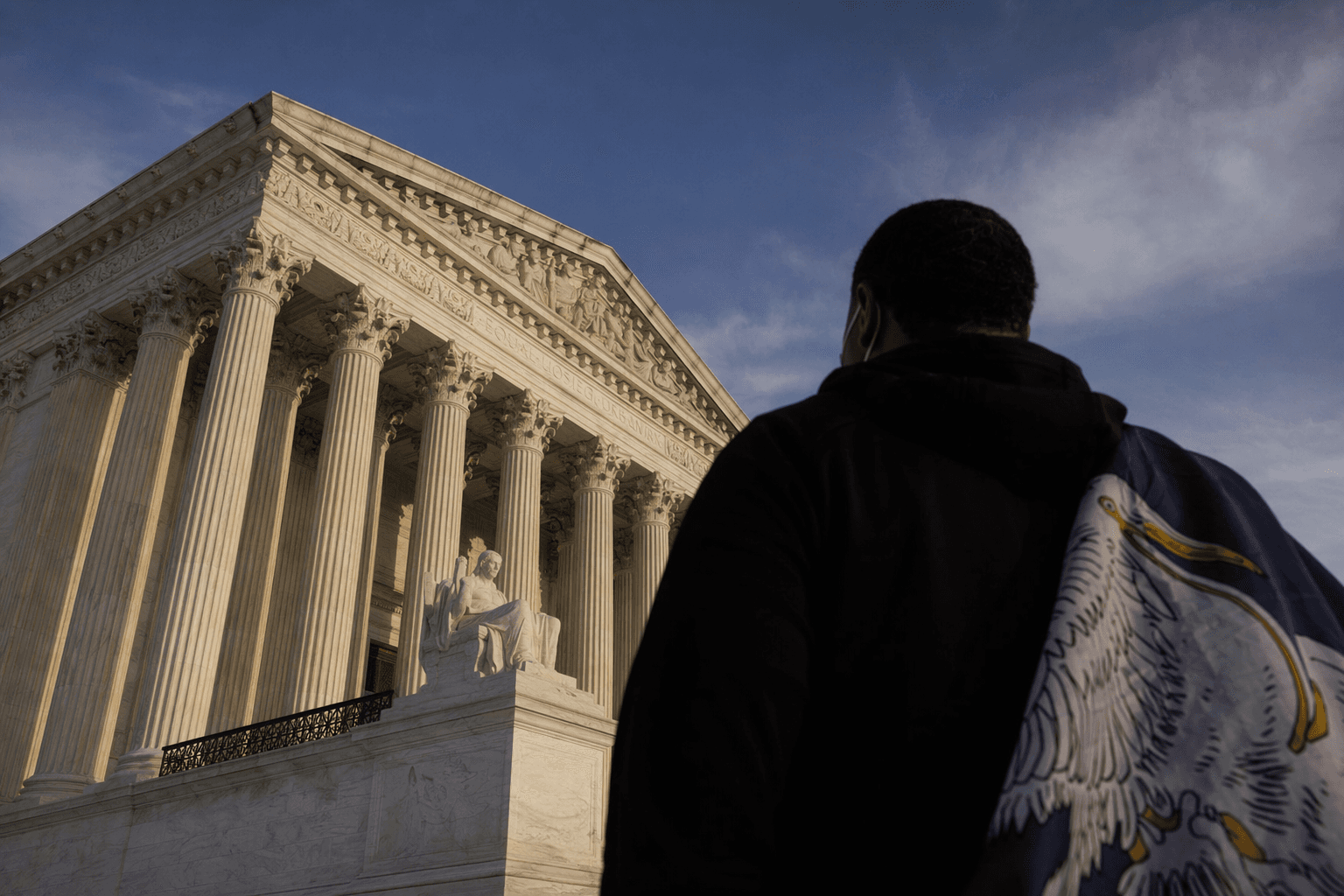
The Supreme Court left Louisiana without the congressional map that created a second majority-Black district, handing the state a 6-3 defeat in a case that could reshape redistricting battles nationwide. By upholding the lower court’s block on the 2024 plan, the justices kept in place a ruling that bars Louisiana from using the map in future elections and casts fresh doubt on how far the Voting Rights Act can still reach.
The case grew out of Louisiana’s post-census map, which gave Black voters only one majority-Black district out of six even though they make up roughly one-third of the state’s population. A federal judge found that 2022 map likely violated Section 2 of the Voting Rights Act, and the Fifth Circuit upheld that ruling. Louisiana responded with a new map in 2024 that added a second majority-Black district, and that district helped elect former congressman Cleo Fields in November 2024.
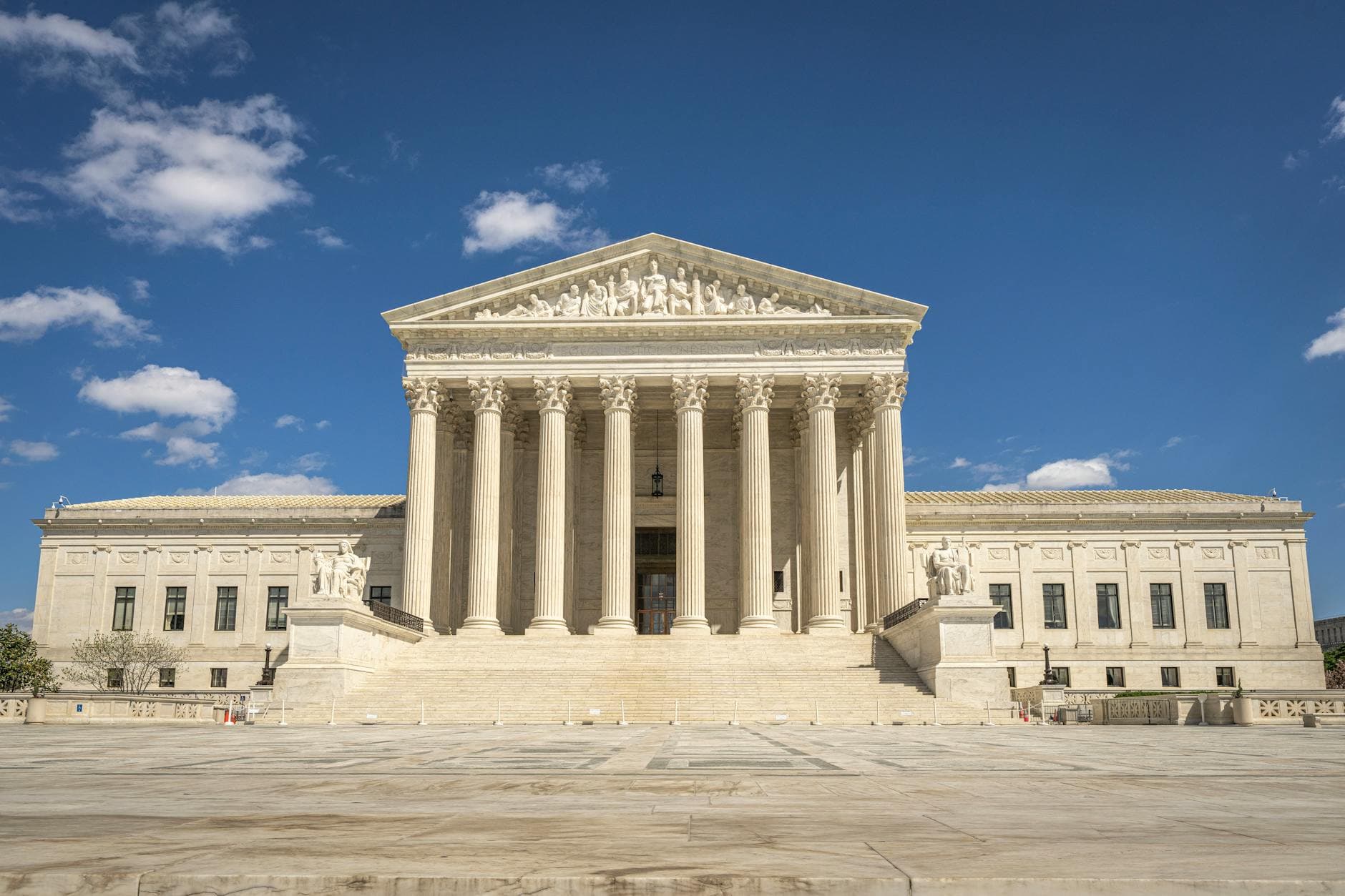
Justice Samuel Alito wrote the majority opinion. The Court did not formally strike Section 2 from the Voting Rights Act, but the ruling makes it far harder to use race-conscious remedies to protect minority voting power. Justice Elena Kagan, joined by Justices Sonia Sotomayor and Ketanji Brown Jackson, warned in dissent that the decision left Section 2 “all but a dead letter.” The court had already heard oral arguments in March 2025 before ordering reargument for October 15, 2025, signaling how closely the justices were divided over Louisiana’s new map.
Civil-rights leaders reacted in blunt terms. NAACP President Derrick Johnson called the ruling a “devastating blow” to what remains of the Voting Rights Act. NAACP Legal Defense Fund President and Director-Counsel Janai Nelson said the decision “eviscerated” Section 2 and threatened the political power of Black communities. Kristen Clarke called it one of the most consequential and devastating rulings issued by the Supreme Court in the 21st century. The ACLU of Louisiana said Section 2 had been a critical tool for safeguarding equal participation in democracy.
The immediate impact reaches far beyond Louisiana. The decision could invite fresh challenges to majority-Black and Latino districts in other states and give lawmakers new room to redraw maps before the 2026 midterm elections, especially across the South. For Black voters, the ruling narrows one of the last major federal tools used to force states to draw districts that translate population into political power.
Know something we missed? Have a correction or additional information?
Submit a Tip