Supreme Court to hear Boulder climate suit, threatening state court remedies
The Supreme Court agreed Feb. 23, 2026 to review Suncor and ExxonMobil's challenge to Boulder and Boulder County's climate lawsuit, a ruling that could curtail state court access.

The U.S. Supreme Court agreed Feb. 23, 2026 to hear an appeal by Suncor Energy USA and ExxonMobil that seeks to block climate‑accountability claims brought by the City of Boulder and Boulder County, putting the authority of state courts to adjudicate local climate harms at stake. The companies argue federal law displaces state tort claims; local leaders and advocates warn that a ruling for industry would undercut communities seeking relief for mounting climate costs and health impacts.
Boulder and Boulder County filed the suit to hold oil companies “responsible for knowingly contributing to climate change while concealing the dangers of their products,” their press releases say. The Colorado Supreme Court reached the opposite conclusion to the companies in a May ruling last year, finding “federal law did not preempt Boulder’s claims and that those claims could therefore proceed under state law.” The defendants then petitioned the U.S. Supreme Court to intervene and seek dismissal.
The justices indicated they will “brief and argue” whether the court even has the authority to take up the case at this time, inserting a procedural question that could shape whether the high court decides the merits now or later. Local public radio station KSUT noted March 1, 2026 that SCOTUS had agreed to hear an appeal in the high‑profile case; the timing and scope of briefing remain to be set.
City and county officials framed the dispute as a contest over local budgets, public health and equitable recovery. “The oil companies have tried every avenue to delay our climate accountability case or move it to an out of state court system,” Boulder County Commissioner Ashley Stolzmann said. “As everyone continues to face rising costs that put budgets under pressure, we must hold oil companies accountable for the significant harm they’ve caused our communities. We move forward with renewed energy and purpose for the next step toward justice.” Boulder Mayor Aaron Brockett said, “Local communities are living with the mounting costs of climate change. The Supreme Court should affirm Colorado's right to hold these companies accountable for the harm they have caused in Colorado.”
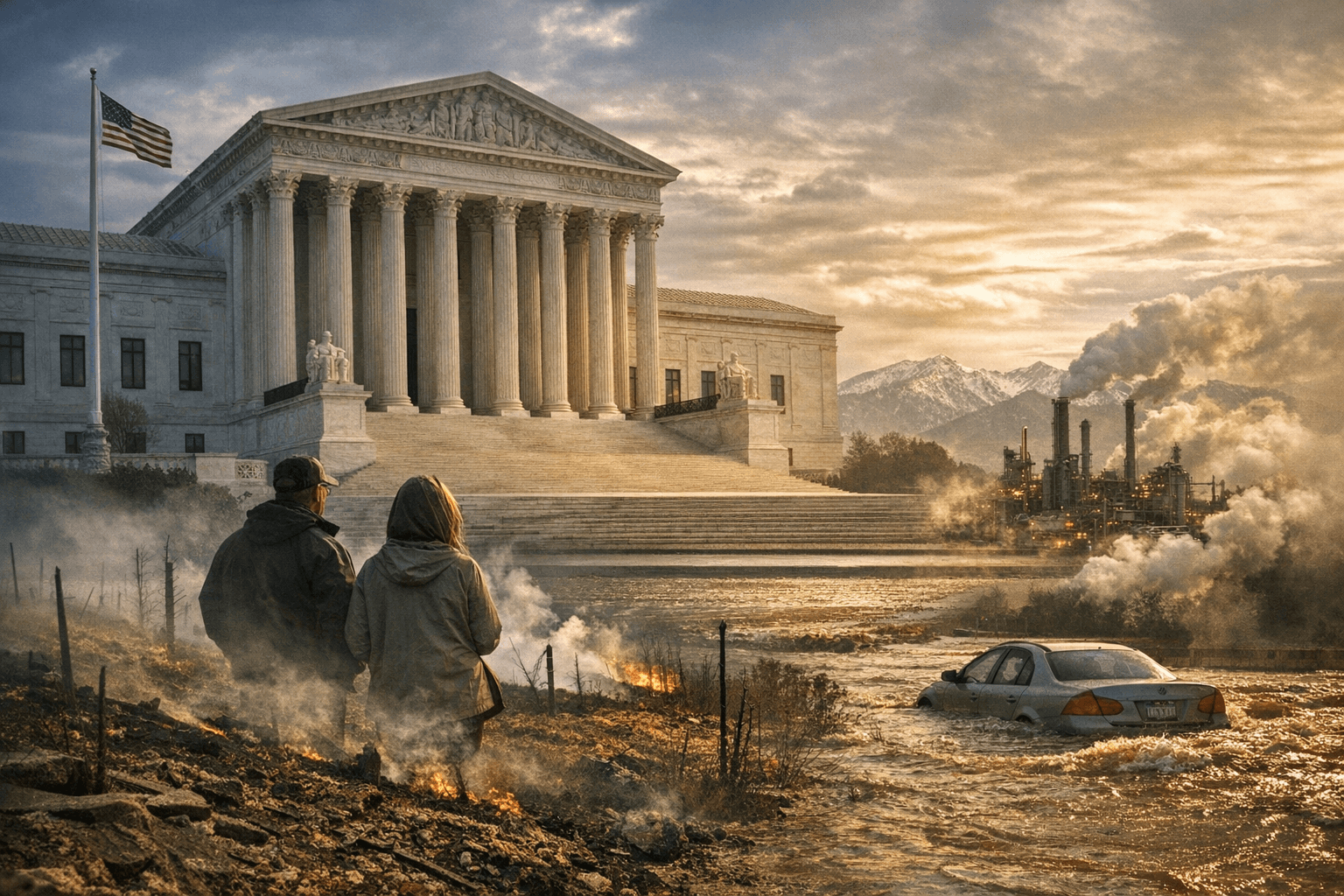
Advocates warn the stakes extend beyond Boulder. The Union of Concerned Scientists said the petition is an industry effort to “circumvent state courts” and cautioned that “Communities have long relied on state courts to seek remedies for local harms and an industry-friendly ruling in this case could jeopardize access to justice for people across the country.” UCS also alleged that “Justice Samuel Alito, despite conflicts of interest leading to his recusal from considering similar petitions, has refused to recuse himself in this instance.”
Legal analysts describe a wider choice for the court: preserve a patchwork of state‑based remedies for damage tied to greenhouse gas emissions or substitute a uniform federal rule that could limit local remedies and reshape future claims. Womble Bond Dickinson noted the issue echoes a 2023 Hawaii Supreme Court decision that allowed a municipal climate case to proceed in state court and highlighted how a federal ruling could affect dozens of pending municipal and state suits.
Public health experts and local officials say the outcome matters now because climate‑driven heat, wildfires and flooding already raise emergency costs, strain health systems and deepen inequities. If the Supreme Court narrows state courts’ role, communities seeking to recoup treatment, infrastructure and adaptation costs may face new legal and fiscal barriers. The case will test not only legal doctrine but how Americans can seek remedies for harms tied to a warming planet.
This article was produced by Prism’s automated news system from verified source data, official records, and press releases, then run through automated quality and moderation checks before publishing. The system is built and supervised by the people who set the standards it runs under. Read our full AI policy.
Did this article answer your question?

