Supreme Court to Hear Vance Challenge to Party Spending Limits
The Supreme Court is hearing a high stakes appeal brought by Vice President J.D. Vance and Republican committees that could loosen long standing limits on party spending coordinated with candidates, reshaping how campaigns are financed. The case has wide implications for the influence of wealthy donors, the balance of power in Congress and statehouses, and the ability of communities to secure equitable health and social services.
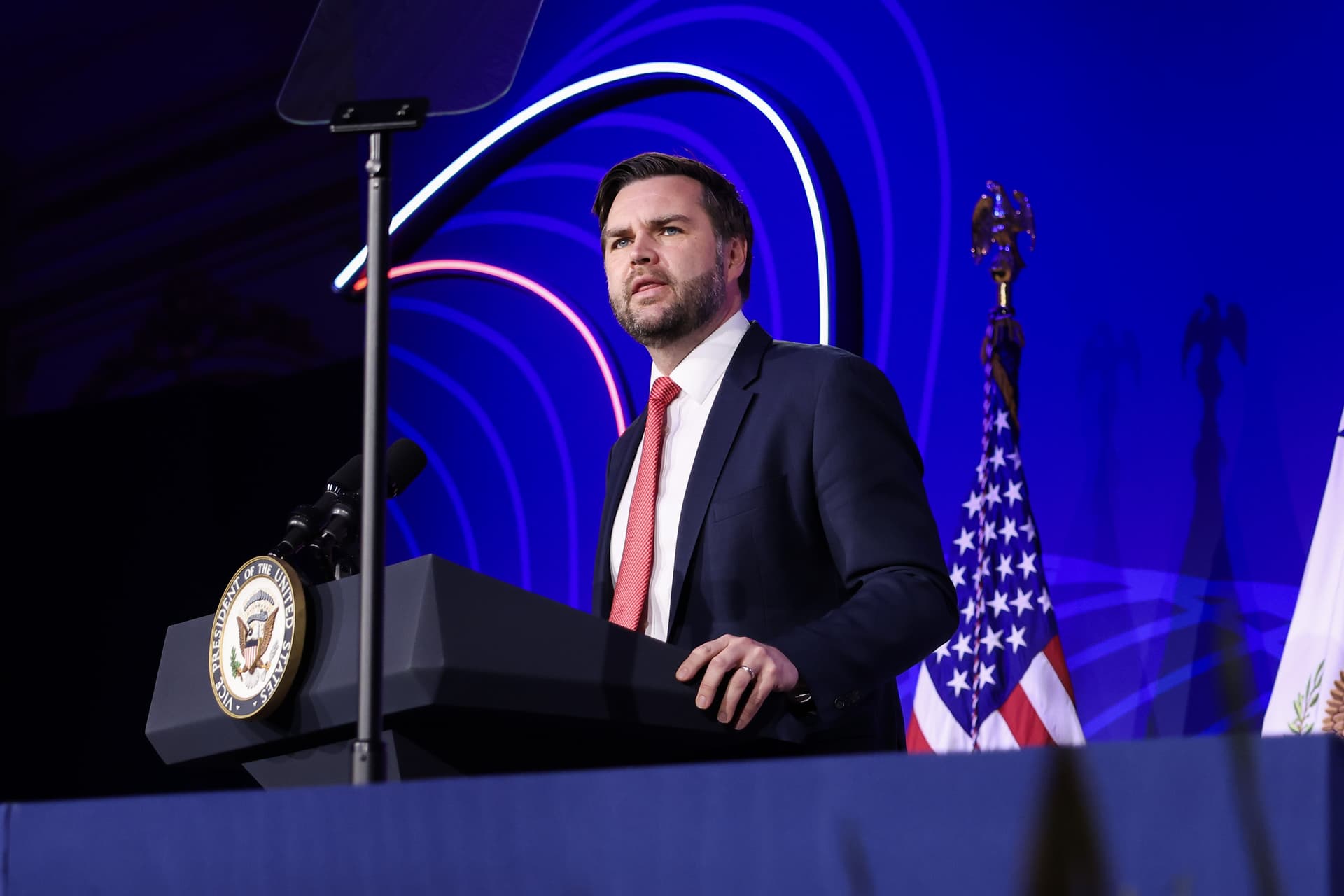
The U.S. Supreme Court is set to take up a major challenge to federal campaign finance rules that date to the Federal Election Campaign Act of 1971, hearing an appeal brought by Vice President J.D. Vance and allied Republican committees. At issue are longstanding limits on spending by political parties when that spending is coordinated with candidates, limits the challengers say are inconsistent with recent precedent expanding political spending rights.
The case builds on a line of decisions that began with Citizens United and continued to erode restraints on corporate and independent political spending. Legal advocates on both sides say the Court could either follow a broader trajectory toward deregulation or avoid sweeping change by resolving the case on narrower procedural grounds. A ruling is expected by June 2026.
The Justice Department declined to defend the statute in lower court litigation, leaving a court appointed lawyer to argue in favor of maintaining the limits. The appearance of the federal government on the side of the challengers has intensified attention, because any erosion of coordination rules could allow parties to effectively coordinate large sums with candidates while avoiding contribution limits and disclosure rules that currently apply to direct donations.
Campaign finance scholars and public interest organizations warn that loosening these limits would concentrate political power among the wealthiest donors and party operatives. That concentration matters for public policy in tangible ways. Elected officials responsive primarily to major donors may deprioritize investments in public health infrastructure, Medicaid expansion, community clinics, and programs that address health inequities among low income people and communities of color. Local and state races that determine public health budgets could become more vulnerable to special interest spending, reducing the capacity of underserved communities to shape priorities that affect their health and economic stability.

The challenge also raises questions about enforcement and transparency. If parties can coordinate spending with candidates without triggering the current legal constraints, tracking the flow of money into campaigns may become harder for regulators and journalists. That opacity could undermine public trust and make it more difficult for voters to hold elected officials accountable for policy choices that affect core services including hospitals, public health departments and social services that serve vulnerable populations.
Legal analysts point to two possible paths for the conservative majority on the Court. One path would expand existing doctrines that favor deregulation of political spending, potentially reshaping the mechanics of campaigns at every level. The other would dispose of the case on procedural grounds, leaving substantive campaign finance rules intact for now but likely ensuring new litigation.
Whatever the legal outcome, the stakes are political and civic as well as legal. Changes to coordination rules would reshape who sets policy priorities and how communities advocate for resources that affect daily life, from clinic funding to emergency preparedness. With the argument scheduled today and a decision expected by June 2026, advocacy groups, party strategists and public health leaders are watching closely for how the Court’s ruling will alter the terrain of American democracy and the policy debates that determine health and justice across the country.
This article was produced by Prism’s automated news system from verified source data, official records, and press releases, then run through automated quality and moderation checks before publishing. The system is built and supervised by the people who set the standards it runs under. Read our full AI policy.
Did this article answer your question?