Supreme Court upholds birthright citizenship, Mississippi mail-in ballot rules
Amy Coney Barrett landed on the side of Chief Justice John Roberts in rulings that blocked Donald Trump on birthright citizenship and Mississippi mail ballots.
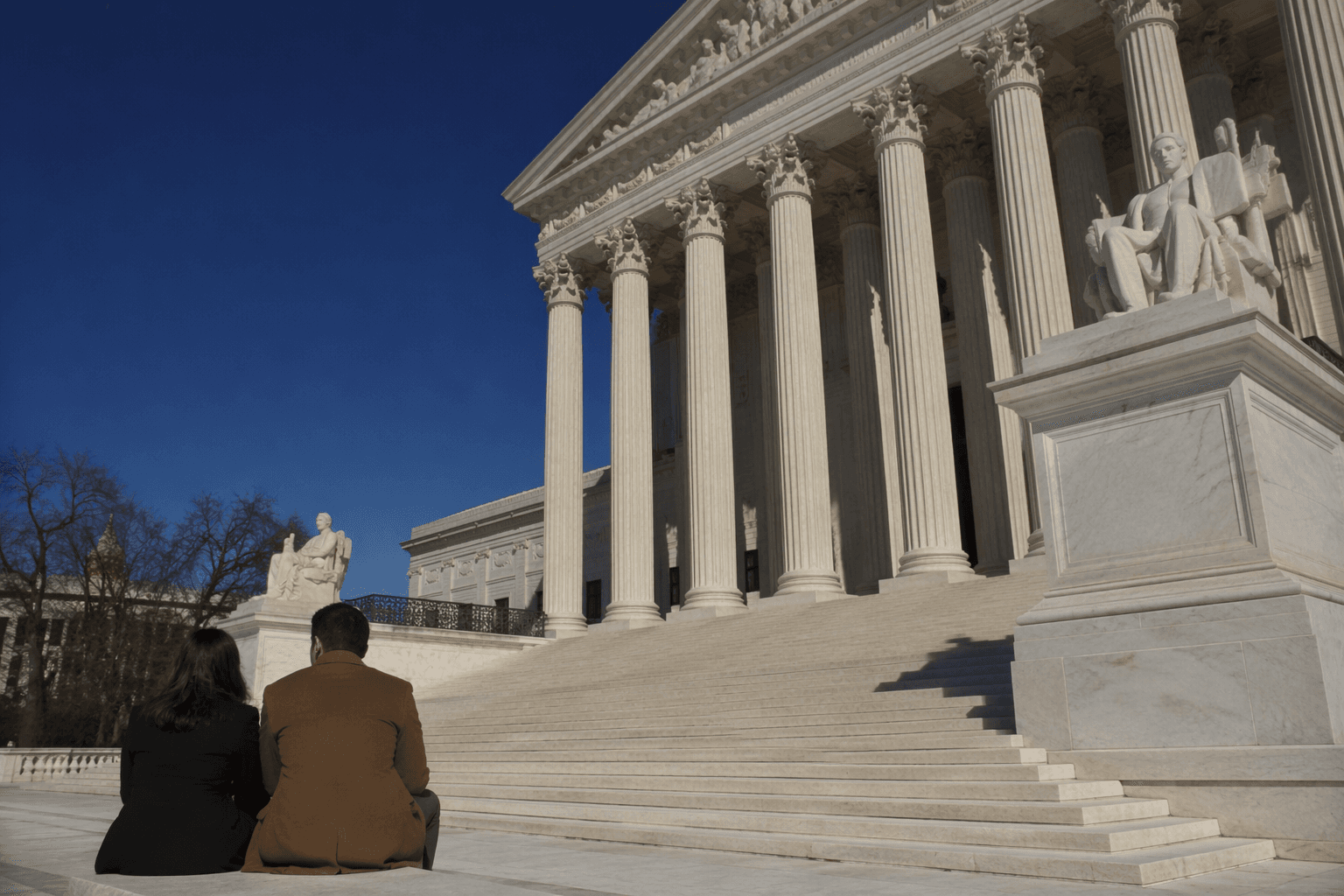
The Supreme Court on Tuesday rejected Donald Trump’s bid to restrict birthright citizenship, preserving the rule that children born in the United States are citizens even after his order targeted children of undocumented immigrants and some people on temporary visas. A day earlier, the justices upheld Mississippi’s five-day mail-ballot grace period in a 5-4 ruling that arrived just over four months before the 2026 midterm elections.
The Mississippi decision kept in place a state law allowing absentee ballots postmarked by Election Day to be counted if they arrive within five business days after the vote. Mississippi is one of 14 states with that kind of post-election grace period, and the ruling dealt a setback to Republican-led efforts to force ballots to be received by Election Day. In the closely divided case, the court left similar state rules intact.
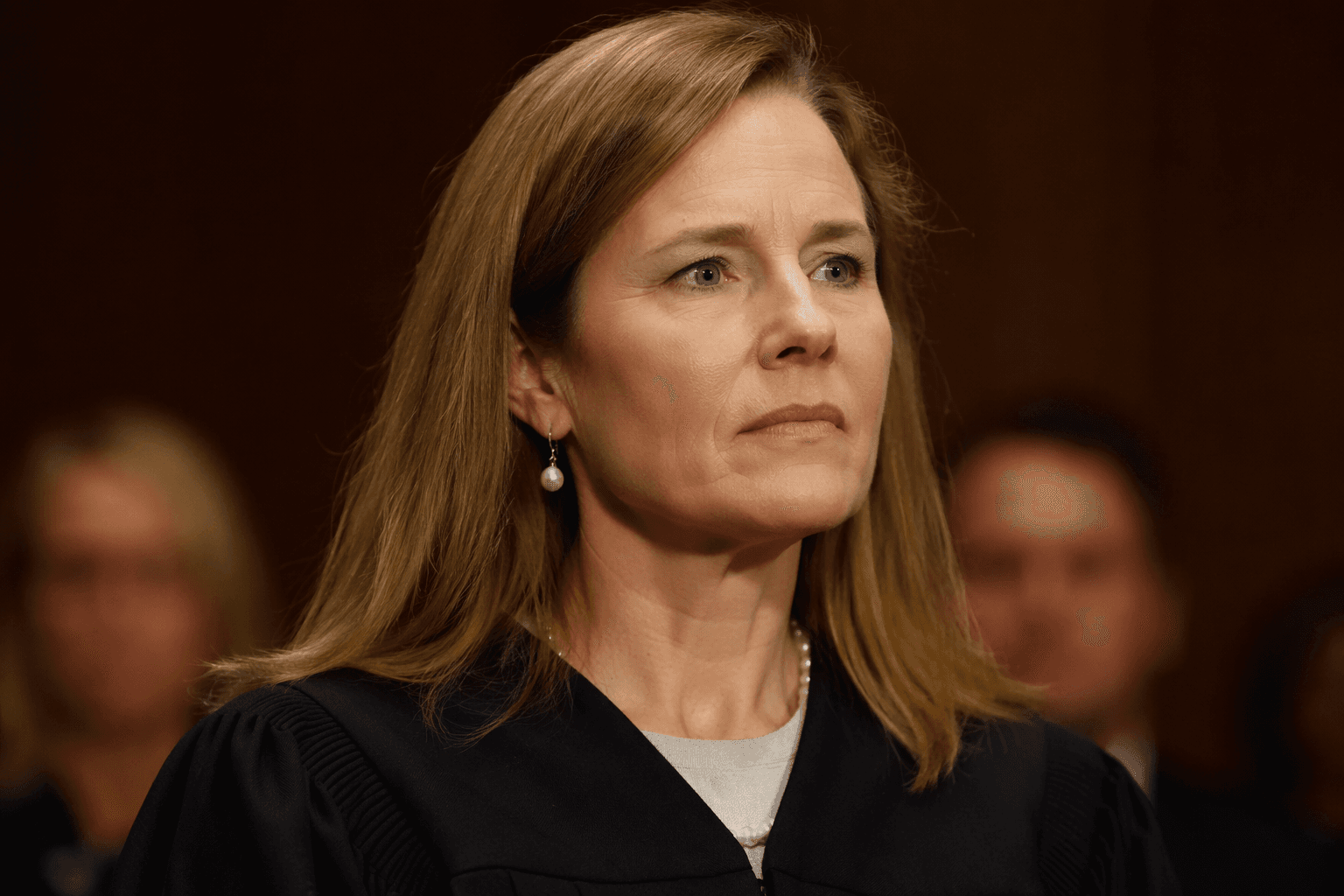
The birthright-citizenship case turned on Trump’s executive order signed on January 20, 2025, his first day back in office. The order sought to deny citizenship to children born in the United States to undocumented immigrants and some people in the country on temporary visas. Chief Justice John Roberts wrote for the 6-3 majority, and the court had already handed the administration an earlier procedural victory in 2025 by limiting the use of nationwide injunctions against the policy.
Justice Amy Coney Barrett’s role in the court’s recent Trump-related rulings has drawn sharp backlash from Trump allies and conservative commentators, who had expected a more dependable bloc on a Court with a conservative majority. Her alignment with Roberts and the court’s liberals in the birthright case, after the court had already narrowed judges’ power to block Trump’s order nationwide, underscored the gap between movement expectations and judicial independence once a justice is on the bench.
This article was produced by Prism’s automated news system from verified source data, official records, and press releases, then run through automated quality and moderation checks before publishing. The system is built and supervised by the people who set the standards it runs under. Read our full AI policy.
Did this article answer your question?

