Supreme Court upholds FCC fines process in win for Trump administration
The justices let the FCC keep using in-house fines against AT&T and Verizon, preserving a key weapon against carriers that shared customer location data.

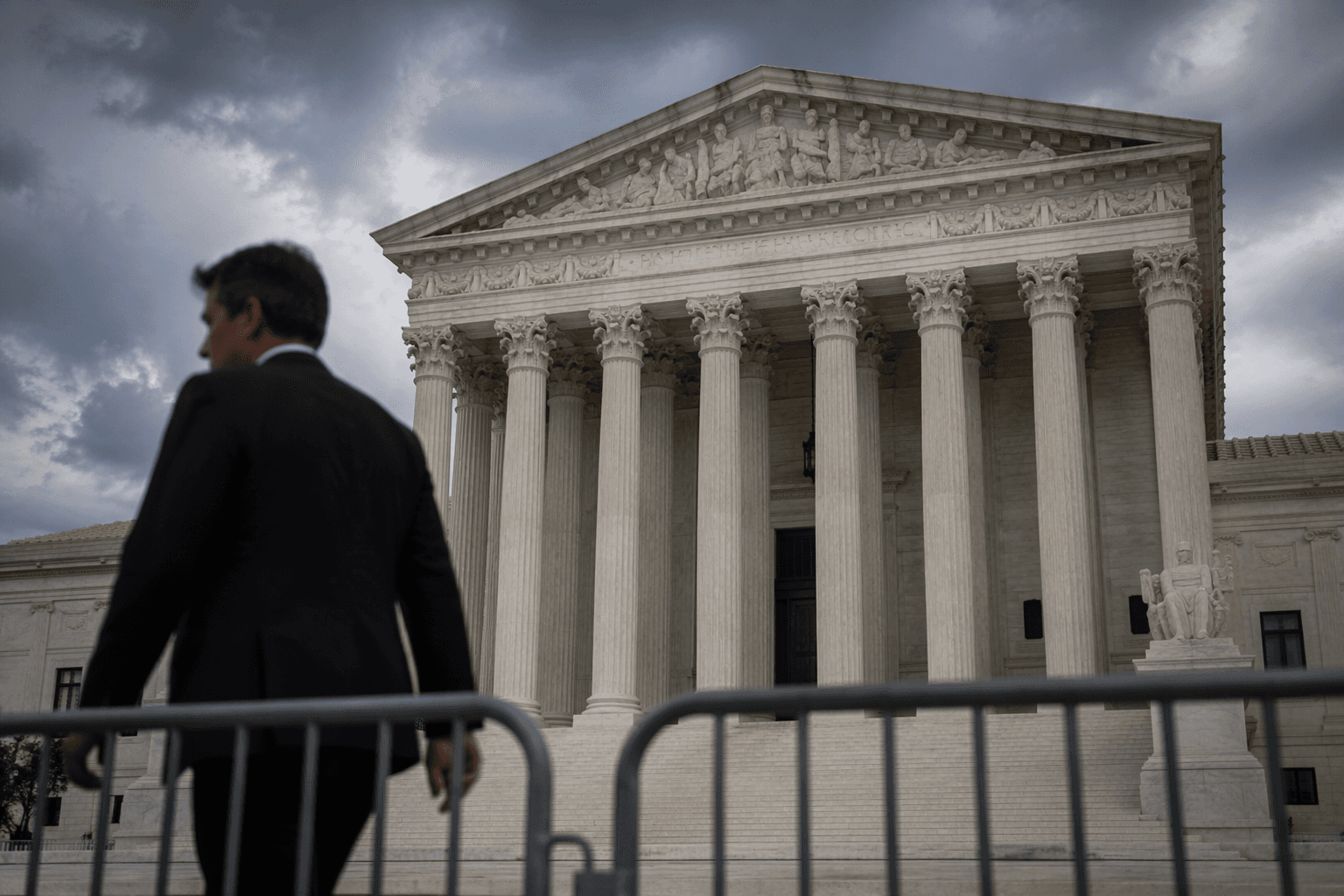
The Supreme Court preserved one of the FCC’s most powerful enforcement tools, allowing the agency to keep levying carrier fines inside its own process before disputes move to federal court. The 8-1 ruling leaves the communications regulator with a streamlined way to punish major telecom companies while still giving those firms a path to contest the penalties later.
The decision, issued June 4 in consolidated cases FCC v. AT&T, Inc. and Verizon Communications, Inc. v. FCC, was written by Chief Justice John Roberts. Justice Clarence Thomas was the lone dissenter. At stake was whether the FCC’s forfeiture process deprived wireless carriers of their right to a jury trial. The Court said no, accepting the government’s position that an FCC forfeiture order does not finally fix legal obligations on its own.
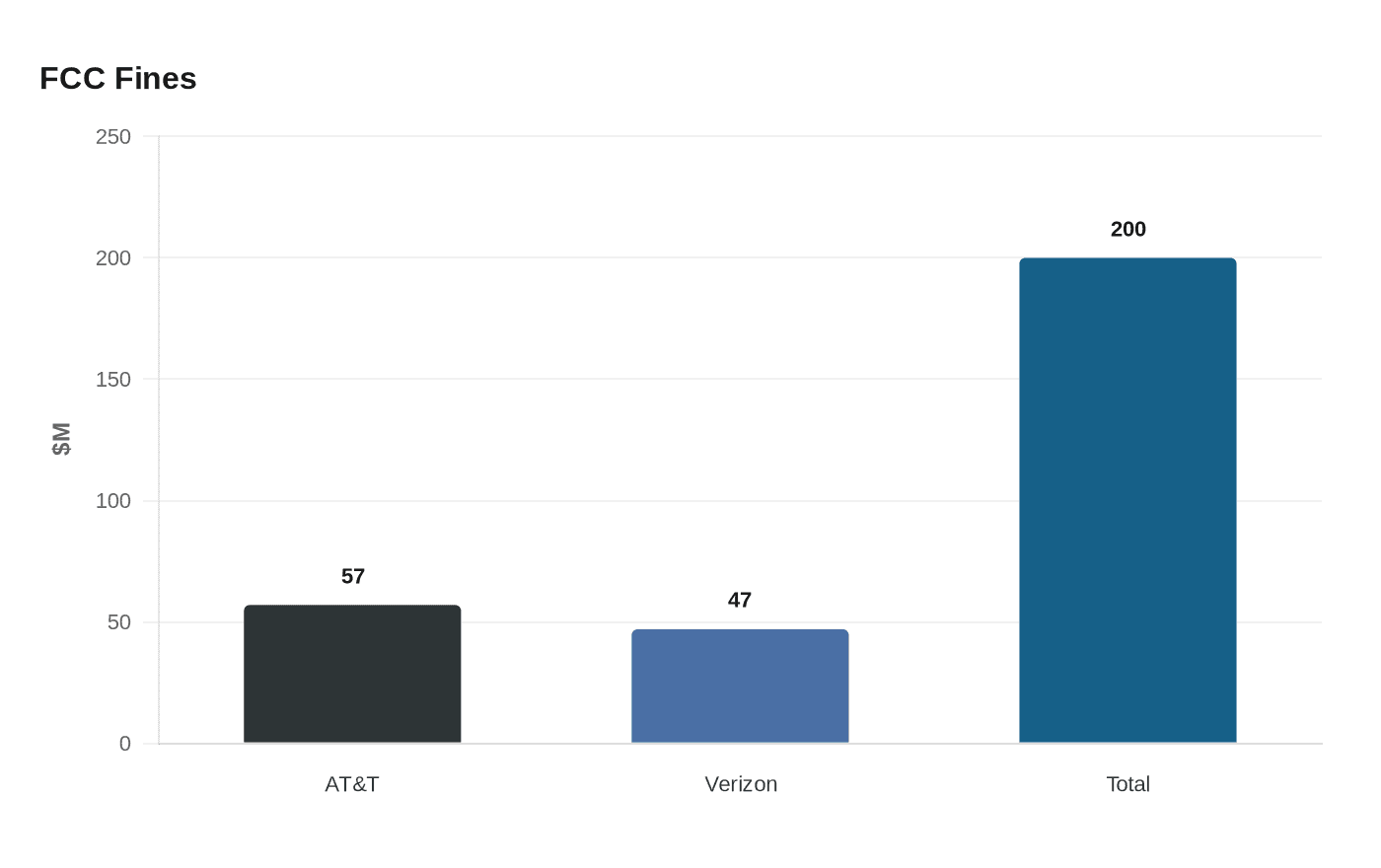
That distinction matters far beyond AT&T and Verizon. Under the Communications Act of 1934, as amended, the FCC may investigate suspected violations and seek monetary forfeitures under 47 U.S.C. §503(b). The agency first issues notices of apparent liability, then assesses penalties if it concludes a violation occurred. In this case, the FCC assessed about $57 million against AT&T and about $47 million against Verizon. Under the statute, recipients can seek review in a court of appeals, and if the government later pursues collection, the matter goes to a civil suit tried de novo in federal court.
The underlying enforcement action was rooted in a broader privacy scandal. After reports of security breaches in carrier location-based services programs, the FCC found that the nation’s largest wireless carriers had illegally shared access to customers’ location information without consent and without reasonable safeguards. The agency’s April 29, 2024 action totaled nearly $200 million across AT&T, Sprint, T-Mobile and Verizon. Investigators said location data had been passed along through aggregators and resold to more than 250 bounty hunters, raising alarms about how easily sensitive information can move from a phone signal to real-world surveillance.
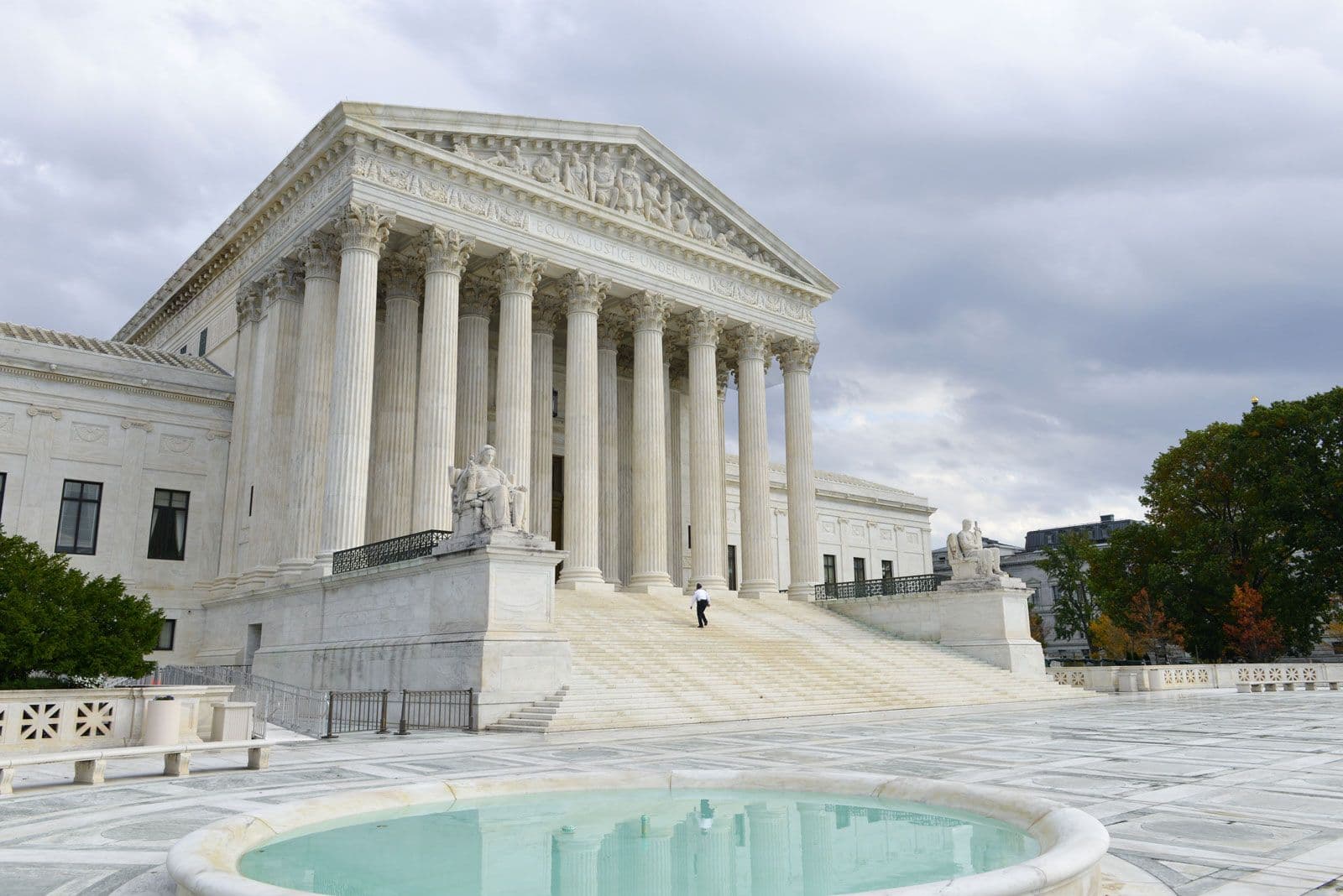
The litigation split the lower courts. The Fifth Circuit vacated AT&T’s order, while the Second Circuit upheld Verizon’s, creating the opening for the high court to settle the question. Verizon had argued that the FCC’s liability finding was arbitrary and capricious, exceeded the statutory cap and violated the Seventh Amendment. The Supreme Court did not erase those arguments from the broader debate over agency power, but it held that the FCC’s process can stand, so long as judicial review remains available later.
For regulators, the ruling protects a mechanism that reaches major carriers before they can bury disputes in delay. For consumers, especially those whose location data has been exposed, it keeps alive one of the few federal tools that can still move quickly enough to match the scale of telecom misconduct.
This article was produced by Prism’s automated news system from verified source data, official records, and press releases, then run through automated quality and moderation checks before publishing. The system is built and supervised by the people who set the standards it runs under. Read our full AI policy.
Know something we missed? Have a correction or additional information?
Submit a Tip