Supreme Court upholds Texas limit on defendant-counsel talks during testimony
The Supreme Court unanimously upholds a Texas order barring defendant-counsel discussion about ongoing testimony during overnight recesses, clarifying trial-room limits.
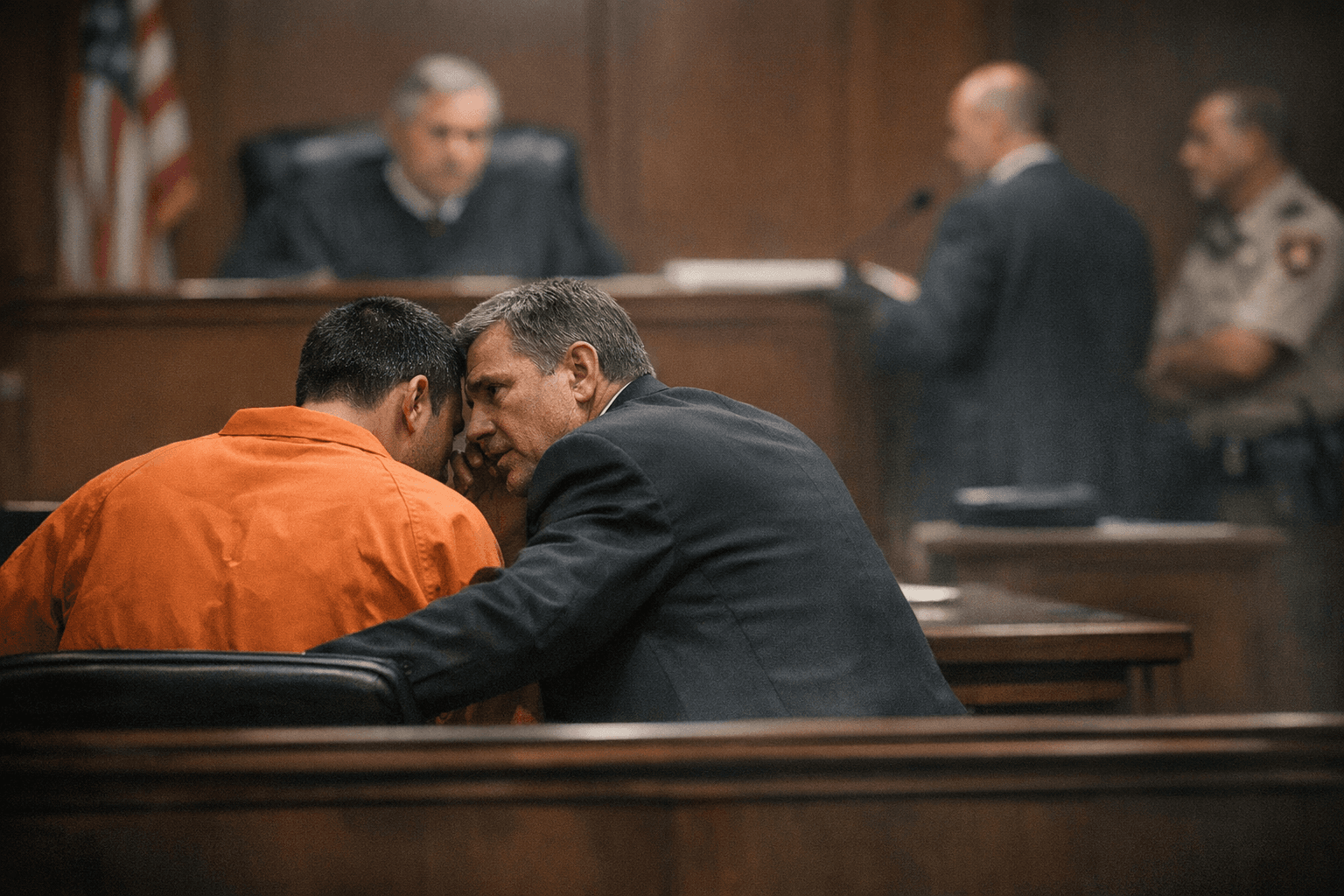
The Supreme Court issues a unanimous decision today in Villarreal v. Texas upholding a state court order that barred a defendant from discussing ongoing testimony with counsel during an overnight recess while preserving other attorney-client communications. Justice Ketanji Brown Jackson authored the opinion, which the court released on February 25, 2026.
The ruling narrows the specific circumstances in which counsel and a criminal defendant may confer while testimony is under way. It affirms a Texas trial judge's authority to impose a targeted restriction on conversations that relate to testimony that may yet be presented or rehearsed, even as it leaves intact broader rights to counsel for matters unrelated to shaping testimony. The court did not reach the defendant's underlying guilt or innocence; its decision is procedural and limited to courtroom practice.
By speaking for a unanimous bench, Justice Jackson provided lower courts a clear signal about the balance between the Sixth Amendment right to effective assistance of counsel and the state interest in preserving the integrity of live testimony. The opinion frames the restriction as a limited trial tool rather than a wholesale curtailment of attorney-client access, and it instructs trial judges to tailor orders narrowly so as to allow routine legal advice, case strategy, and other communications that do not pertain to testimony currently unfolding.
Practically, the decision will affect courtroom procedures in states across the country. Trial judges now have Supreme Court backing to issue narrowly drawn orders that prevent defendants from discussing testimony during adjournments when the court believes such discussions could improperly influence evidence still to be heard. Defense lawyers must adapt practice plans and client instructions for recesses in active trials. Prosecutors and judges may be likelier to request or impose similar limits in cases where live witness testimony continues from day to day.
Institutionally, the ruling clarifies the division of responsibility between trial courts and appellate review. Trial judges retain discretion to craft ad hoc measures to protect the factfinding process, and appellate courts will assess those measures against standards the high court described. The unanimity reduces ambiguity that had previously led to uneven treatment of similar orders in lower federal and state courts.
Civil liberties advocates and defense attorneys will likely scrutinize how narrowly courts apply the decision in practice, arguing that even targeted restrictions can chill attorney-client communications or be used unevenly across jurisdictions. Courts will face pressure to document the necessity and scope of any restrictions to withstand later review. For public confidence in criminal trials, the ruling seeks to thread a narrow path: preventing untimely influence on testimony while ensuring defendants retain meaningful access to counsel for other purposes.
Villarreal v. Texas leaves intact the broader right of defendants to consult with their attorneys, but it clearly authorizes a specific procedural limit during the live presentation of testimony. Lower courts will now translate the high court's guidance into concrete rules and orders that will determine how often defendants face such limits in everyday criminal cases.
This article was produced by Prism’s automated news system from verified source data, official records, and press releases, then run through automated quality and moderation checks before publishing. The system is built and supervised by the people who set the standards it runs under. Read our full AI policy.
Did this article answer your question?