Supreme Court weighs blocking Roundup cancer lawsuits, thousands of claims at stake
The justices appeared split over whether federal pesticide law shields Roundup from state cancer-warning claims, a ruling that could affect more than 100,000 lawsuits.
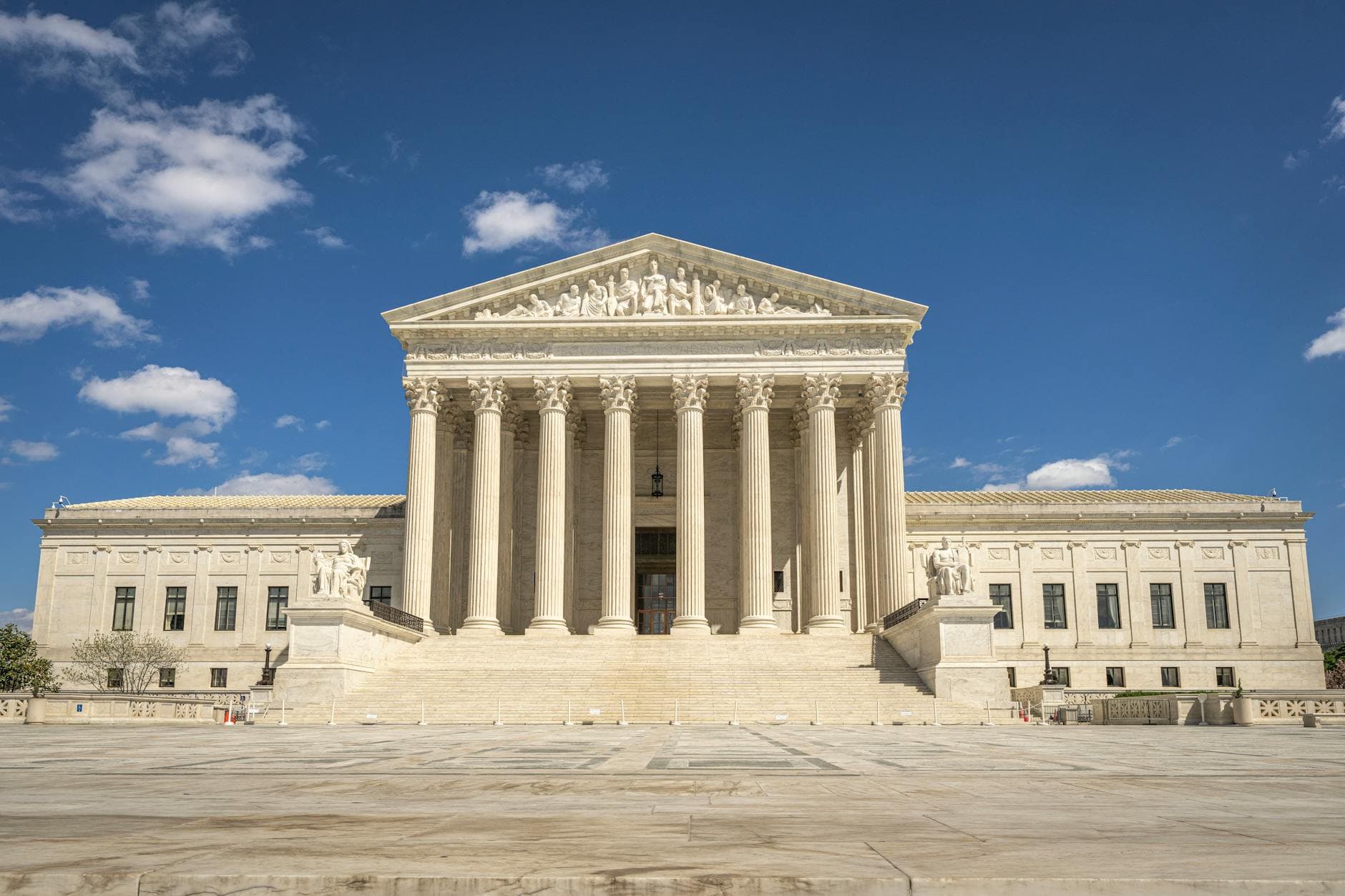
The Supreme Court stepped into the Roundup fight with a question that could reshape toxic-tort law far beyond one weed killer: whether federal pesticide rules block state failure-to-warn lawsuits when regulators have already approved the label. The case, Monsanto Company v. Durnell, could determine whether Bayer’s Roundup herbicide remains exposed to thousands of cancer claims or gains a powerful preemption defense under the Federal Insecticide, Fungicide and Rodenticide Act.
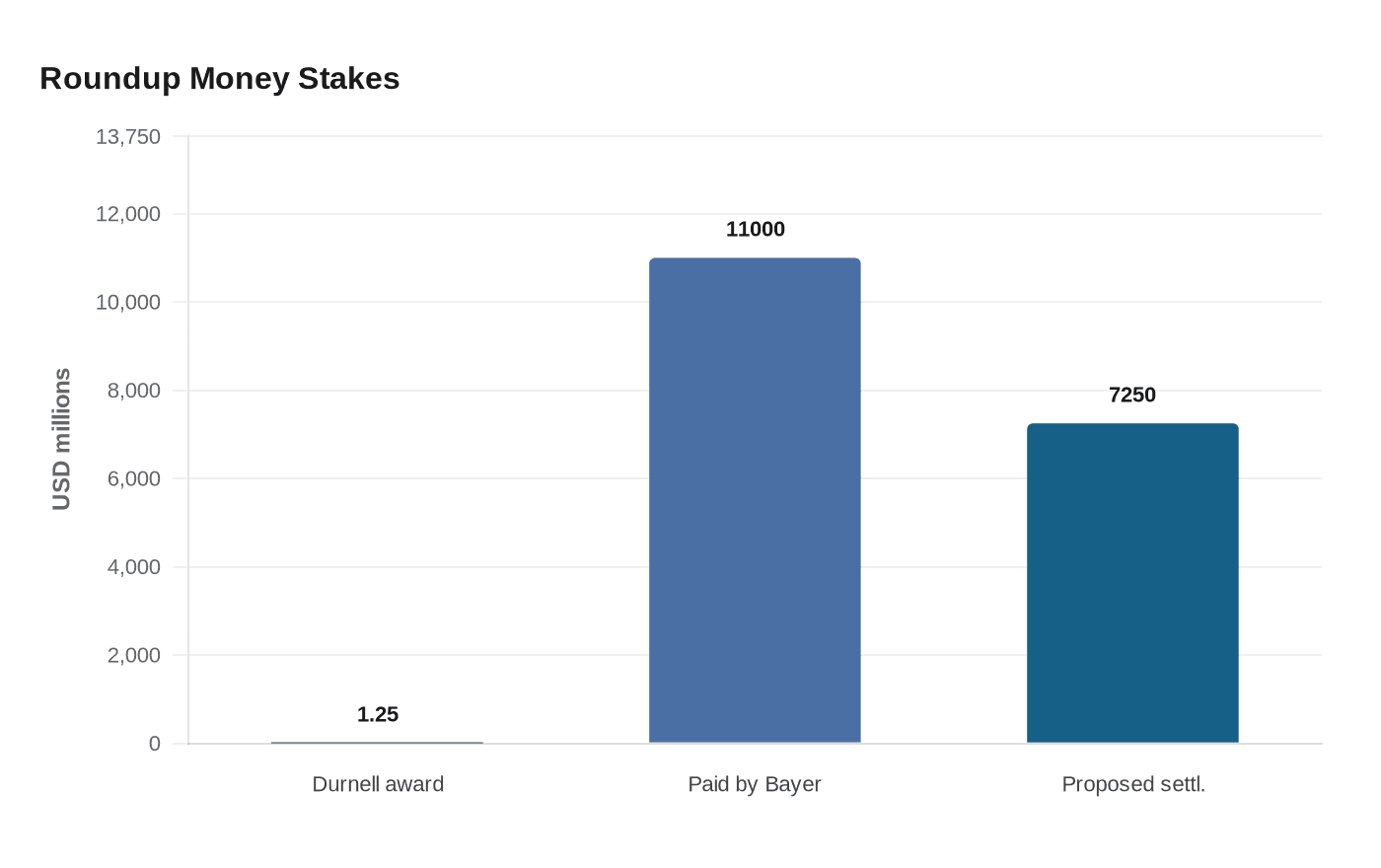
The dispute centers on John Durnell, a Missouri man who said years of exposure to Roundup caused his non-Hodgkin lymphoma. A Missouri jury awarded him $1.25 million, and Bayer appealed. At oral arguments on April 27, 2026, the justices appeared divided over Bayer’s argument that state-law warnings demanding a cancer label conflict with the federal labeling regime for pesticides.
The stakes reach well beyond Durnell’s case. Reuters has reported that the ruling could affect more than 100,000 lawsuits, while Bloomberg Law has described the litigation as involving tens of thousands of claims and billions of dollars. Bayer has already paid roughly $11 billion to resolve about 100,000 claims, and in February 2026 it proposed a $7.25 billion settlement meant to cover current and future cases, though not every claim would be included.

At the heart of the fight is a scientific and regulatory split that has fueled years of litigation. The Environmental Protection Agency says glyphosate, the active ingredient in Roundup, is not likely to be carcinogenic to humans and that there are no human-health risks of concern when the product is used according to label directions. The International Agency for Research on Cancer took the opposite view in 2015, classifying glyphosate as probably carcinogenic to humans. Those conflicting assessments have made Roundup a symbol of the wider clash between federal regulators and juries deciding whether consumers should have been warned.
The case has also drawn unusual political attention. The Trump administration supports Bayer’s preemption argument, while Sen. Cory Booker filed a brief backing cancer patients and opposing Bayer’s position. Farmer groups and farmworker advocates have urged the Court to reject Bayer’s request, while state Farm Bureau organizations have pressed for regulatory clarity for crop-protection tools.
The Court is expected to rule by the end of June 2026. Its decision could either preserve state failure-to-warn lawsuits as a backstop when federal labels are approved, or narrow them in a way that tilts power toward federal regulators and away from juries, with consequences for pesticide cases, consumer recourse and the future of mass tort litigation.
This article was produced by Prism’s automated news system from verified source data, official records, and press releases, then run through automated quality and moderation checks before publishing. The system is built and supervised by the people who set the standards it runs under. Read our full AI policy.
Did this article answer your question?

