Supreme Court weighs Roundup lawsuit limits as justices appear divided
Justices signaled a split over whether federal pesticide law can block Roundup cancer suits, a ruling that could reshape thousands of claims and Bayer's liability.
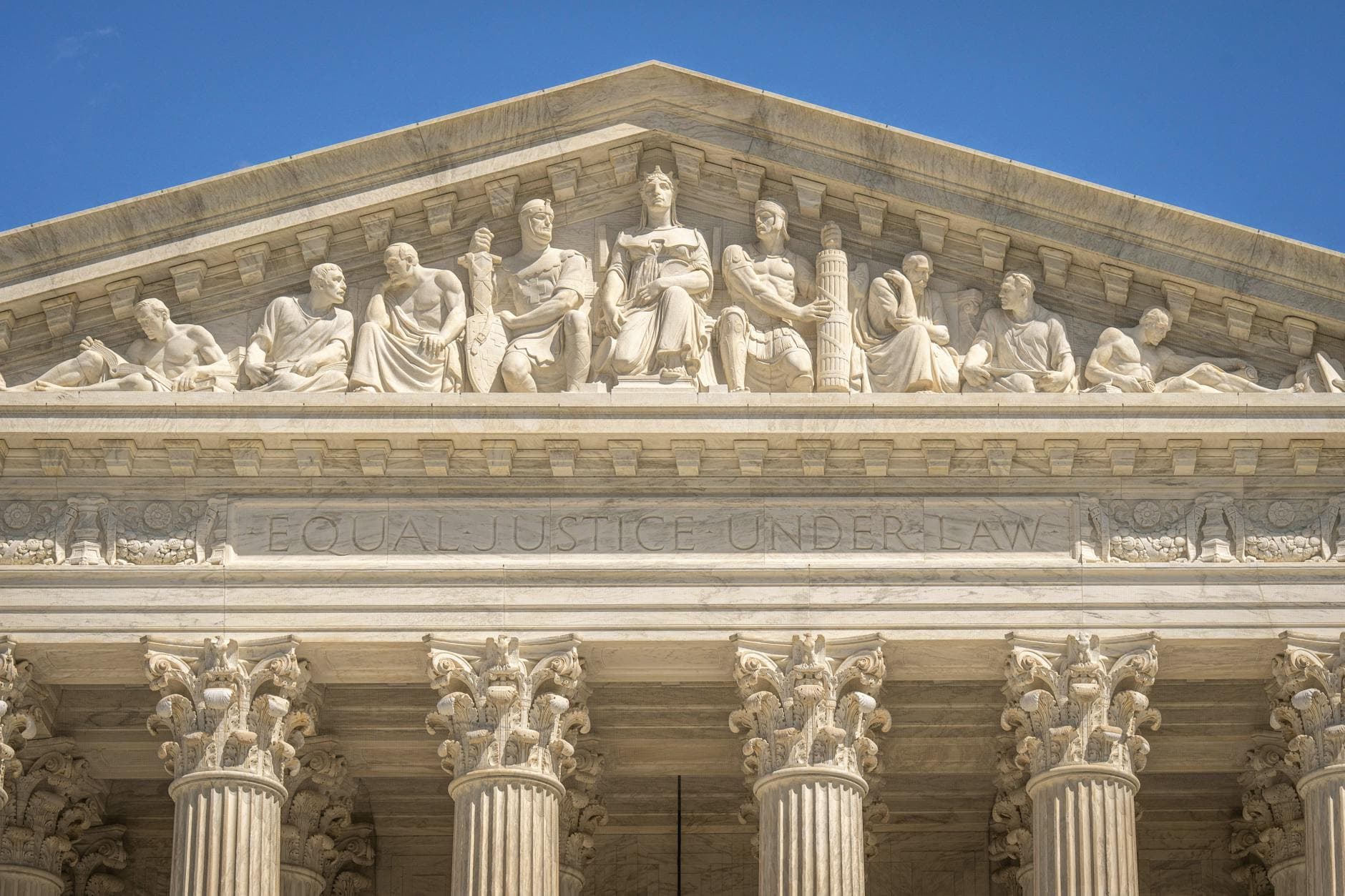
The Supreme Court’s Roundup case has become a high-stakes test of whether federal pesticide law can wipe out state failure-to-warn lawsuits, a question that could reverberate far beyond one weed killer. At argument in Monsanto Company v. Durnell, the justices appeared divided over whether the Federal Insecticide, Fungicide, and Rodenticide Act bars claims that a company should have warned consumers about cancer risks when the Environmental Protection Agency has not required that warning.
The fight centers on John Durnell, who won a $1.25 million Missouri state-court verdict after alleging that years of Roundup exposure caused his non-Hodgkin lymphoma. Bayer, which owns Monsanto, wants the Court to shut down thousands of similar lawsuits nationwide, arguing that federal law prevented it from adding a cancer warning without EPA approval. A ruling for Bayer could sharply narrow corporate liability in one of the largest product-liability battles in U.S. history, with wide implications for consumers who rely on state tort law when federal regulators do not act.
The legal backdrop stretches back to March 2015, when the International Agency for Research on Cancer classified glyphosate, Roundup’s active ingredient, as probably carcinogenic to humans. That finding has fueled years of litigation and public distrust, even as Bayer and Monsanto have maintained that EPA has not required a cancer warning on Roundup labels. The Court is also weighing the case against its own pesticide-preemption precedent, Bates v. Dow Agrosciences LLC, decided on April 27, 2005, which remains central to disputes over how far federal regulation reaches into state-law claims.
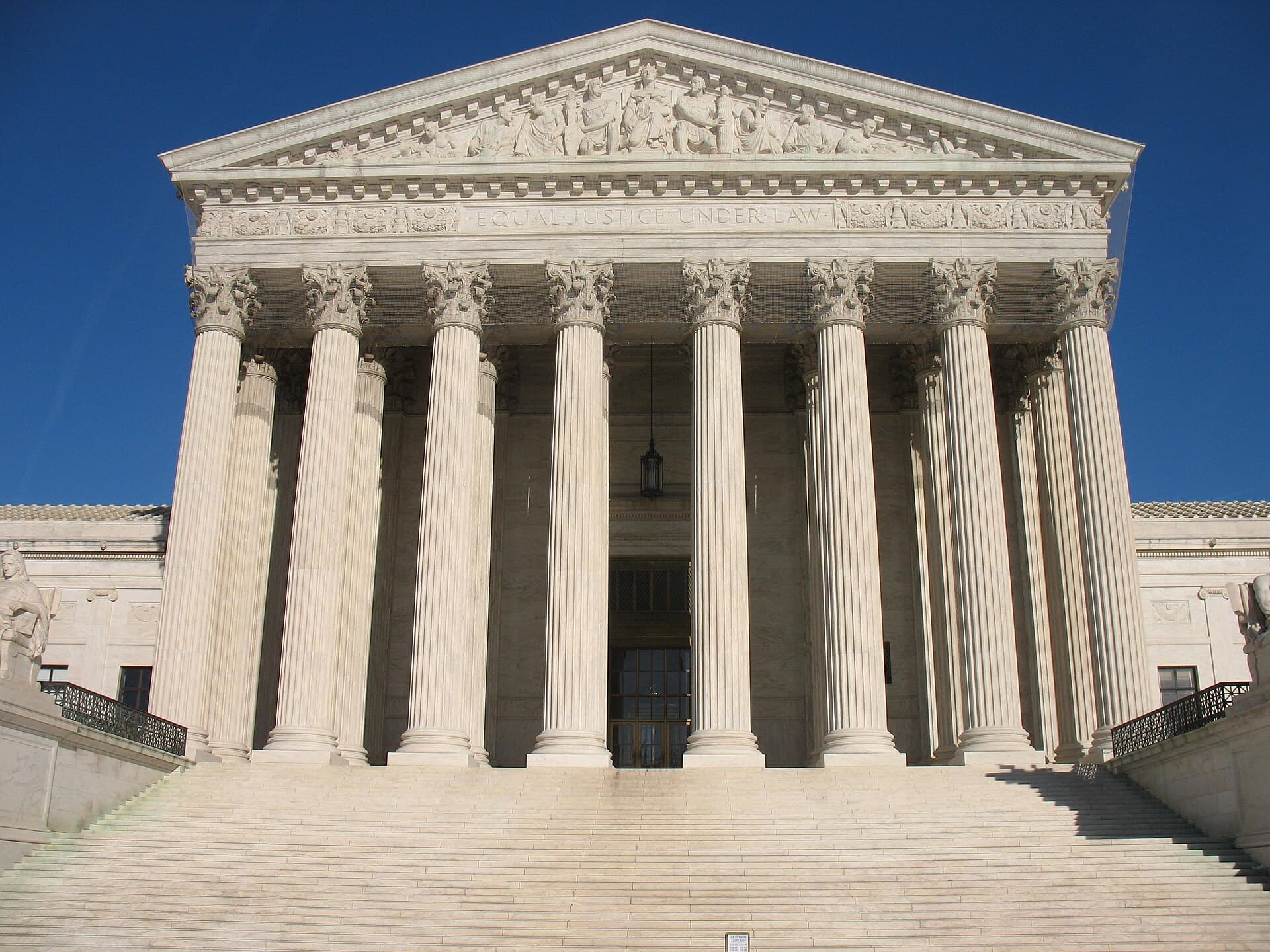
The political pressure around the case has been intense. California Attorney General Rob Bonta joined a coalition of 17 attorneys general opposing preemption, while Illinois Attorney General Kwame Raoul said the outcome could affect states’ ability to provide access to justice for people injured by pesticide manufacturers. Earthjustice said the case is one of thousands brought by people who developed non-Hodgkin’s lymphoma after using Roundup, underscoring how much is riding on the justices’ interpretation of a single federal statute.
The Court is expected to issue a decision by the end of June 2026, a ruling that could determine whether consumers harmed by products approved under federal law can still turn to state courts for relief. For Bayer, the stakes are financial as well as legal, after years of Roundup litigation have already cost the company billions and left tens of thousands of claims still pending.
Sources:
Know something we missed? Have a correction or additional information?
Submit a Tip