Survey Finds Over Half of Navajo Nation Hardship Payments Spent Off Reservation
More than half of hardship payments to Navajo Nation recipients were spent off the reservation, the survey released Feb 12, 2026 found.
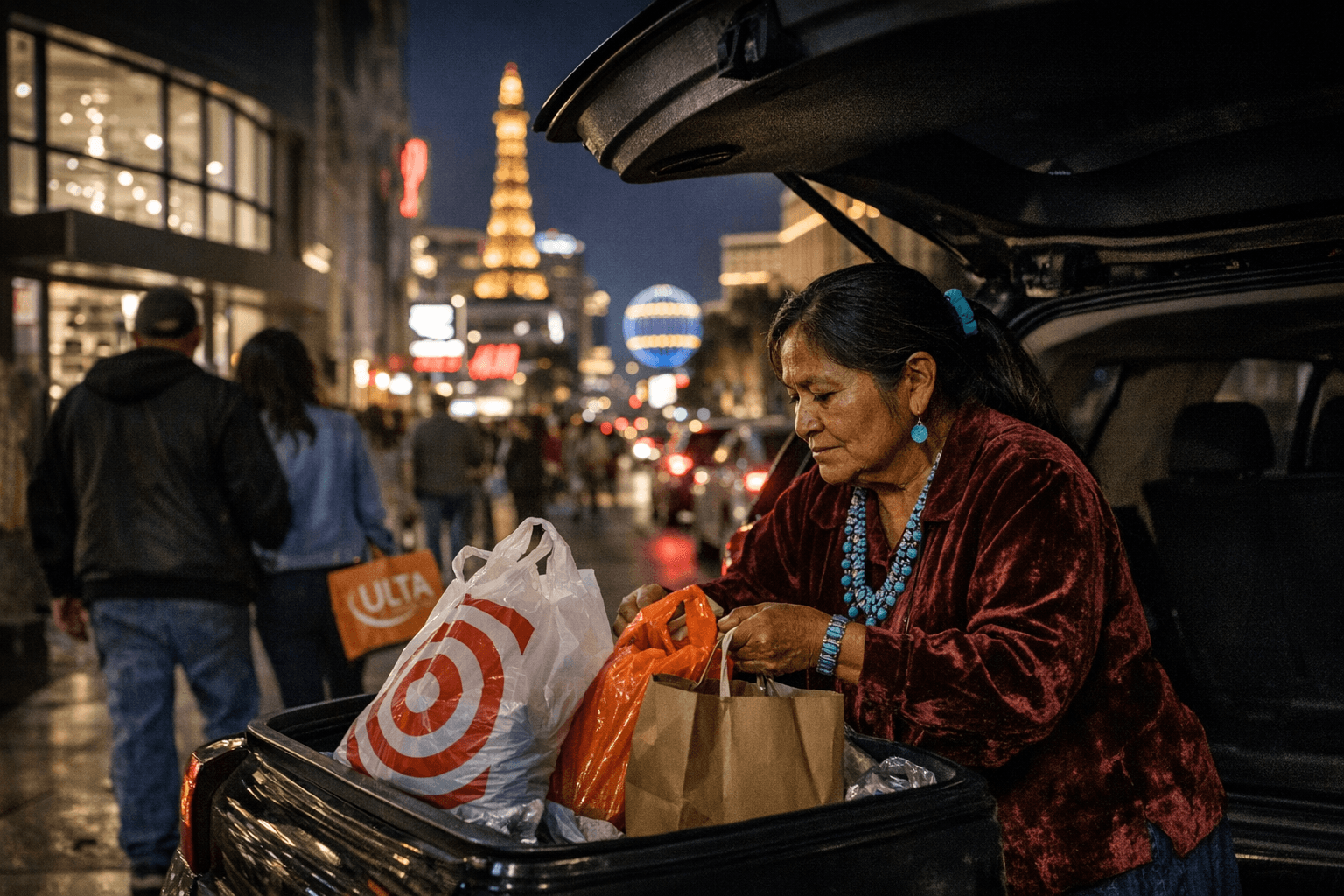
More than half of hardship payments made to residents of the Navajo Nation were spent off the reservation, a survey and analysis released Feb 12, 2026 found, raising new questions for Apache County towns that rely on local consumer spending. The payments studied include COVID-era relief and other emergency hardship disbursements aimed at households across the Nation, and the pattern of outflow spans purchases at off-reservation retailers and online merchants.
The survey examined how recipients used hardship dollars and identified a consistent tendency to spend outside reservation boundaries. That spending behavior affects commerce in Window Rock, Fort Defiance, Chinle and other Apache County communities where grocery stores, gas stations and service businesses depend on steady local demand. Local governments and tribal programs that budget for social services and economic development now face the prospect that a large share of relief cash does not circulate in the on-reservation economy.
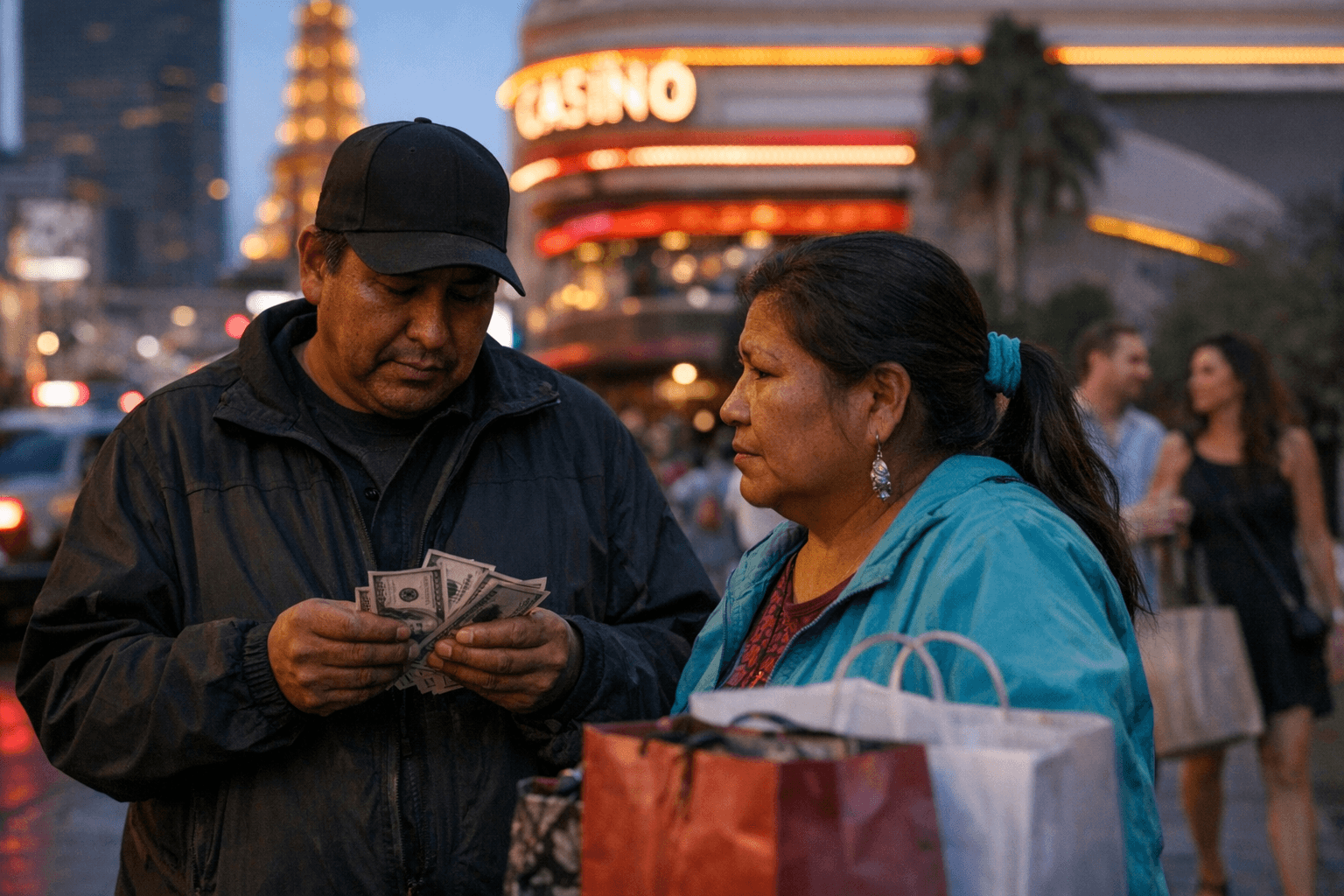
Fiscal implications for Apache County are concrete. When more than 50 percent of transfer payments leave the reservation, the local sales base shrinks, reducing sales-tax receipts for communities like St. Johns as well as revenue flowing to Navajo Nation programs centered in Window Rock. County commissioners and tribal budget officers setting priorities for roads, health clinics and school funding must account for that leakage when projecting the multiplier from federal and tribal hardship payments.
For merchants in Ganado, Sanders and Holbrook, the survey’s findings signal competitive pressure from off-reservation outlets and digital platforms. Local business owners who attended recent community meetings in Window Rock and Chinle have raised concerns about shopper trips to nearby towns and online vendors that accept card and digital payments more readily than some on-reservation stores. The pattern also underscores longstanding infrastructure gaps - broadband, electronic payment systems and supply chains - that influence where recipients can spend emergency funds.
Policy responses under consideration in Apache County and Navajo Nation planning circles range from incentivizing local merchant adoption of electronic payment systems to boosting procurement of locally produced goods. Budget planners in tribal offices face trade-offs: allocating limited dollars to immediate household assistance versus investments that could retain a greater share of future relief spending within reservation communities. The survey’s authors note that tighter local capture of transfers would raise the local multiplier and strengthen funding for services concentrated in Window Rock and Fort Defiance.
The Feb 12, 2026 survey does not change the short-run intent of hardship payments, which remain vital for families coping with pandemic aftershocks and other emergencies. What it does do is put new pressure on elected officials in Apache County, Navajo Nation administrators and local business leaders to translate relief dollars into longer-term economic gains for reservation communities.
Sources:
Know something we missed? Have a correction or additional information?
Submit a Tip