Survivors' Lawyers Say Baltimore Archdiocese Bankruptcy Could Soon Resolve
Survivors' lawyers told a Baltimore gathering on March 4 they are cautiously optimistic mediation can end the Archdiocese of Baltimore's Chapter 11 after more than two years of negotiations.
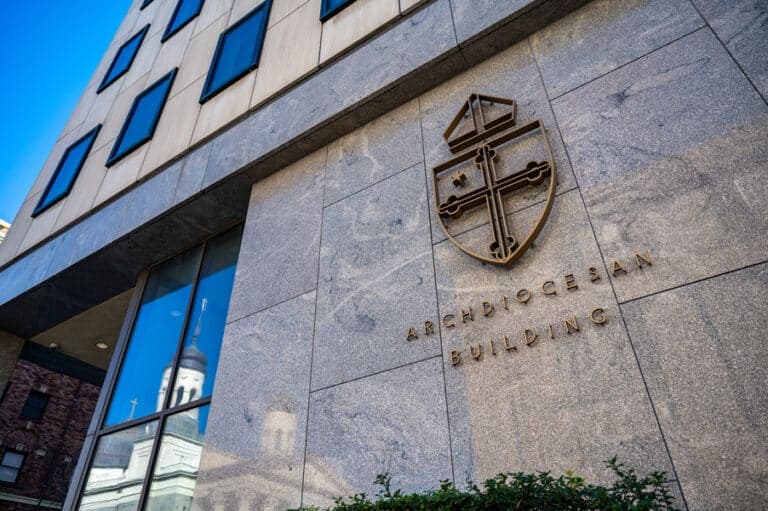
Survivors’ lawyers told community members in Baltimore on March 4 they are cautiously optimistic a negotiated plan could bring the Archdiocese of Baltimore’s Chapter 11 bankruptcy to a close, saying ongoing mediation and a series of scheduled meetings make a settlement possible. Mediation over payouts for hundreds of survivors has been under way for more than two years since the Archdiocese filed for bankruptcy, and parties expect talks to continue into 2026.
The Official Committee of Unsecured Creditors, which represents survivors in the case, will meet seven times between January and March as part of the mediation calendar, the committee said. The Archdiocese previously proposed a plan that would pay survivors $33 million plus all available insurance proceeds; Theresa Lancaster, a survivor and lawyer representing survivors, called that figure “an insult,” and said the creditors’ committee rejected it and will press for a higher settlement at mediation.
Court filings in the bankruptcy specify a key procedural cutoff: people who filed civil claims against the Archdiocese before May 31, 2025 are treated as creditors and their claims are resolved in bankruptcy court rather than in civil jury trials. Filings also show later‑filed claims will be held dormant while negotiations over earlier claims proceed, a dynamic that survivor counsel say concentrates leverage on claims already docketed.
Settlement fund attorneys representing survivors have asked the judge for clarifications about how the law will affect distributions, and those filings warn that bankruptcy fund administrators now hold substantial power over how survivors’ claims are processed and paid. The bankruptcy court has already held two sessions in which a judge heard impact statements from survivors, and a group representing survivors has formally requested additional impact‑statement sessions.
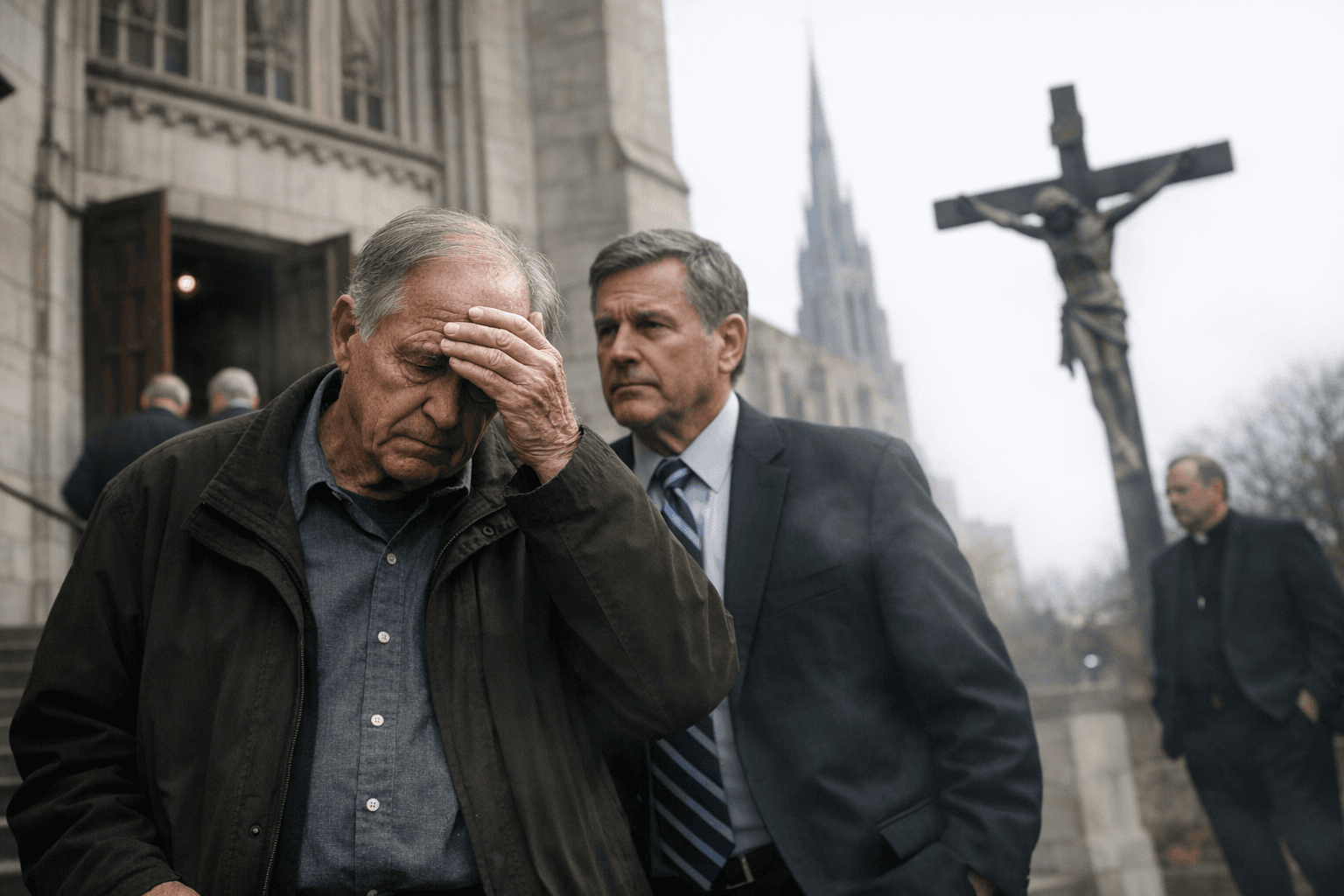
Parties met in a hearing on Jan. 5 and told the court they remain willing to negotiate despite concerns among survivors about how long mediation has dragged on. With hundreds of claimants and complex questions about insurance proceeds and the mechanics of a settlement fund, lawyers say the work ahead will focus on translating negotiated dollar figures into enforceable payment schedules and oversight for the fund administrators who will distribute awards.
If mediation closes with a deal, survivors and the Archdiocese could see Chapter 11 resolved without reopening hundreds of individual civil suits; if talks stall, claimants face the prospect of renewed litigation. For now, survivors’ counsel say cautious optimism and the committee’s intensive meeting schedule give Baltimore a clearer path to a resolution sometime in 2026.
Know something we missed? Have a correction or additional information?
Submit a Tip