Survivors say Army ignored pleas for medical support before Kuwait strike
Survivors say they warned commanders weeks before the Kuwait strike, but no added medical support arrived before six soldiers died at Port of Shuaiba.
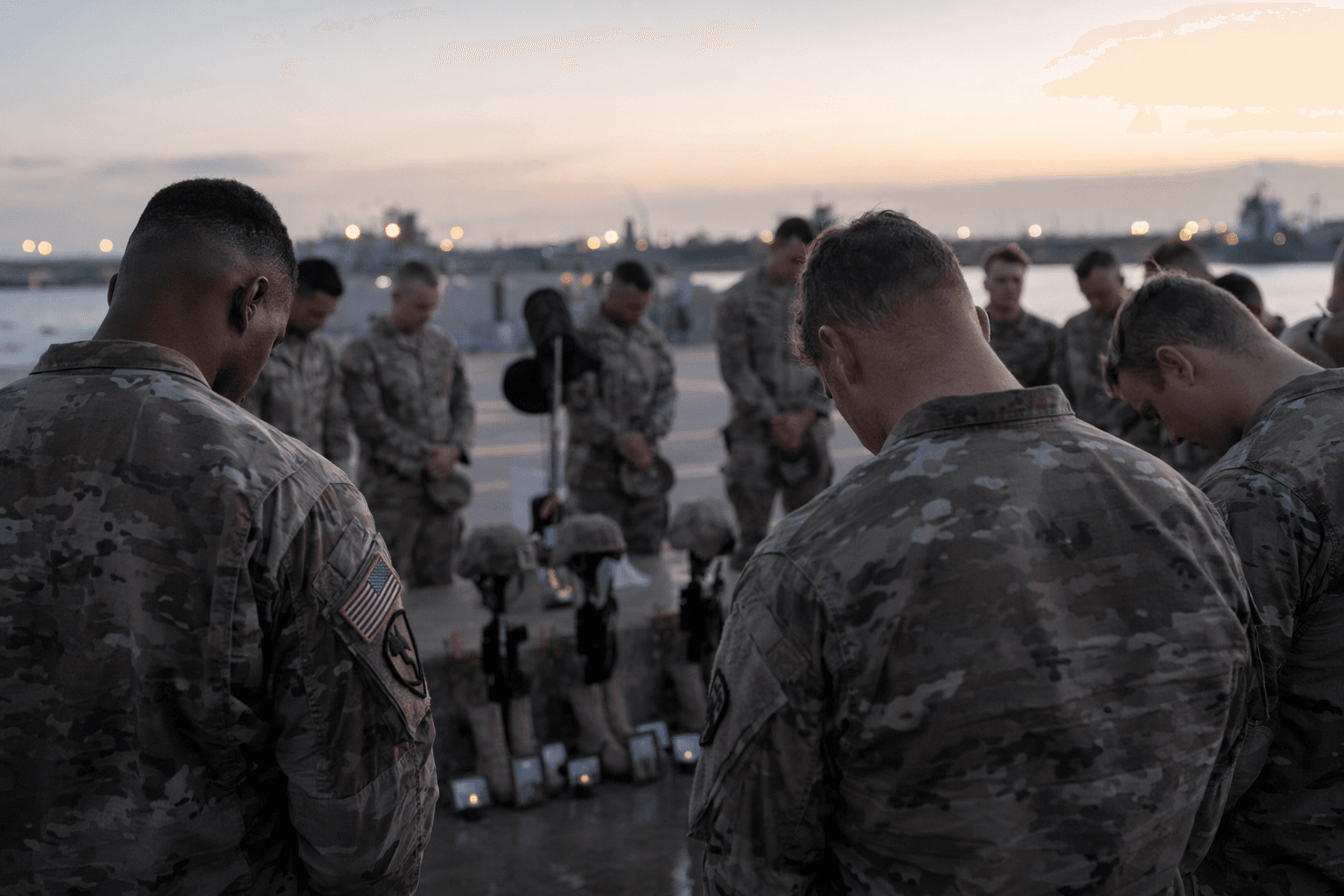
Survivors of the March 1 Iranian drone strike in Kuwait say the Army ignored repeated pleas for more medical support before the blast killed six soldiers and wounded 20 at the Port of Shuaiba. Their accounts put the question of accountability at the center of the attack: who had the authority to add medical protection, and why did no one act when the warning signs were already clear?
The soldiers were assigned to the Army Reserve’s 103rd Sustainment Command, based in Des Moines, Iowa. Survivors said the unit had asked for additional medical support weeks before the strike, including a doctor and a fixed aid station, but those requests were not met. They also said there was only one ambulance at the post, leaving the command dangerously exposed when the attack came.
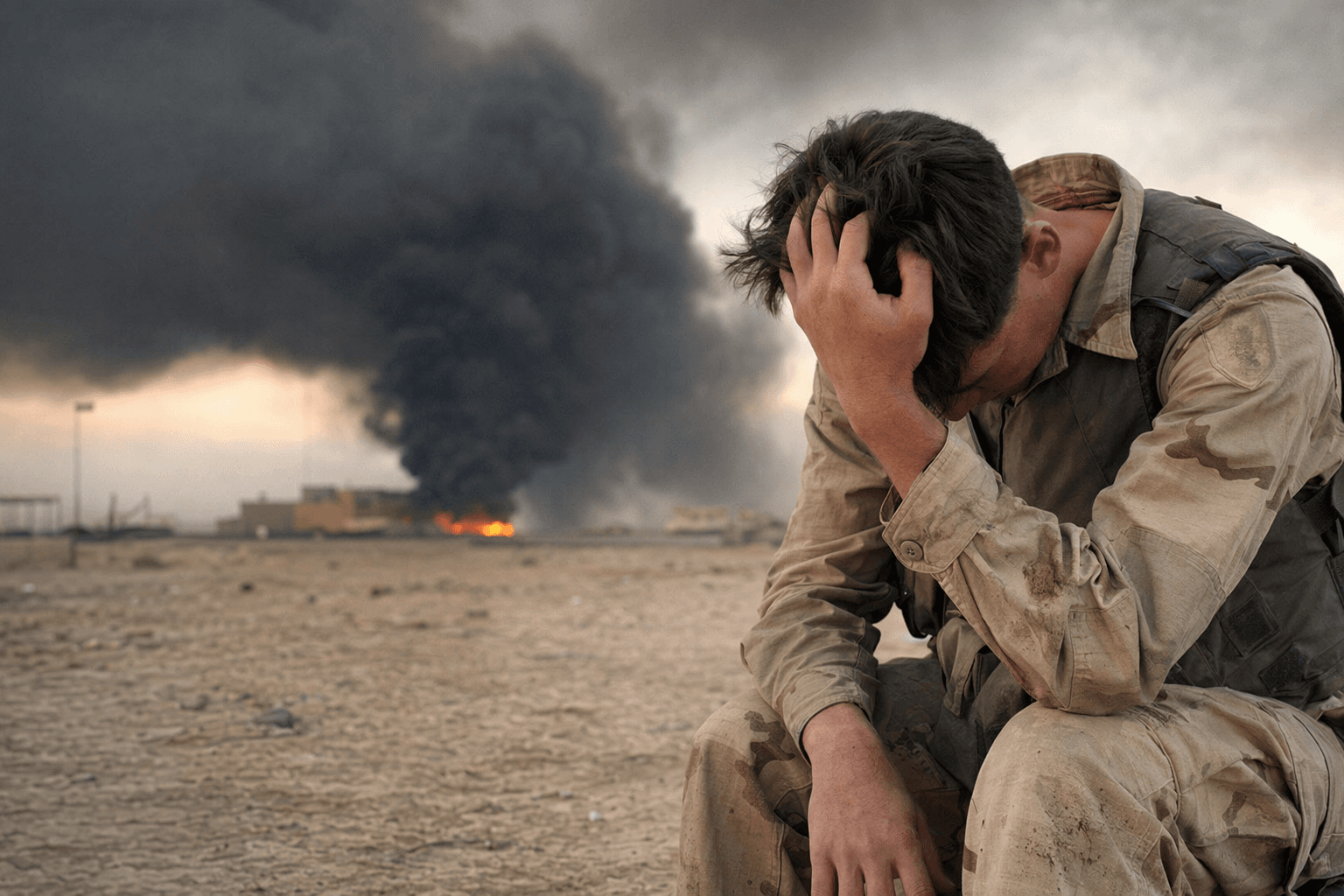
Major Stephen Ramsbottom said he expected an ambulance convoy to arrive after the strike, but no help came. Survivors said that if more medical resources had been onsite, at least one of the dead, Sgt. 1st Class Nicole Amor, 39, of White Bear Lake, Minnesota, might have survived. The dead also included Capt. Jeffrey O’Brien, 45, of Waukee, Iowa; Capt. Bryan Bratland, 43, of Dysart, Iowa; Chief Warrant Officer 3 Robert Marzan, 54, of Spotsylvania, Virginia; Sgt. 1st Class William J. Morris, 46, of Taylor, Missouri; Staff Sgt. Cody Khork, 35, of Winter Haven, Florida; Sgt. Noah Tietjens, 42, of Bellevue, Nebraska; and Sgt. Declan Coady, 20, of Des Moines.
The attack unfolded amid Operation Epic Fury, the U.S. military campaign launched against Iranian targets after the strike. U.S. Central Command initially said three service members had been killed and five seriously wounded as of 9:30 a.m. ET on March 1, before the death toll rose to six by March 2. Capt. Tim Hawkins of CENTCOM said accusations of blatant disregard for troop safety were “unfounded and inaccurate,” even as survivors disputed the Pentagon’s description of the site as fortified and said the unit had been left exposed.
The broader criticism has not faded. Survivors had previously said the post was already a known target for an Iranian drone strike before the attack, adding to the argument that the loss of life was preventable. In May 2026, Sen. Tammy Baldwin pressed Defense Secretary Pete Hegseth over delayed care for injured servicemembers, widening the political fallout from the Kuwait attack and the military’s response.
Know something we missed? Have a correction or additional information?
Submit a Tip