Survivors speak out as man charged in poisonings of two women
Cellphone pings led investigators from a Los Angeles night out to two hospital drop-offs, and survivor testimony helped expose what the victims could not say.

A masked pair in a black Prius left Christy Giles and Hilda Marcela Cabrales at two Los Angeles hospitals within hours of each other, but the phones the women had shared for safety helped investigators reconstruct their last movements after a night out turned deadly. In a case built on digital traces and survivor accounts, the phrase “dead girls don’t talk” became part of the evidence showing why the women’s voices were needed by others.
Giles, 24, a fashion model from Alabama, and Cabrales, 26, an architect and interior designer from Mexico who had recently moved to Los Angeles, went out on Friday, Nov. 12, 2021, for a nightclub visit and a warehouse party. Giles and her husband, Jan Cilliers, routinely shared their locations, while Cabrales had designated a friend as her emergency contact. When the women stopped responding, those location pings gave relatives and investigators a way to track where they had been.
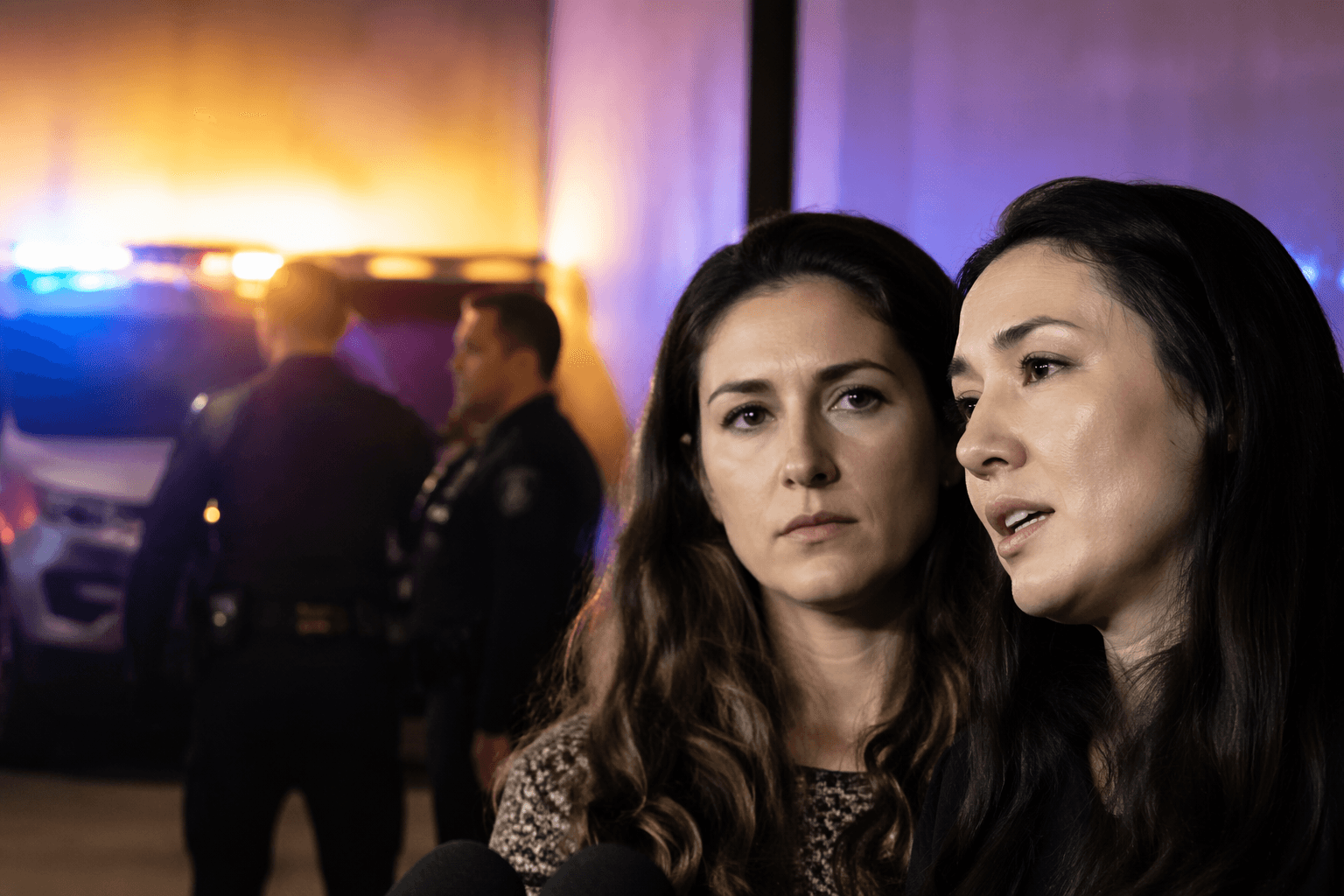
Around 5 p.m. on Saturday, Nov. 13, 2021, the masked men dropped Giles at Southern California Hospital in Culver City. About two hours later, they left Cabrales at Kaiser Permanente Hospital in Los Angeles. Hospital staff said the men claimed they had found the women unconscious on the street and were trying to be “good Samaritans,” but they left without giving names or phone numbers. Detectives later determined that both women had been drugged and dumped outside the hospitals.
Giles was pronounced dead on arrival. Cabrales was still alive, but critically ill in the ICU. After two weeks with no sign that she would regain consciousness, her family took her off life support. The strain on both families was immediate and public: Giles’ mother, Dusty Giles, said she fell apart when she learned her daughter had died, while Cabrales’ mother, Dr. Hilda Marcela Arzola-Plascencia, received a middle-of-the-night call that her daughter was intubated and in very bad shape and did not understand what had happened. Cabrales’ sister, Fernanda Cabrales-Arzola, later told her sister it was OK to let go.
David Pearce was ultimately convicted of first-degree murder in the deaths of Giles and Cabrales and found guilty of raping seven women. The case showed how investigators can piece together a poisoning through phones, hospital records and witness statements when the women who escaped become the key witnesses for those who did not survive.
This article was produced by Prism’s automated news system from verified source data, official records, and press releases, then run through automated quality and moderation checks before publishing. The system is built and supervised by the people who set the standards it runs under. Read our full AI policy.
Know something we missed? Have a correction or additional information?
Submit a Tip