Suspect arrested in 1993 Bronx double murder after fingerprint breakthrough
Decades-old fingerprints from a 1993 Bronx double homicide helped lead to William Antonio Solis’s arrest in Tampa after investigators named him last year.

Federal agents arrested William Antonio Solis in Tampa, Florida, on Wednesday, turning a 33-year-old Bronx double homicide into a live case again after investigators tied him to fingerprints recovered at the scene in 1993.
The killings took place on June 21, 1993, inside 1386 Nelson Avenue, where prosecutors say Luis Guerrero and Danis Sime were shot during a drug-related robbery and kidnapping. NYPD Commissioner Jessica S. Tisch said the murders were committed “right in front of their three-year-old child,” a detail that has kept the case etched in the city’s memory for more than three decades.
According to the U.S. Attorney’s Office for the Southern District of New York, Solis was identified as a suspect only last year and was arrested by Homeland Security Investigations agents. Prosecutors say Solis was also known as “Vegano” and “La Vega,” and that the indictment charges him with murder while engaged in a narcotics conspiracy involving five kilograms or more of cocaine.
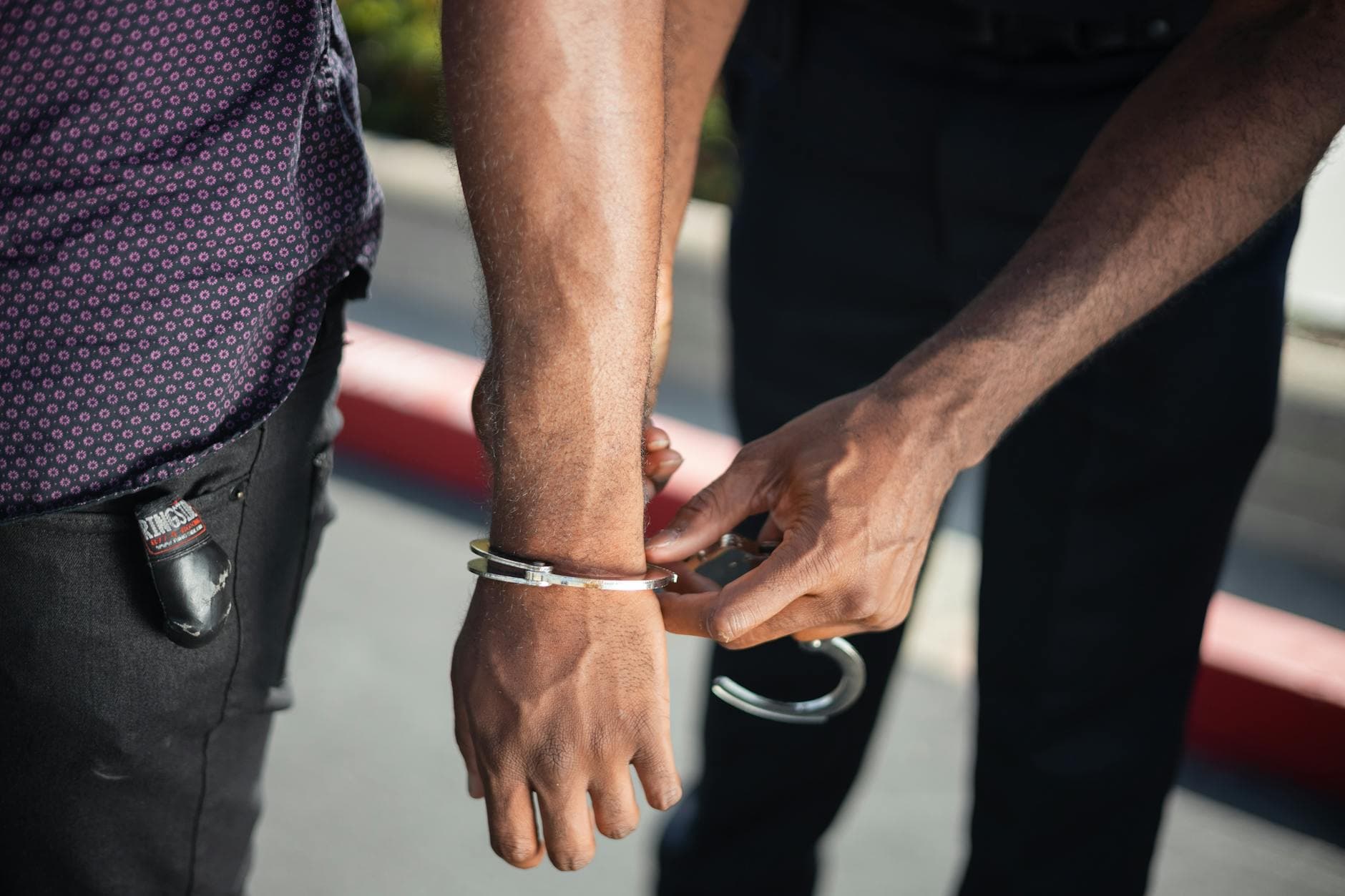
The Justice Department said Solis is expected to be presented before U.S. Magistrate Judge Lindsay Saxe Griffin in the Middle District of Florida. The indictment has been assigned to U.S. District Judge Laura Taylor Swain in the Southern District of New York, where federal prosecutors will press the case built from evidence that outlasted decades of delay.
For New York, the arrest underscores how cold-case homicide work has changed. Investigators now rely on forensic review that can revive old fingerprints, re-examine dormant files, and connect long-ignored evidence to modern suspect identification. Jay Clayton, the U.S. attorney, said the case “haunted a family and the people of New York” for more than 30 years. The breakthrough offers the same message to other stalled homicide investigations nationwide: evidence collected in one era can still deliver an arrest in another.
This article was produced by Prism’s automated news system from verified source data, official records, and press releases, then run through automated quality and moderation checks before publishing. The system is built and supervised by the people who set the standards it runs under. Read our full AI policy.
Did this article answer your question?