Suspect sprinted through White House Correspondents' Dinner checkpoint, shot Secret Service officer
A suspect sprinted through the White House Correspondents' Dinner checkpoint and fired into the ballroom, leaving a Secret Service officer alive after a vest-pocket cellphone may have taken the hit.
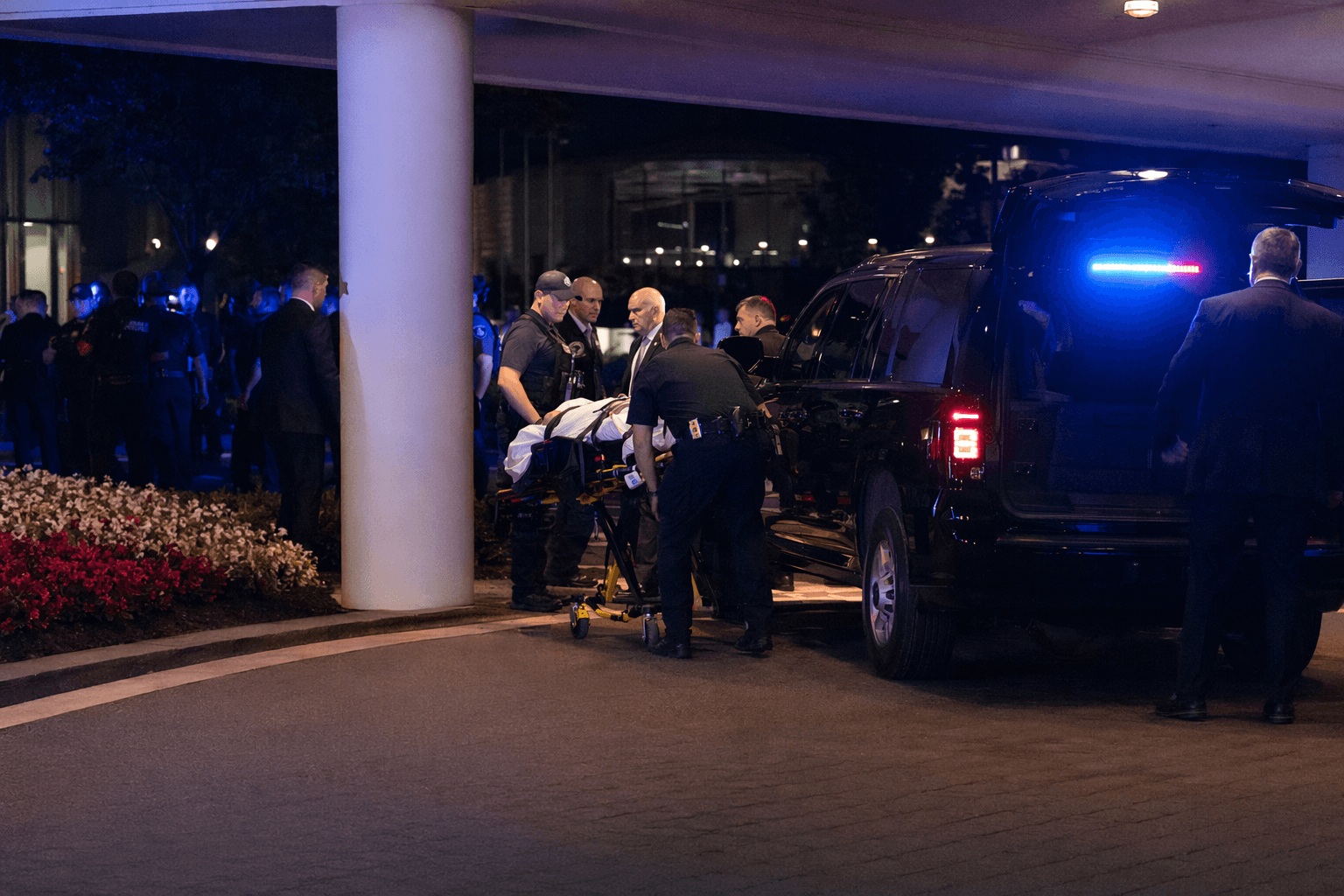
A man carrying a long gun broke through the security checkpoint at the White House Correspondents’ Dinner and fired into a room packed with more than 2,500 people at the Washington Hilton, turning one of Washington’s most protected political events into a live security emergency.
Authorities identified the suspect as 31-year-old Cole Tomas Allen of Torrance, California. Investigators say Allen had reserved a room at the Hilton on April 6, traveled by train from Los Angeles to Chicago and then to Washington, and checked in on Friday, April 24. Hotel surveillance allegedly showed him leaving his 10th-floor room with a shotgun, a handgun and several knives in a black bag.
Officials said Allen approached the magnetometer and ran through it holding a long gun at about 8:40 p.m. Secret Service personnel at the checkpoint heard a loud gunshot moments later, and at least five to eight shots were fired during the incident. The dinner, which was underway with salad courses on the table, was abruptly halted as armed agents rushed President Donald J. Trump, first lady Melania Trump, Vice President JD Vance and other high-ranking officials out of the room.
A Secret Service officer identified only as Officer V.G. was shot once in the chest while wearing a ballistic vest. Investigators now say the round may have struck the officer’s cellphone in a pocket of the vest, rather than penetrating the protection. That detail has sharpened attention on how a single object, tucked into a vest pocket, may have helped save a life in a venue designed to be tightly controlled.
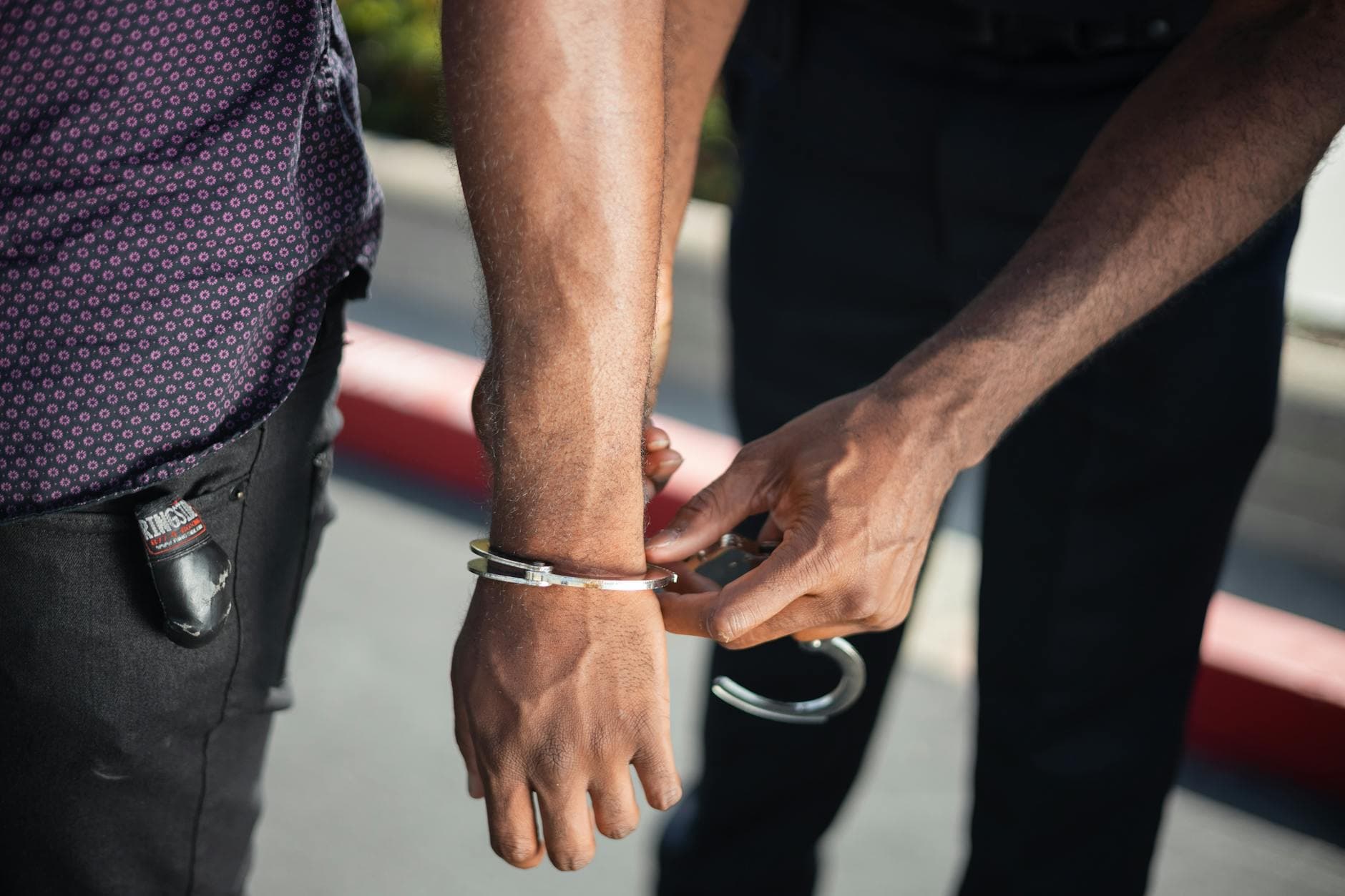
Allen was later apprehended at the scene and taken to a hospital for evaluation; he was not struck by gunfire. The Justice Department said he was arraigned on charges including attempting to assassinate the president, transporting a firearm in interstate commerce with intent to commit a felony and discharging a firearm during a crime of violence. Authorities also said a scheduled email described as a manifesto was sent to Allen’s family and a former employer shortly before the attack, and law enforcement sources said he had posted anti-Trump and anti-Christian rhetoric online.
The case has put fresh focus on the vulnerability of high-profile Washington events, even inside a venue with layered screening, armed protection and multiple federal agencies on site. Trump later called it “a dangerous profession,” while praising the officer’s bulletproof vest for doing its job.
This article was produced by Prism’s automated news system from verified source data, official records, and press releases, then run through automated quality and moderation checks before publishing. The system is built and supervised by the people who set the standards it runs under. Read our full AI policy.
Did this article answer your question?

