Swalwell, Gonzales to leave Congress amid sexual misconduct allegations
Swalwell and Gonzales are exiting as ethics probes close in, testing whether Congress is policing misconduct or merely managing damage.
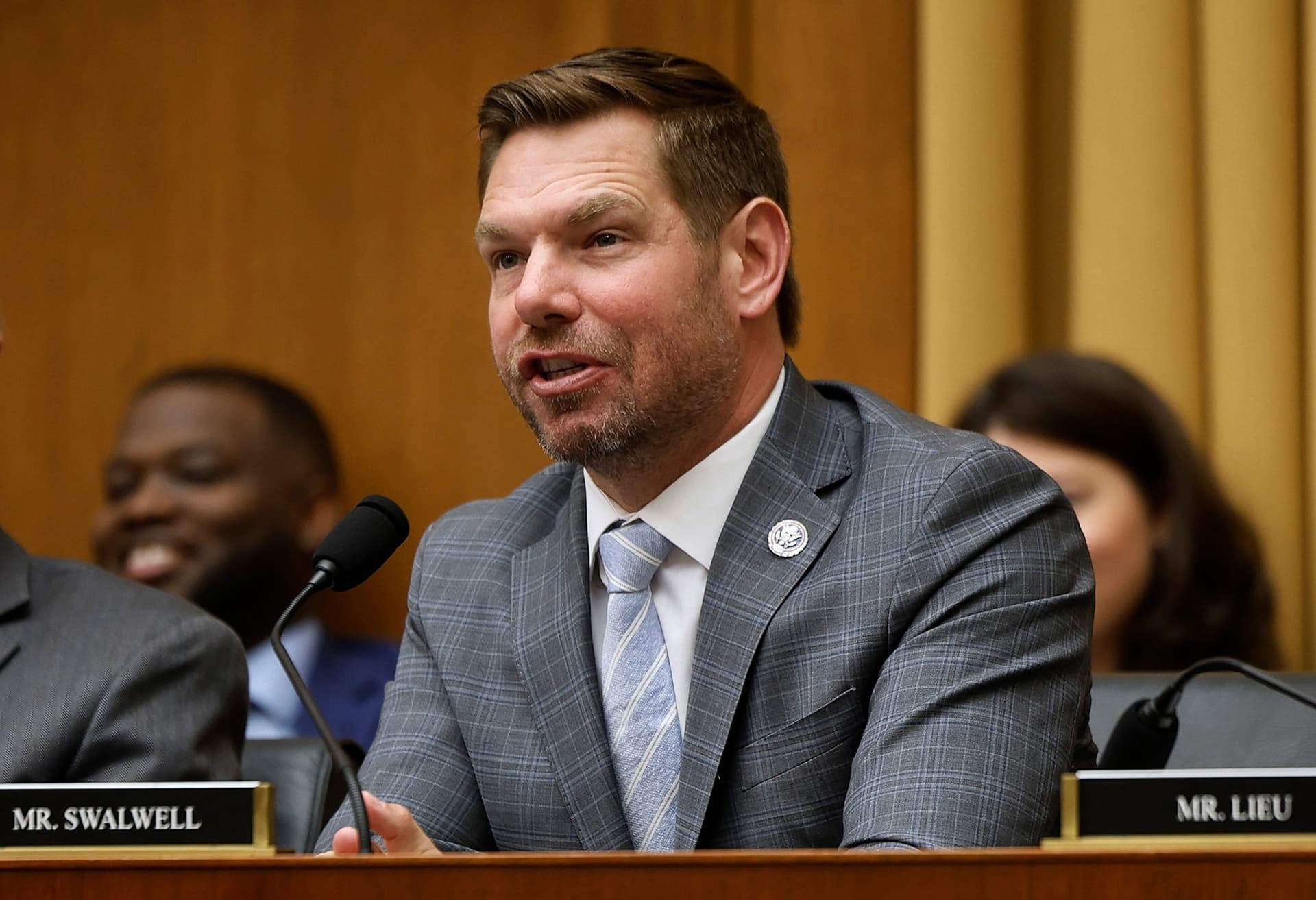
Two House Republicans and Democrats are being forced out by the same political gravity: allegations of sexual misconduct, ethics investigations, and rising pressure from both parties to act before the House does. Eric Swalwell said he plans to resign from Congress after the House Ethics Committee opened an investigation into whether he violated House conduct rules, while Tony Gonzales said he would retire when Congress returned Tuesday, ending a separate case tied to a former staffer who later died by suicide.
Swalwell had already withdrawn from the California governor’s race before announcing his planned resignation from Congress. A former staffer accused him of sexual assault and other misconduct, and the allegations had not been independently verified. The ethics panel said it would examine whether he engaged in sexual misconduct, including toward an employee under his supervision, a serious allegation under House rules that bar unwelcome sexual advances or sexual relationships with staff under a lawmaker’s control. Swalwell denied the claims and said he would fight them.
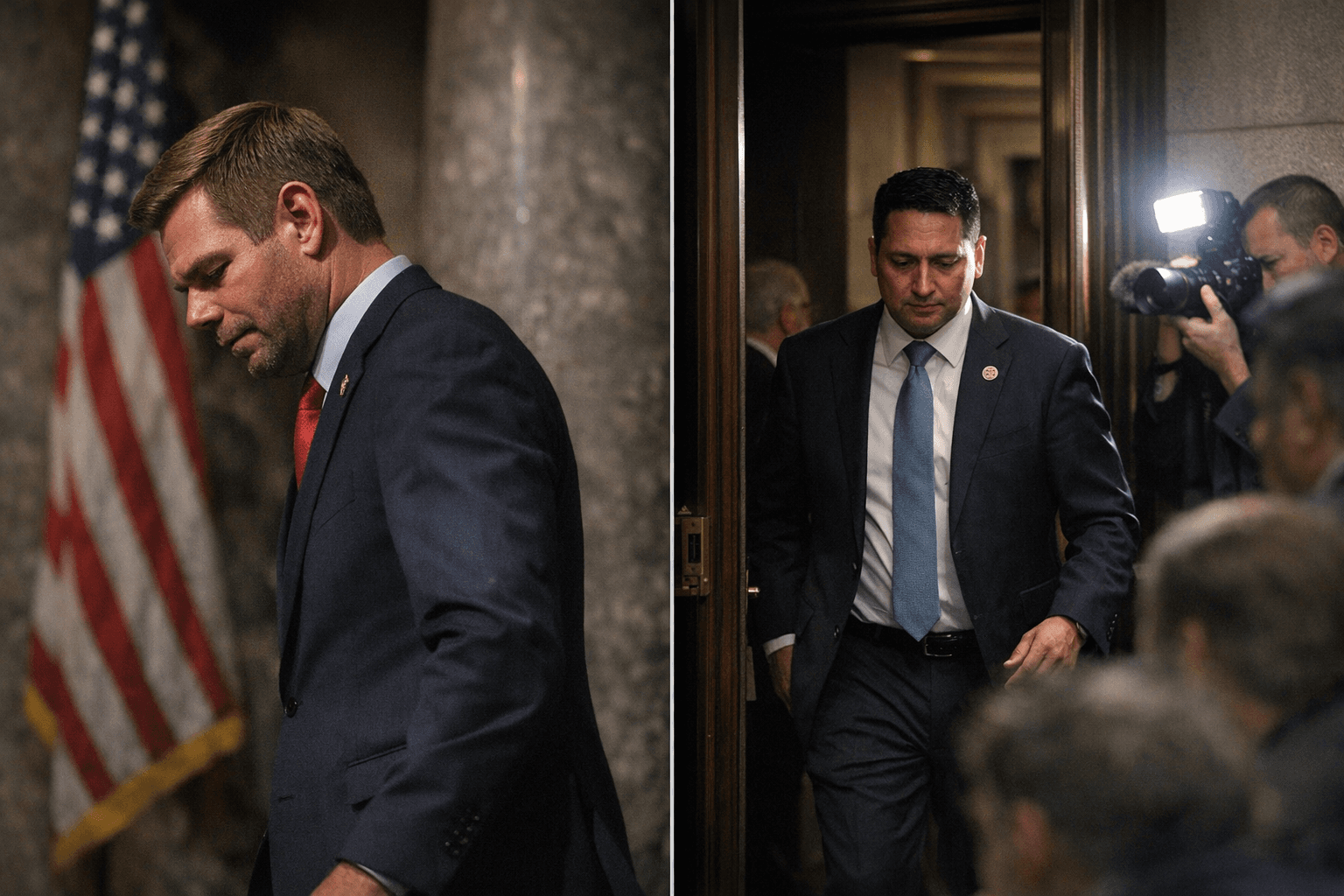
Gonzales’s exit followed a different but equally damaging sequence. He had already abandoned his reelection bid in March after admitting to an affair, and House GOP leadership had pushed him to end the campaign. The ethics inquiry focused on a romantic relationship with Regina Santos-Aviles, a former staffer who died by suicide in September 2025. Investigators later found “a substantial reason to believe” Gonzales had a sexual relationship with a subordinate, an apparent violation of House rules.
The departures highlight how congressional accountability often arrives in fragments rather than through a single decisive standard. The House Ethics Committee’s work on both cases is expected to end once the lawmakers leave office, because the panel’s jurisdiction covers current members, not former ones. That limits how far the institution can go once resignation becomes the fallback option.
Pressure on the chamber has built from several directions. Democratic Rep. Teresa Leger Fernández moved to expel Gonzales, while Republican Rep. Anna Paulina Luna moved against Swalwell. Separate efforts also emerged to force public release of House Ethics records involving sexual harassment and sexual assault allegations. Rep. Nancy Mace introduced H.Res. 1100 on March 4, 2026, to preserve and publicly release those records, but the effort was later blocked in the House.
If the chamber had voted to expel both men, the threshold would have required a two-thirds majority and would not have altered the partisan balance. That leaves the larger question unresolved: whether Congress is entering a new era of consequences for misconduct allegations, or whether resignations remain a familiar form of political damage control, timed to avoid the full reach of discipline and public accountability.
This article was produced by Prism’s automated news system from verified source data, official records, and press releases, then run through automated quality and moderation checks before publishing. The system is built and supervised by the people who set the standards it runs under. Read our full AI policy.
Did this article answer your question?

