Swiss Indictment Accuses UBS of Enabling Mozambique Tuna Bonds Laundering
Swiss federal prosecutors on December 1, 2025 charged Credit Suisse and its successor UBS with organisational failures that they say allowed suspected money laundering tied to Mozambique tuna fleet loans. The move revives scrutiny of a scandal that destabilised Mozambique nearly a decade ago and could carry significant legal and market consequences for UBS and Swiss banking oversight.
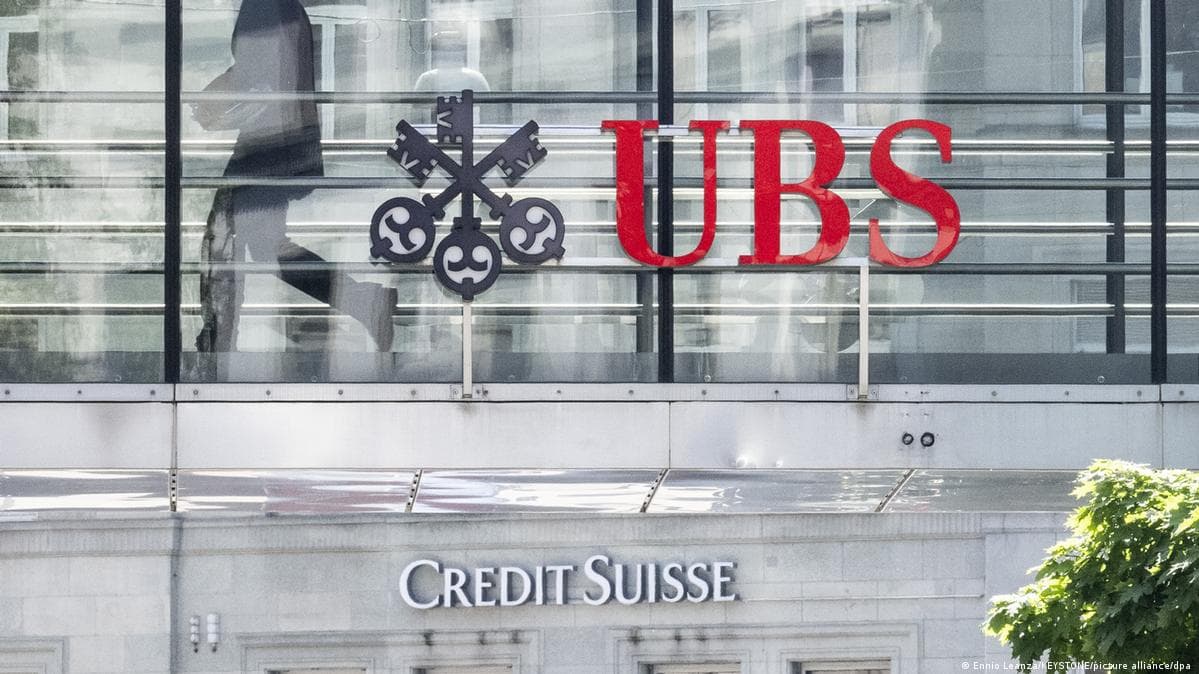
Swiss federal prosecutors brought criminal charges on December 1, 2025 alleging that Credit Suisse, and by legal succession its owner UBS, failed to maintain controls that permitted suspected money laundering linked to the so called tuna bonds. The Office of the Attorney General said transfers connected to loans used to finance Mozambique's tuna fleet included funds that prosecutors allege were obtained through bribery and routed through bank accounts in Switzerland.
The indictment targets organisational shortcomings rather than specific individual conduct, framing the case as a failure of compliance systems and governance that allowed illicit funds to move through the Swiss financial system. Under Swiss law the liabilities of Credit Suisse passed to UBS when it acquired the struggling bank in a state supported rescue in March 2023, making UBS the named party in the proceedings.
The prosecutions mark a new chapter in a scandal that dates back to loans made in and around 2013 and 2014. Those loans eventually sparked a sovereign debt crisis in Mozambique, prompted international investigations and led to significant fines and settlements by financial institutions and advisers involved in the deals. The revelations stalled donor support and left Mozambique confronting a deep fiscal shock that weighed on its growth for years.

UBS has rejected the allegations and pledged to defend itself, according to reporting. Legal experts say criminal charges centered on organisational failures can expose firms to large fines, restitution claims and court ordered remedial measures, and can also spur follow on civil litigation in multiple jurisdictions. For UBS the case raises the prospect of fresh legal costs and reputational damage at a time when the bank has been integrating the former Credit Suisse franchise and stabilising client relationships.
Market implications could be material even before any penalties are determined. Prosecutions of this type tend to increase regulatory scrutiny across the banking sector, prompting investors to reassess operational risk and potential capital impacts. Analysts will watch for any need by UBS to increase litigation reserves and for signals from Swiss and international regulators about broader compliance expectations.
The indictment also has diplomatic and development implications for Mozambique. Revived attention to the tuna bonds could affect ongoing debt negotiations with creditors and the standing of international partners. For Mozambique the episode remains a cautionary example of how opaque deals can translate into macroeconomic distress.

Long term, the case underscores a sustained global trend toward stricter enforcement of anti money laundering rules and greater accountability for institutional controls. Since the 2010s regulators have escalated demands on banks to track beneficial ownership and to detect suspicious flows. Prosecutors in Switzerland now appear to be applying that framework to historic transactions, a development that could prompt banks worldwide to reexamine past deals and to accelerate upgrades to compliance systems.
Swiss courts and prosecutors will determine whether the organisational failures alleged are criminally culpable and what remedies will follow. The proceedings are likely to unfold over months and could shape both UBS's financial outlook and the broader regulatory environment for international banking.
This article was produced by Prism’s automated news system from verified source data, official records, and press releases, then run through automated quality and moderation checks before publishing. The system is built and supervised by the people who set the standards it runs under. Read our full AI policy.
Did this article answer your question?

