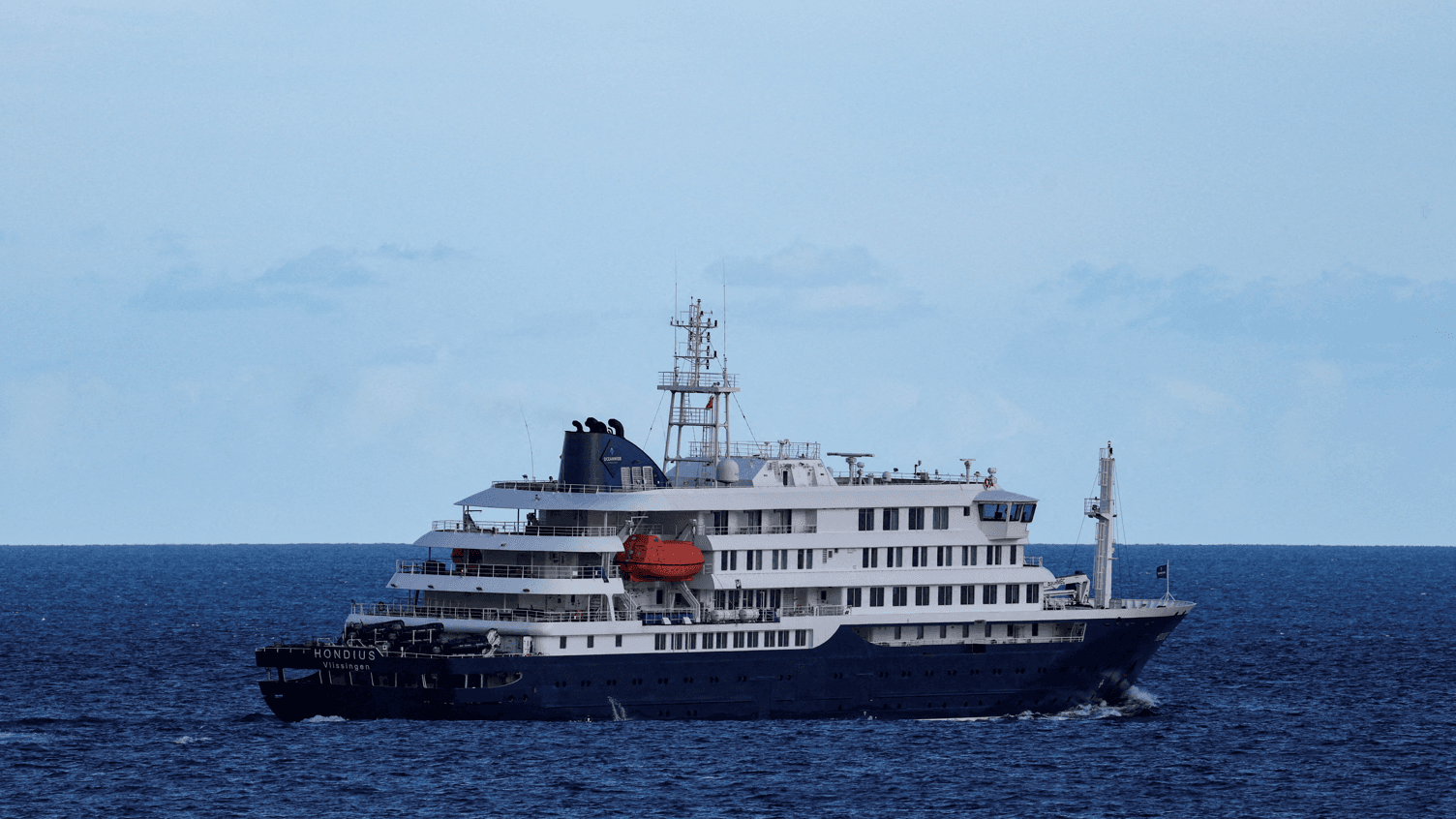
Swiss passenger case adds to hantavirus outbreak on cruise ship
A Swiss passenger’s illness widened the hantavirus inquiry beyond the ship, showing how quickly a cruise outbreak became a multi-country public health case.

The hantavirus cluster linked to the Dutch-flagged MV Hondius has moved far beyond the ship’s railings, after Swiss authorities confirmed that a passenger who had already left the voyage tested positive and was treated in Zurich. The case underscored how quickly a cruise ship illness can become an international tracing problem once passengers disperse across borders.
The World Health Organization said the outbreak was first reported to it on May 2 and that, as of May 4, seven cases had been identified in connection with the voyage: two laboratory-confirmed infections and five suspected cases. The event had caused three deaths, left one patient critically ill and produced three mild cases. On May 6, the agency said three suspected patients had been evacuated from the ship and were being transferred to the Netherlands for medical care.
The MV Hondius carried 147 people in total, including 88 passengers and 59 crew members from 23 nationalities. It departed Ushuaia, Argentina, on April 1 and later crossed a route that included Antarctica, South Georgia, Nightingale Island, Tristan da Cunha, Saint Helena and Ascension Island. Illness onset among the reported cases was recorded between April 6 and April 28, a span that suggests exposure and transmission may have unfolded over several legs of the voyage.
Health officials identified the virus as the Andes hantavirus strain, a rare variant known to be capable of person-to-person spread. That makes the cruise setting especially sensitive, because the usual assumptions about hantavirus exposure do not fully apply when infected passengers and crew are moving through shared cabins, dining rooms and ports across several jurisdictions. The WHO said the global public-health risk remained low, but investigations were continuing through case isolation, medical evacuation and laboratory testing.
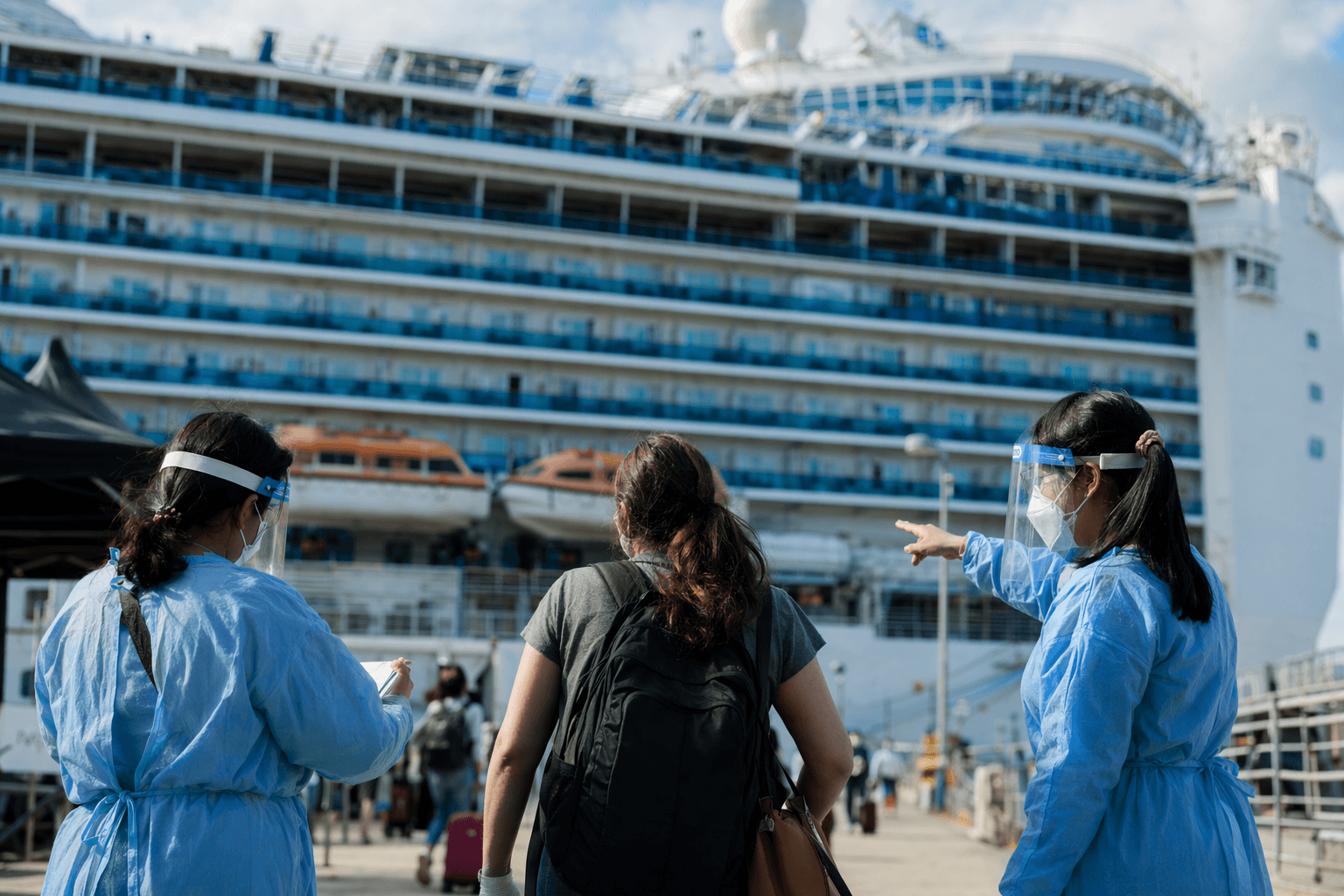
The Swiss case also highlighted the limits of shipboard monitoring once travelers have gone home. WHO said the passenger responded to an email from the ship’s operator about the health event and then presented himself to a hospital in Zurich. The ship has been moored off Cabo Verde while authorities coordinate next steps, including a planned docking in Tenerife for inspection and passenger evacuation.
Spanish officials said the vessel would head to Granadilla on Tenerife for a full investigation, though Canary Islands leader Fernando Clavijo publicly objected to the docking plan, saying decisions had been taken without enough information. Spanish Health Minister Monica García Gómez later said passengers without symptoms would be evaluated and allowed to return home, while symptomatic Spanish citizens or others would be quarantined in Madrid. The case has now become as much about surveillance and notification as it is about infection itself.
This article was produced by Prism’s automated news system from verified source data, official records, and press releases, then run through automated quality and moderation checks before publishing. The system is built and supervised by the people who set the standards it runs under. Read our full AI policy.
Did this article answer your question?