Swiss village growth fuels national vote on immigration cap
Knonau’s doubled population has turned bus routes and housing strain into fuel for a national migration cap. The June 14 vote could test Switzerland’s EU free-movement ties.
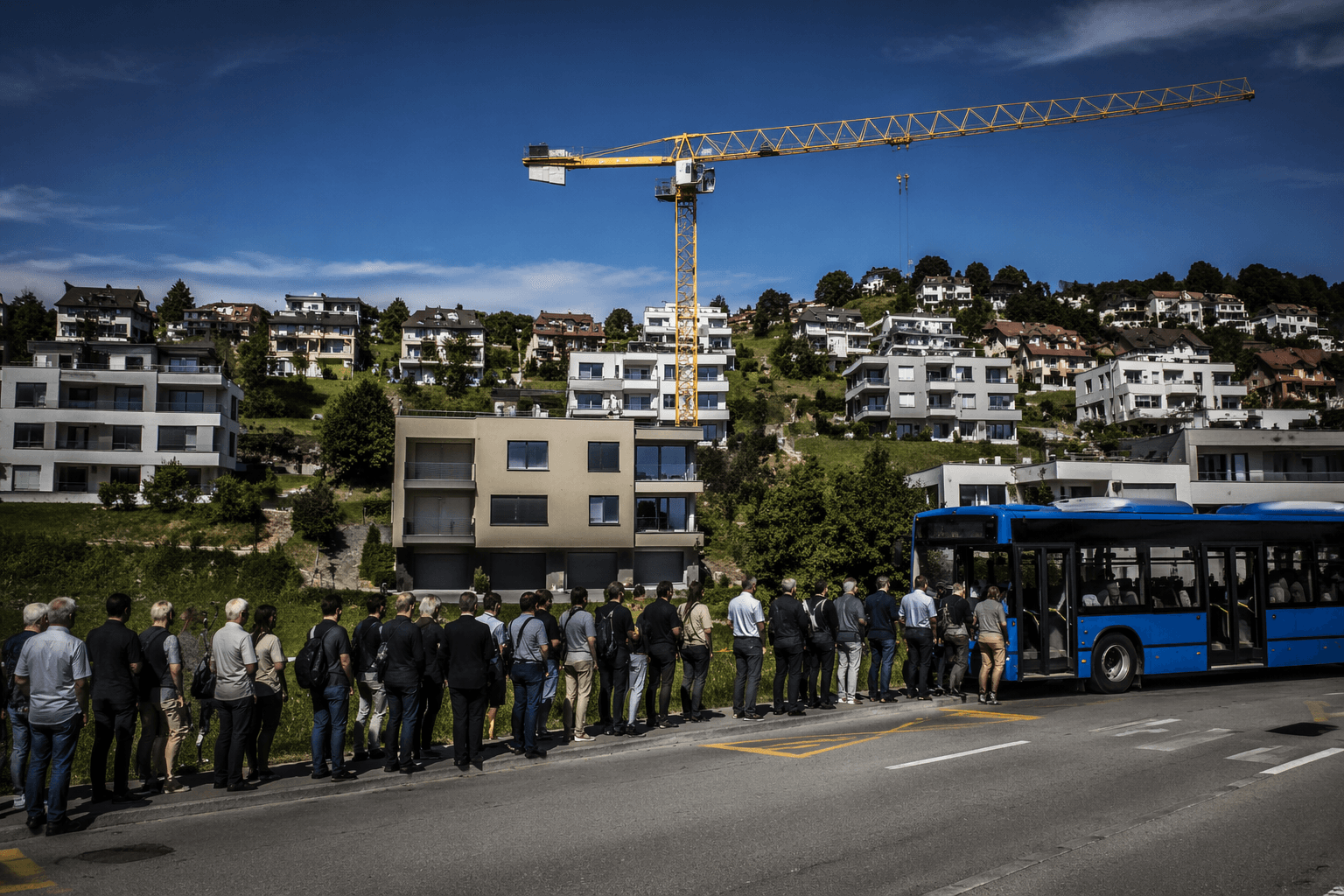
In Knonau, a small village in the canton of Zurich just beyond the border with Zug, the strain of rapid growth has become impossible to miss. The population has more than doubled since 1990, driven by the economic boom in Zug, and local transport links have been strengthened, including an extended Cham-Knonau bus connection that helps commuters reach Zurich by switching to the S5 train.
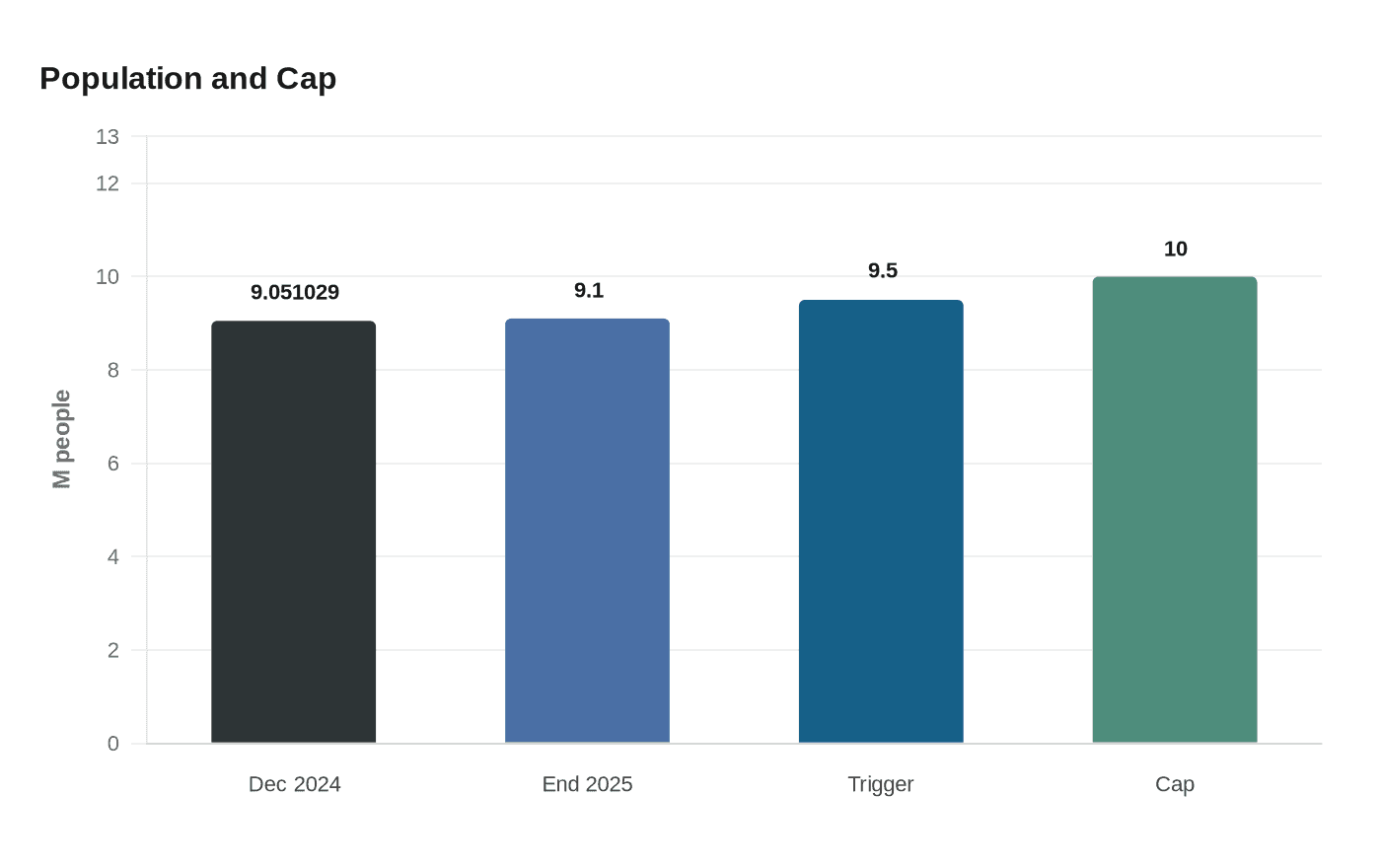
What looks like a local planning problem has become the emotional center of Switzerland’s June 14 referendum on whether the country should cap its permanent resident population at 10 million before 2050. The initiative, backed by the right-wing Swiss People’s Party, or SVP, is formally called the “No to a Switzerland with 10 million!” initiative, and it would require the federal government and parliament to act once the permanent resident population passes 9.5 million, with measures aimed especially at asylum and family reunification. If the total reaches 10 million, the proposal could push Switzerland toward ending its free-movement agreement with the European Union.
The numbers show how close the country already is to that threshold. The Swiss Federal Statistical Office put the population at 9,051,029 on Dec. 31, 2024, a rise of 1.0% from the previous year. The State Secretariat for Migration said about 9.1 million people were living in Switzerland at the end of 2025, meaning the cap could be reached well before 2050 if current trends continue.
That is why the housing squeeze in places like Knonau matters politically. Some residents say the influx has overwhelmed roads, housing and public services, and supporters of the initiative see the vote as a way to slow overcrowding and preserve quality of life. One former sales worker in the village who backs the measure said 10 million would be a disaster and that Switzerland simply has too many people.

Businesses and officials see the issue very differently. They warn that the proposal could damage trade with the EU, Switzerland’s most important economic partner, and deepen labor shortages in a country that relies heavily on workers from abroad. The Federal Council’s approval of a new Swiss-EU package in June 2025 has only sharpened the stakes, because any break with free movement would reverberate far beyond this village of commuters.
Knonau has become a test case for a wider political question now facing Switzerland: whether rising rents, crowded roads and stretched infrastructure are being treated as the consequences of planning failures, or recast as a demographic crisis. The answer could determine not just the fate of one referendum, but the shape of Switzerland’s relationship with Europe.
This article was produced by Prism’s automated news system from verified source data, official records, and press releases, then run through automated quality and moderation checks before publishing. The system is built and supervised by the people who set the standards it runs under. Read our full AI policy.
Did this article answer your question?

