Syngenta plans Hong Kong IPO filing in second quarter, could raise $10 billion
Syngenta Group has hired banks and plans a Q2 filing in Hong Kong, a listing that could raise up to $10 billion and reshape agribusiness capital flows.
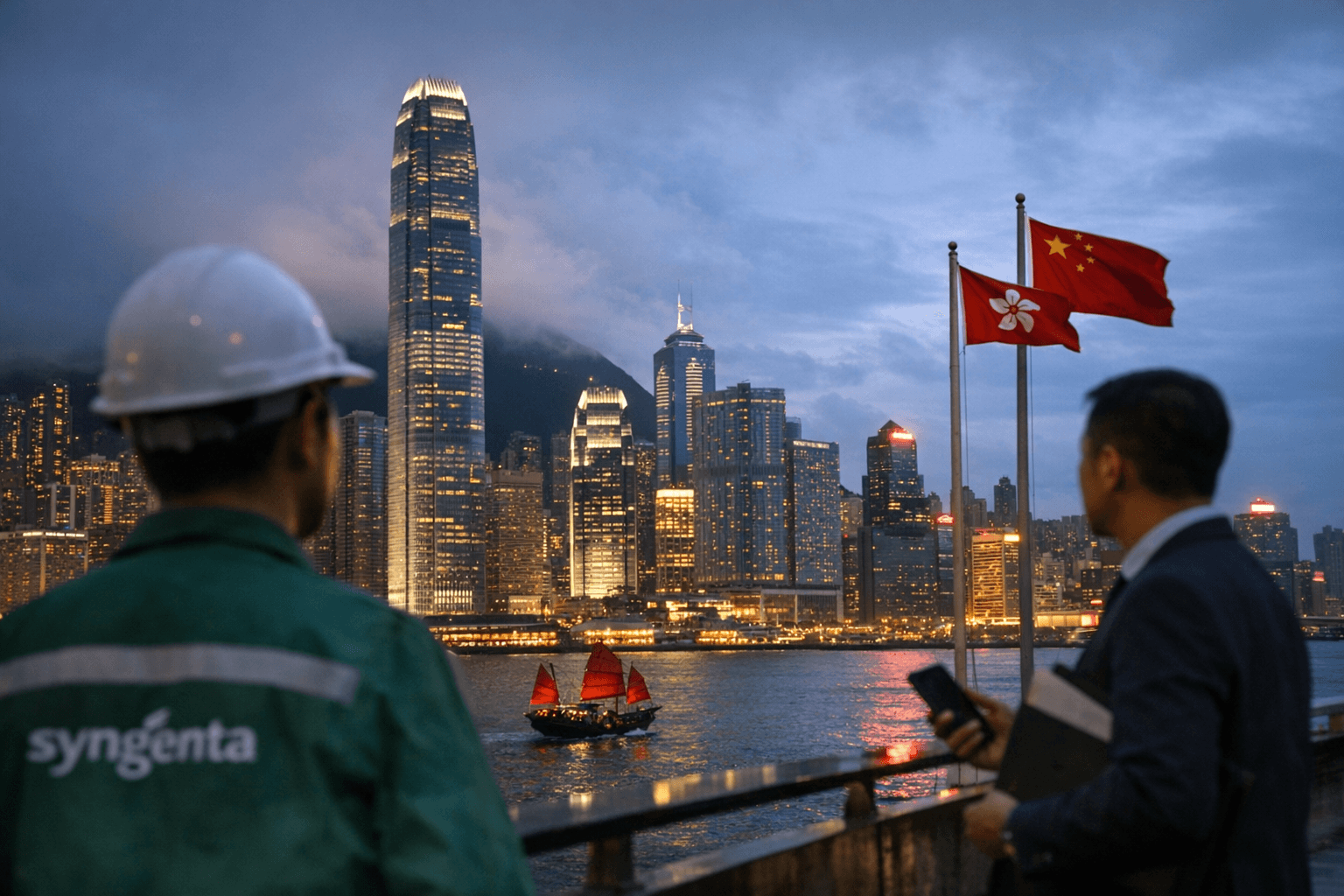
Syngenta Group has hired banks and plans to file in the second quarter to list on the Hong Kong Stock Exchange in a deal that could raise as much as $10 billion, people briefed on the matter said. The Swiss‑based seeds and agrochemicals company is controlled by China’s state-owned Sinochem and the proposed transaction would be one of the largest equity raises in Hong Kong in recent years.
The size and venue of the offering reflect a convergence of corporate strategy and market positioning. A potential $10 billion raise would supply sizable new capital to a company operating at the center of global food‑system supply chains, while bolstering Hong Kong’s pipeline of large-scale listings after quieter years for the market. The plan to file in Q2 indicates bankers expect investor demand and market windows to be sufficient in the near term to support a blockbuster offering.
Syngenta’s choice of Hong Kong is symbolic and practical. For Sinochem, listing in Hong Kong offers access to deep pools of Asian institutional liquidity and retail investors familiar with mainland-linked issuers. For Hong Kong, landing a multibillion-dollar agribusiness IPO would diversify offerings that in recent cycles have been dominated by technology and finance names. The filing comes as global investors increasingly seek exposure to so-called essential sectors such as food and agriculture amid long-term concerns about supply‑chain resilience and climate impacts on yields.
Market reception will hinge on valuation and deal structure. The report that banks have been engaged suggests underwriters are building investor outreach and sizing sensitivity runs. A $10 billion primary raise, or a large secondary sale by Sinochem, would influence how the company is capitalized and who holds strategic stakes, factors relevant to export controls, technology transfer debates, and competition policy in countries where Syngenta operates. Precise use of proceeds, stake sale percentages and timing have not been disclosed.
Macroeconomic conditions will matter. Investor appetite for large initial public offerings is sensitive to interest rates, equity volatility and geopolitical risk; any deterioration in those variables between filing and pricing could compress demand or force a smaller offer. Conversely, improving risk sentiment and a rotation toward defensive sectors could make agribusiness names more attractive relative to cyclical equities.
Longer term, a successful Syngenta listing would signal renewed momentum in cross-border listings by Chinese-linked industrial groups and reinforce Hong Kong’s role as a primary venue for state‑controlled or strategically important assets. It would also inject fresh public-market capital into a sector undergoing consolidation and heavy investment in R&D, digital farming tools and climate adaptation. For investors, the deal would offer one of the clearest public plays on global seed and crop‑protection markets; for policymakers, it raises questions about ownership, technology governance and the interplay between national industrial objectives and global capital markets.
The filing timetable and final deal size remain subject to market conditions and regulatory approvals, but the prospect of a multibillion-dollar Syngenta IPO in Hong Kong is already reshaping conversations among bankers, asset managers and policy officials about the financing of the global food system.
This article was produced by Prism’s automated news system from verified source data, official records, and press releases, then run through automated quality and moderation checks before publishing. The system is built and supervised by the people who set the standards it runs under. Read our full AI policy.
Did this article answer your question?

