Taco Bell guide outlines crew legal rights to discuss pay, safety, benefits
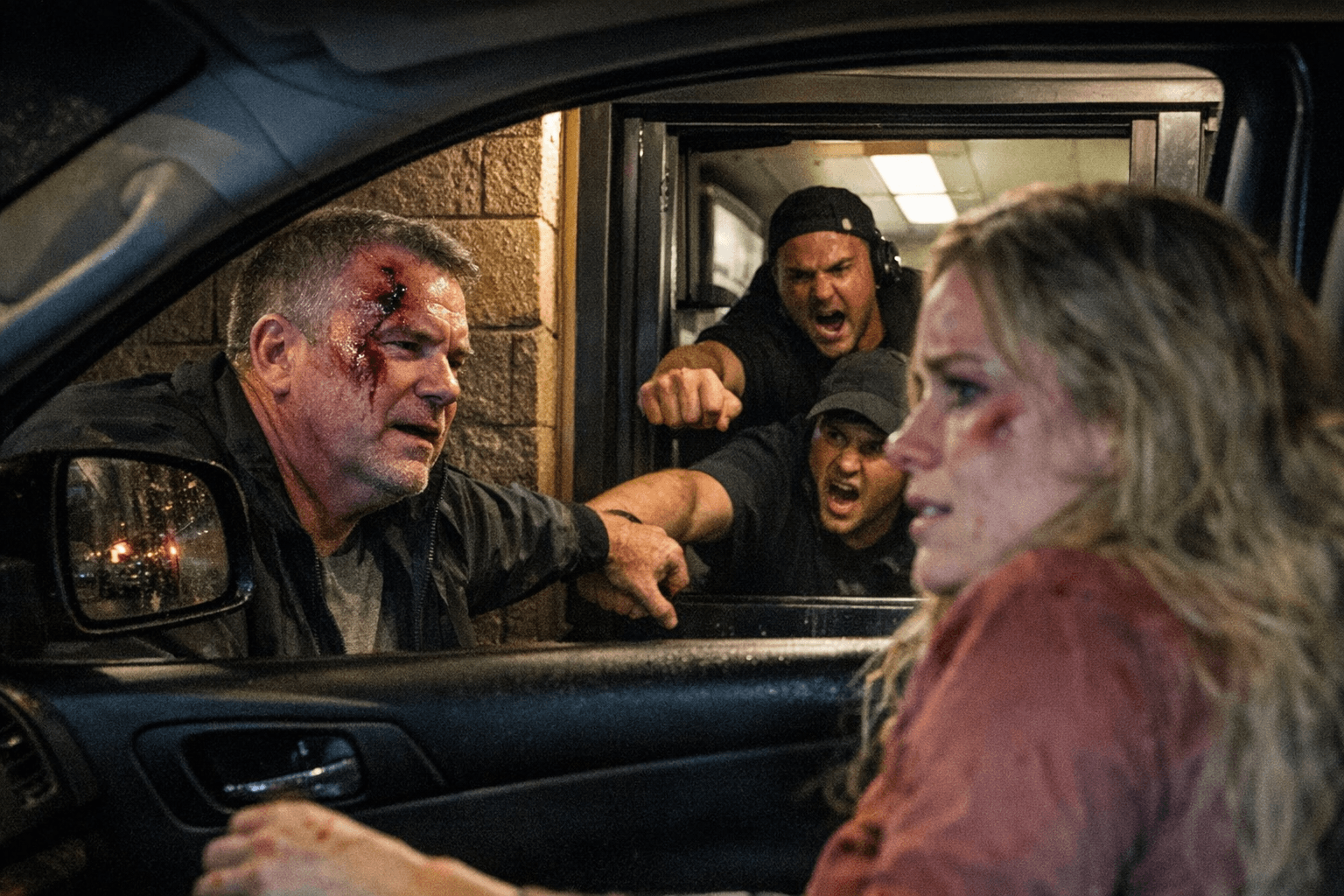
El Dorado Hills Taco Bell workers walked out after alleged racist abuse, a reminder that federal laws protect crew who discuss pay, safety, and benefits with each other.
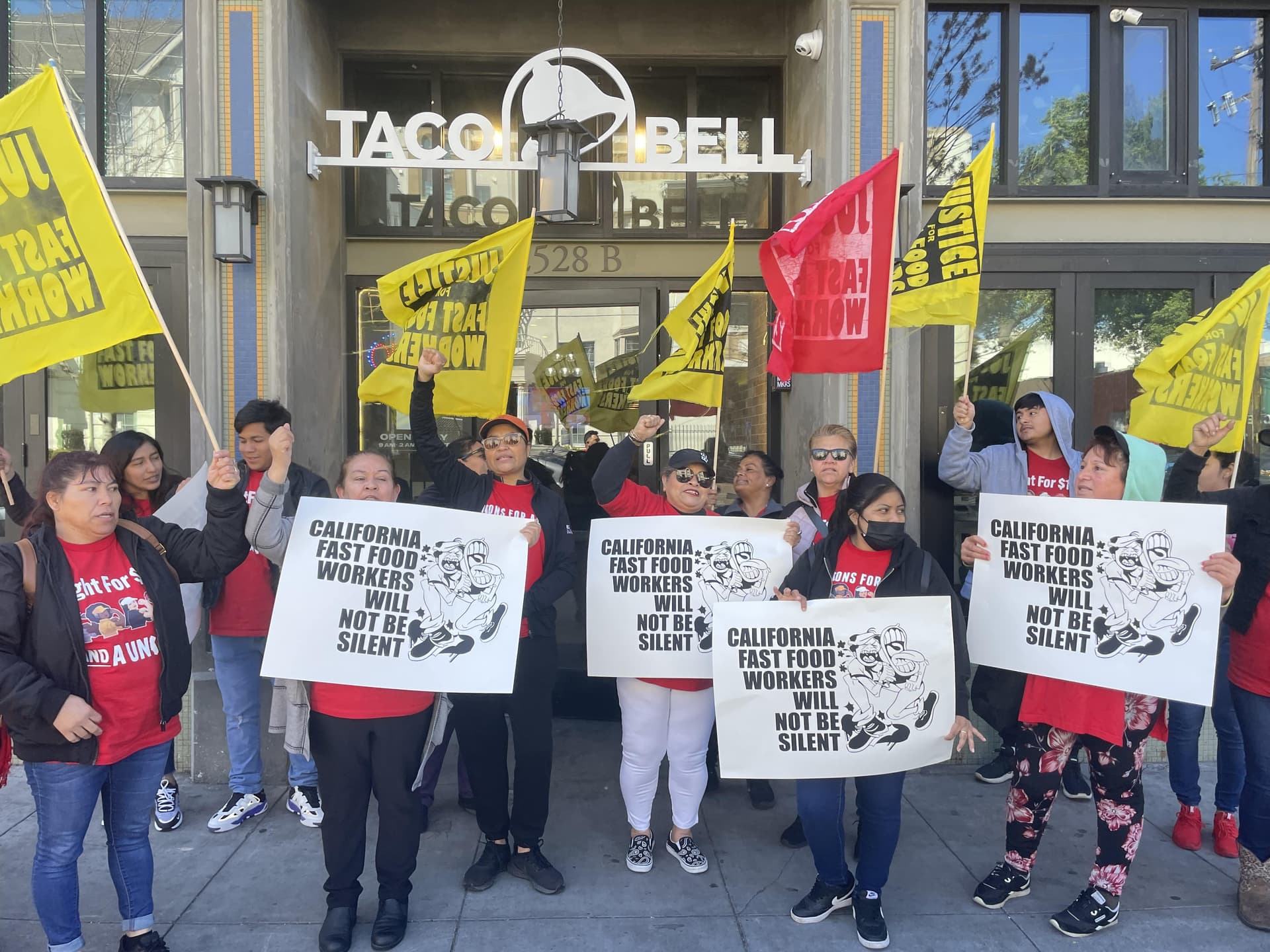
El Dorado Hills Taco Bell workers walked out after alleged racist abuse, and that kind of collective action matters because federal agencies exist to protect the right to talk about pay, safety, and benefits. If you are a Taco Bell crew member, shift lead, or store manager considering organizing or simply comparing notes with coworkers, this guide lays out what the law protects, what counts as unlawful employer conduct, and practical next steps to raise issues without losing legal protections.
What federal protections cover day-to-day conversations The core protection comes from federal labor law that shields "protected concerted activity," meaning employees acting together to improve wages or working conditions. That protection applies whether the discussion happens in person on the line, in a group text, or on social media when the topic is group concerns about pay or safety. The protection is not limited to formal union organizing: crew who complain together about understaffing, unsafe equipment, or denied benefits are engaging in activity that the National Labor Relations Board enforces.
Who is covered and who is not Crew members and most shift leads are generally covered under the National Labor Relations Act, but the critical dividing line is supervisory authority. Store managers and other true supervisors who direct hiring, firing, discipline, or major scheduling decisions are not covered in the same way. That matters because an unprotected employee’s communications can be lawfully restricted by the employer, while protected concerted activity cannot be punished. In franchise operations like Taco Bell, remember employment relationships are usually with the franchisee; however, federal protections still apply to the employees of that franchised restaurant.
- Talking about wages, tips, pay practices, or commissions with coworkers
- Coordinating with colleagues about safety concerns, shift coverage, or staffing
- Collecting signatures or interest in collective actions and discussing benefits like health coverage
- Public posts or group messages that address workplace issues on behalf of more than one employee
What counts as protected discussion
Protected activity typically includes:
Activity can lose protection if it involves illegal conduct, threats of violence, or if the statements are purely personal gripes not linked to group concerns. Avoid illegal acts; the law protects discussion and concerted, nonviolent action, not theft or sabotage.
How employers can lawfully respond Employers can set neutral, uniformly enforced rules about profanity or profanity-free customer-facing behavior, and they may limit sharing of proprietary business information or trade secrets. However, broad rules that ban discussing wages or organizing with coworkers are unlawful when applied to non-supervisory employees. Employers may also discipline employees for genuinely insubordinate behavior or for making credible threats; the legal test focuses on whether the discipline targets protected concerted activity or something else.
- Document everything: dates, times, exact wording, witnesses, screenshots of texts or posts, and copies of schedules or incident reports.
- File a charge with the NLRB if you believe the action was retaliation for protected concerted activity; the NLRB enforces unfair labor practice claims.
- Use OSHA and state labor agencies for safety or wage-and-hour complaints: OSHA handles unsafe workplace conditions and certain whistleblower claims, while state labor departments handle many wage disputes and unpaid-break claims.
- Contact the EEOC or your state civil rights agency if the issue involves discrimination or harassment based on race, sex, religion, or disability.
What to do if you face retaliation
If your employer disciplines or fires you after you and coworkers raised pay or safety concerns, that can be an unfair labor practice. You have options:
A practical sequence for raising a workplace concern safely If you want to escalate an issue without losing legal protections, follow these sequential steps: 1. Raise the concern among coworkers and document shared complaints, so your activity is demonstrably concerted. 2. Attempt internal reporting to your manager or franchisee, putting the complaint in writing and keeping a copy. 3. If internal channels fail or you face retaliation, gather documentation and reach out to the appropriate external agency—NLRB for retaliation tied to organizing or group complaints, OSHA for safety hazards and certain whistleblower protections, the EEOC for discrimination. 4. File a charge or complaint with the agency and preserve evidence while the agency investigates.

How union organizing and elections work in practice Unionization is one path crew use to secure bargaining power. The NLRB process usually starts when workers indicate support through signed authorization cards or a petition. If a majority of employees sign cards or the NLRB finds enough interest, an election may be scheduled. Even outside formal union campaigns, the right to act together—discussing pay and safety with coworkers—is protected.
- Keep records: Photos, schedules, pay stubs, and screenshots build a factual record if you need to file a complaint.
- Build clear, documented group interest before escalating: unambiguous concerted activity strengthens legal protection.
- Use neutral language when filing internal complaints: dates, facts, and objective descriptions help later investigations.
- Be careful with manager-level tasks: if you have supervisory authority, your activities may be judged differently under the law.
Tips for practical organizing at Taco Bell
How agencies respond and what to expect Agencies have different roles. The NLRB investigates unfair labor practice charges and can seek remedies like reinstatement or back pay if it finds unlawful retaliation. OSHA enforces workplace safety and investigates whistleblower claims tied to safety complaints. The EEOC investigates discrimination and harassment. These investigations can result in settlements, orders to reinstate employees, or other remedies, but timelines and outcomes vary widely depending on facts and the agency’s docket.
Common pitfalls that can cost legal protection Avoid turning concerted complaints into actions that could be framed as illegal or violent. Do not tamper with or destroy company property, and be cautious about collective slowdowns or strikes that might violate other laws. Also, employees who qualify as supervisors under the law need to know they may not receive the same protections for organizing.
A final practical note for shift leads and managers If you are a shift lead or store manager balancing operation needs and crew concerns, document your decisions and keep communications factual. Be transparent with crew about what you can and cannot change and use documented escalation pathways for issues outside your authority. Your role often places you between crew and leadership; handling that position with clear records and neutral language protects you and your crew.
Conclusion The El Dorado Hills walkout is a sharp reminder that talking about pay, safety, and benefits is not only common sense among crew but also protected under federal labor law when done together. Knowing the difference between protected concerted activity and unprotected actions, documenting concerns, and using the right agency channels—NLRB, OSHA, EEOC, or state labor departments—are the concrete steps Taco Bell crew, shift leads, and store managers should take when they want to hold workplaces accountable and protect themselves legally.
Know something we missed? Have a correction or additional information?
Submit a Tip